
- How much drying will I get with aeration?
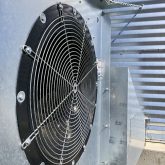
Some drying can occur in aeration systems, but generally, grain going into aeration bins should be within one per cent of being dry enough for long-term storage.
- Should I turn my aeration off at night or during rainy days when the air is cool and humid?
Since aeration is a tool for managing grain temperatures, there is no need to turn off the aeration system at night or on cool days, even if it is humid. The benefit of cool air lowering the temperature of the grain greatly overshadows any negative effects of the small amount of moisture that is added to the bin.
Read Also
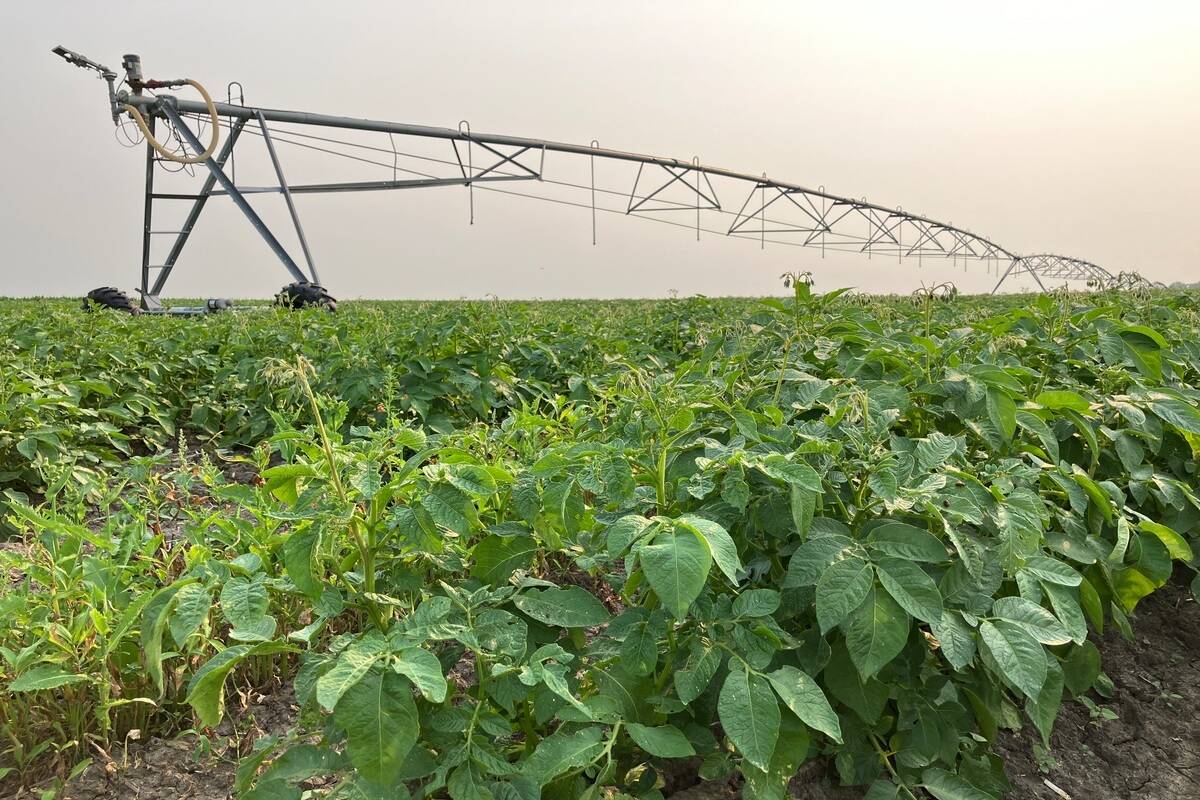
Alberta potato growers face rising costs, trade uncertainty and global competition
Alberta potato growers are navigating surging input costs, new global competitors, and an uncertain U.S. trade relationship.
- How much moisture will grasshoppers add to grain in storage?
Grasshoppers may look and smell like a problem, but are unlikely to add enough moisture to cause grain to go out of condition. The amount of moisture that grasshoppers add to grain can be estimated based on their average size and assuming that they are about 70 per cent moisture. Their size and weight varies with species and gender, but for ones normally found in Alberta, it takes about 300 to 800 grasshoppers per bushel of barley or canola to raise the moisture content of this grain by one per cent (400 to 1,000 for wheat and peas).
- What is considered dry grain?
Maximum moisture content levels for straight grade seed (percentage wet weight basis) are:
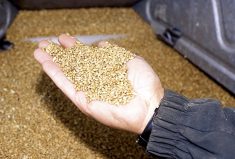
16 for fabas and peas; 14.8 for feed barley; 14.5 for wheat; 14 for chickpeas, lentils, oats, triticale, and rye; 13.5 for malt; and 10 for canola, mustard seed, and flax.
- How long can I store my grain?
Storage time varies depending not only on moisture, but also the temperature of the grain. If storing canola longer than five months the moisture should be no higher than eight per cent with uniform temperatures of under 15 C. For prolonged storage of peas, moisture should be less than 14 per cent and the crop cooled to less than 15 C. For long-term storage of cereals, moisture should be at 14 per cent and the temperature should be 20 C or less.
For more faqs, go to www.agriculture.alberta.ca and search for ‘grain storage questions.’