
af contributor |grande prairie
Near-record snowfalls on parched Peace soils in January and March were more than welcome after three years of drought, and producers are looking forward to a good start from moisture from the spring melt.
Our soils should be able to absorb the majority of the melt,” said Alberta Agriculture market specialist David Wong. “May is still a ways off, but we’re hoping warm weather and drying winds will help get the fields ready for seeding.”
Read Also
Lethbridge research farm lease renewed for 20 years
Lethbridge Polytechnic and the Government of Alberta have signed a 20-year renewal of a land lease agreement for the institiution’s research farm.
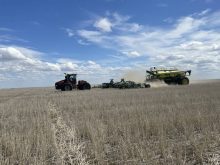
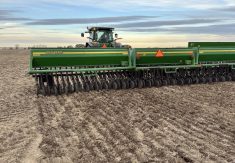
Historically, producers don’t start seeding here until the first week of May. Last year was an anomaly due to very dry, early conditions, Wong said. “Some pea crops were being seeded April 11 last year,” he said. “That’s exceptional.”
It’s a stark difference this year due to the huge amounts of snow still on the ground.
“We’re just hoping it won’t delay seeding,” Wong said. “And with very dry soils, once it warms up it shouldn’t sit there and should be absorbed quite easily.”
The problem, says Wong, is many producers in northwestern Alberta are growing longer-season canola and wheat so early planting is crucial. But even with the high amounts of snowfall in the Peace district over the last three months, Wong said soils still won’t be saturated. “We need to replenish our subsoils and this is a good way to do it,” he said.
If temperatures spike quickly, Wong said the majority of moisture will find its way into the ground. “There are huge cracks in a lot of fields,” he said. “With the first big melt thanks to above-average temperatures in early February, we lost three or four feet of snow in a few days and there was no water running anywhere. I’ve never seen snow drop that quickly up here,” said Wong, who’s been living and working in the Peace for the past 32 years.
All told, Wong said Peace producers are in excellent shape with spring moisture conditions, but will still rely on rains to alleviate the subsurface dryness. “If we can get the snow dried out and land ready to seed, we should be off to a good start,” he said.