
Every single agricultural producer in Alberta has their own type of invasive species to contend with.
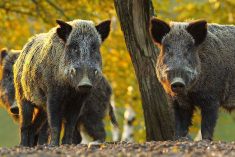
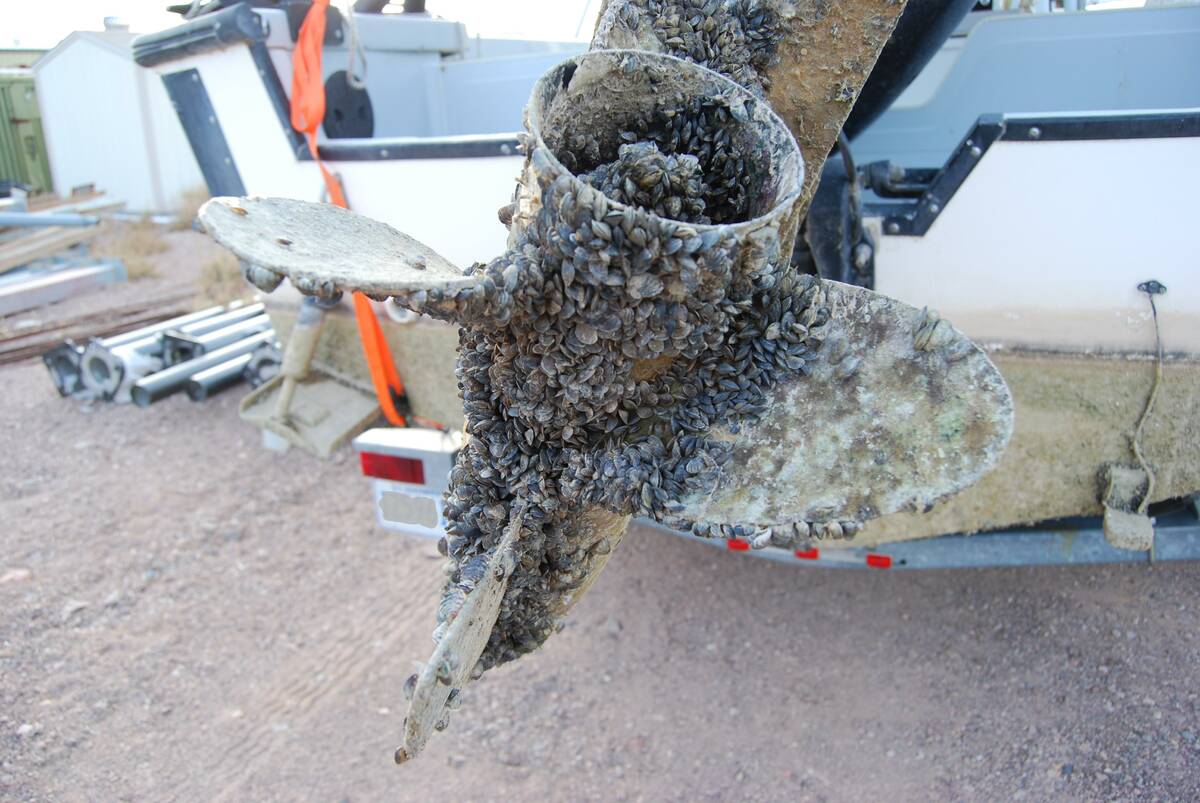
Whether it be wild boars for crops or the spectre of zebra mussels being the bane of irrigation districts, the Alberta Invasive Species Council are reminding farmers they are here to help.
Established in 2006 as a non-profit organization, AISC focuses on prevention, eradication, containment and mitigation strategies.
Read Also
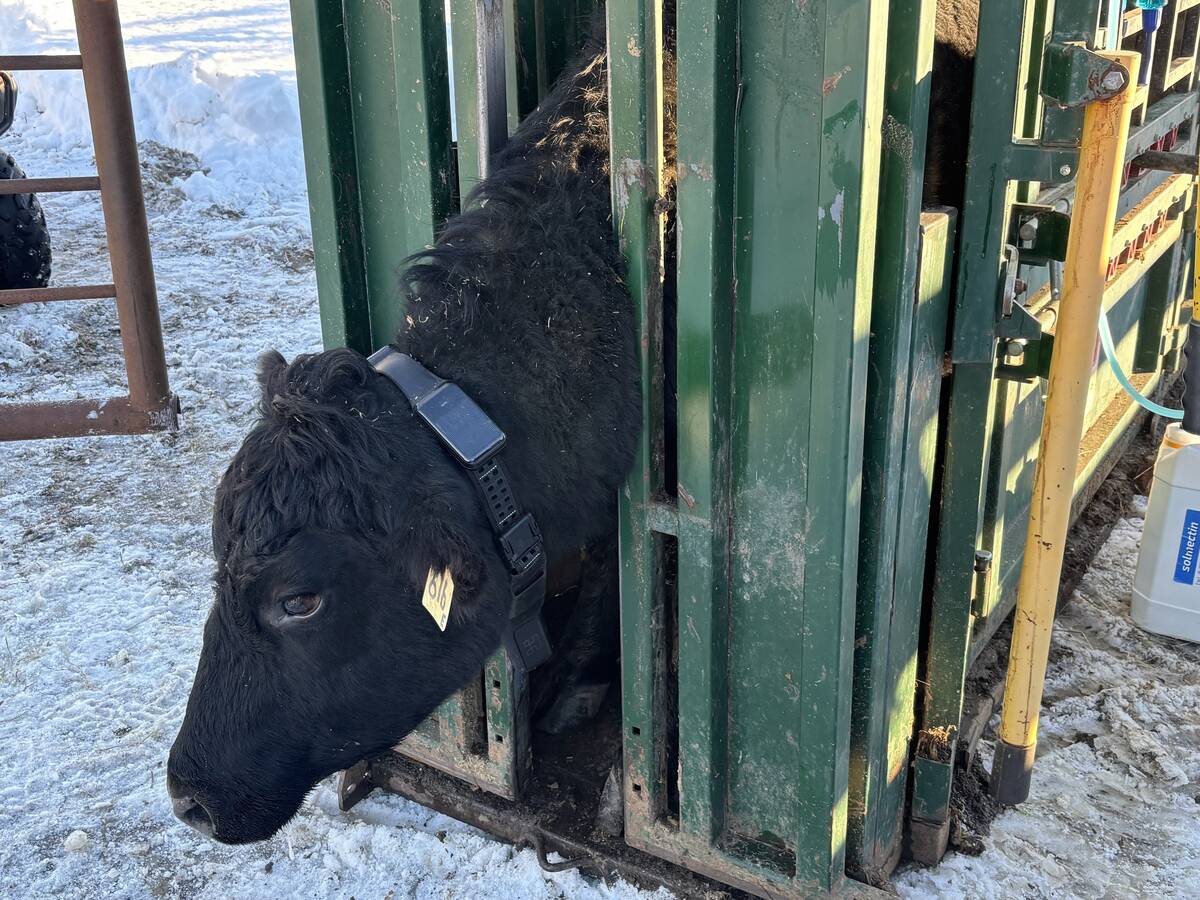
First Canadian trial of Halter virtual fencing system underway near Westlock
The New Zealand-designed system uses GPS collars and is now eligible for OFCAF funding in Canada.
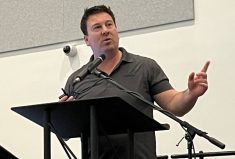
“The bottom line of a lot of this is we’re here to save people money. That’s a big part of invasive species. There’s a lot going on in Alberta. We have a lot of challenges,” said George Bloom, an invasive species biologist from the AISC, speaking at the 2026 Irrigated Crop Production Update in Lethbridge.
WHY IT MATTERS: Early detection and prevention of invasive species nets the highest rate of return for agricultural producers, rather than mitigation and containment.
Invasive species have an impact of over $2 billion on Alberta’s economy, affecting 1.3 per cent of GDP. They are the second biggest threat to global diversity and 60 per cent of global species extinctions have been caused solely, or in part due to invasive species. There are 44 species at risk in Canada, which listed invasive plants as factors in their at-risk status.
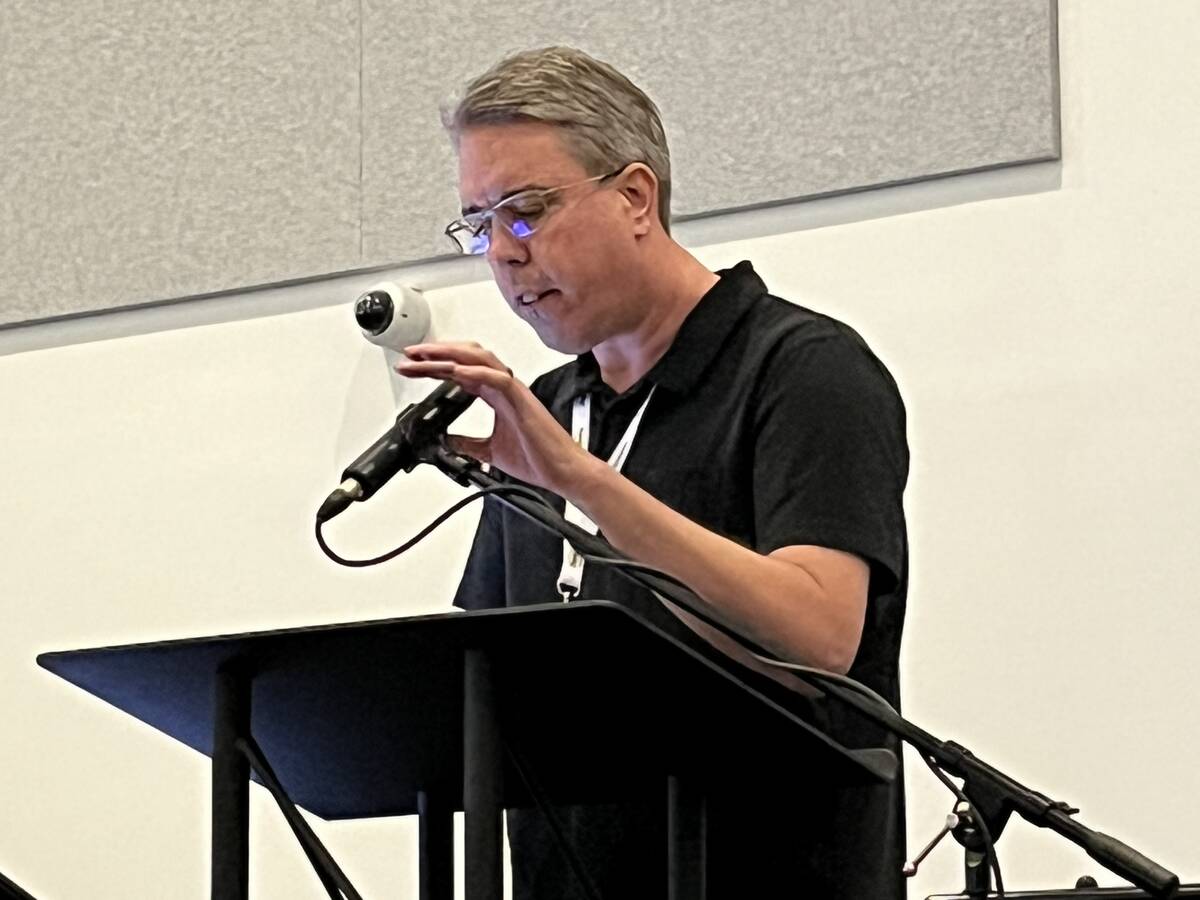
“We have some really interesting science to back up the effects of these invaders. A lot of the time we’re focused on mitigation and containment strategies, but the best dollar-for-dollar effect we have right now is me standing up here and saying, ‘Hey, if you see something weird, look it up,’” said Bloom.
Producers can use the Early Detection and Distribution Mapping System (EDDMapS), which is free to download on Android and iPhone. Users can take photos, provide GPS locations and send reports directly from the field. It includes identification tools for various invasive species. Verified reports are sent to local authorities for follow-up.
The Alberta Invasive Species Council looks at plants, vertebrates, invertebrates, mollusks and grasses. Invasive species like flowering rush, oxeye daisies, tall buttercup and zebra and quagga mussels can all affect irrigation systems if unchecked and uncontrolled.
ASIC has various initiatives currently ongoing including: Squeal on Pigs; Rat on Rats; guides on weeds, aquatic invasive species and tree pests; differentiating guides for the public between wild flowers and weeds; and Tank the Goldfish with Don’t Let It Loose campaigns.
ASIC is involved in various other projects, including boat wash stations around Edmonton, environmental DNA monitoring, bio-control research and testing out suction-based technology from Australia for speed production control.
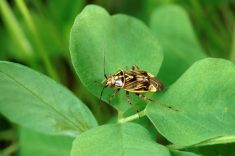
Vectors that bring in invasive species can be numerous, be it cars, trucks, boats, wood packaging, firewood, recreational gear and international releases of horticulture and pets. Bloom unveiled recent incidences including an invasive plant from Australia brought to a store in Calgary in 2024 from a shipment of plants from Miami. In the summer 2025, a giant chocolate slug (Arion rufus) was brought in from the Okanagan where it has been established in British Columbia since the 1940s and are native to Europe.
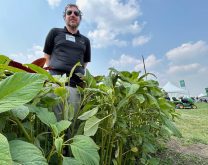
If something looks off, Bloom encourages producers to record and report, and experts can sort things out later.