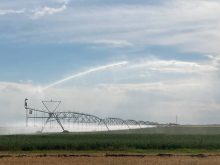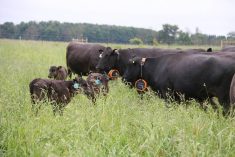

The Municipal District of Taber has finalized how cultivated and grazing leases on tax-recovery lands will be handled going forward, concluding years of contentious public debate.
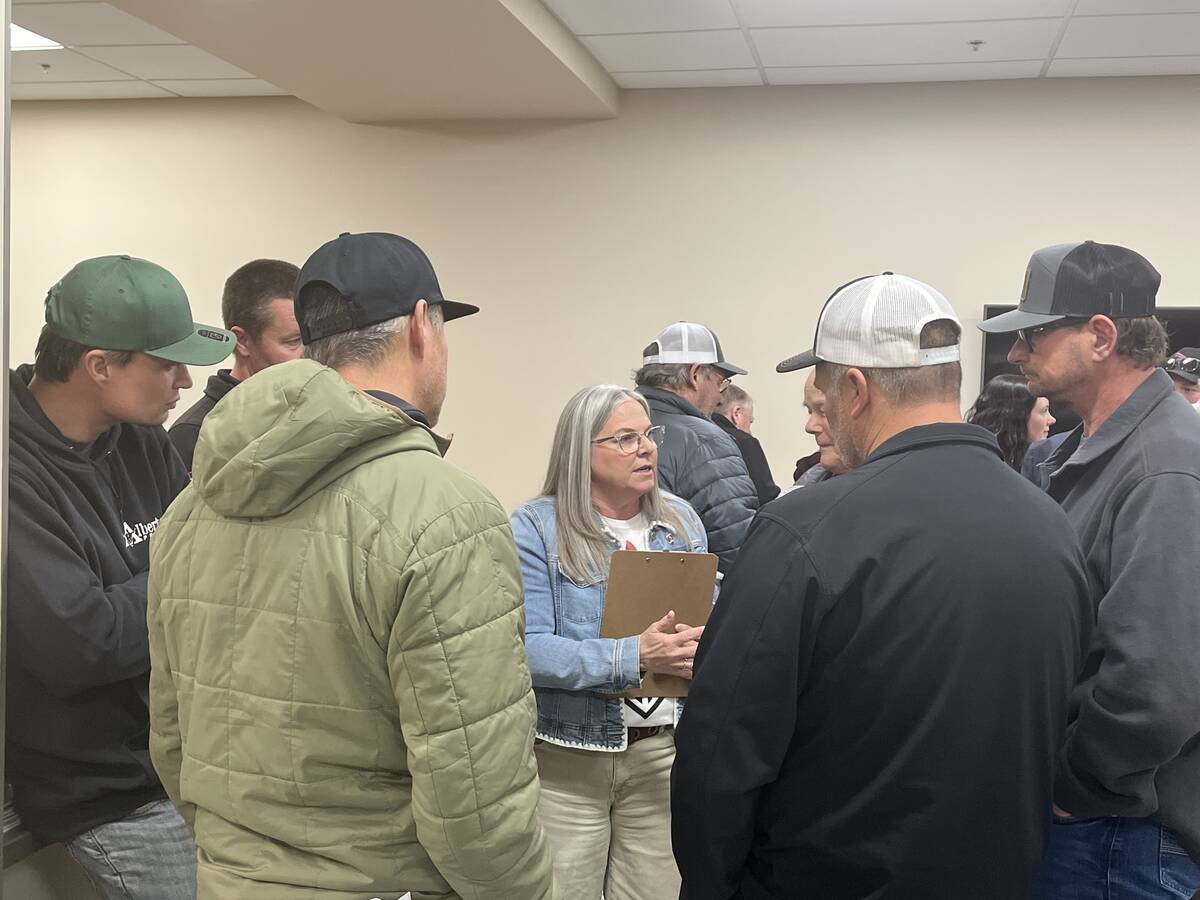
The meeting outlining the final drafts lasted more than nine hours, with much of that time devoted to the lease issue. Council worked to balance maximum benefit to ratepayers against stewardship of the more than 75,000 acres of grasslands the M.D. holds.
Read Also

Grandfather’s inspiration leads Lethbridge student to valedictorian honour
A Lethbridge Polytechnic agronomy student who grew up in the city says his grandfather’s farm sparked the passion that carried him to valedictorian.
WHY IT MATTERS: Rural municipalities across Canada have to balance high-intensity agriculture and grassland conservation through cattle operations, along with other interest groups on available land. The M.D. of Taber has proven a test case, with years of debate concluding as grazing and cultivated leases expire.
“This is a way of life. There is pretty strong feelings in the world it’s something we should preserve. We saw enough in our public engagement this is a thing. You got to have cows and calves to feed into feedlots, and we have intensive agriculture here as well,” said Coun. David Torrie, who represents the Grassy Lake region.
“It all works together. We can’t just run off the rails in one direction. Non-irrigated prairie grass is never going to compete in land values against someone that can potentially put it into potatoes. If they are willing to do the caveat because of the long-term benefit to the economy and to nature, we allow that option.”
New rates end two decades of subsidized grazing
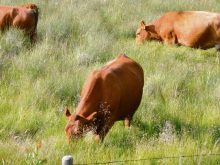
Ratepayers have long questioned the deal ranchers received — a subsidized $3.20 per animal unit month for the past two decades. Council passed new rates of $30 AUM or two times the provincial grazing rates for Zone 1, whichever is higher. The formula creates a floor for M.D. budget stability, can move with markets provincially and gives leaseholders long-term planning certainty.
The motion passed with a recorded split vote, as did an earlier defeated motion for $30 AUM plus the provincial rate.
“I won’t support this one, just because I feel like we’ve been trying to build an environment where we’re openly testing and trying to come to a good answer with the lease associations. So them coming to the table at 30 bucks and then pushing for a higher rate, I think it’s going to send the message that if you do come to the table, we’re still going to try to get more. I want the attitude to be that we were all working toward what would work well,” said Torrie who voted against the motion.
“My rationale behind this is, I’ve looked at the rates that people are paying for grass, plus the tendered rate, and we are still significantly below what private people are paying for that grass,” replied Reeve Tamara Miyanaga, who represents Northeast of Taber, voting in favour of the defeated motion.
Transition period sparks split vote
Equally divisive was the length of the transitional grazing lease. An initial five-year draft was extended to 10 years before going to tender, passing with another recorded split vote.
The argument for 10 years was that leaseholders took out large loans when the lands were provincial leases. With infrastructure costs including pipelines, troughs and fences, they need a longer runway to adjust or purchase, particularly since the M.D. initially signalled the acres would stay as grass when it took them over from the province.
“(We) have to remember who’s holding a lot of these transitional grazing leases. Some of them are the largest corporations within the municipality. This is significant value, and it’s a subsidized rate. Let’s let’s be honest. It’s subsidized, it’s been subsidized for the last 20 years,” said Coun. John Turcato, southeast of Taber, who voted against it.
Miyanaga added that current leaseholders had 20 years to prepare for changes they knew were coming, along with an option to purchase at appraised value that was still below market.
Tighter oversight for grazing associations
With leaseholders receiving subsidized rates compared to open market value, council stressed stronger oversight of grazing associations to ensure young cattlemen have the opportunity to join community pasture leases. Some have viewed the associations as closed circles that are difficult to enter, so adherence to their bylaws will be enforced. If an association is found not complying with its bylaws or applicable legislation, it could void existing community leases.
“The law allows for grazing land to be given to grazing associations below market value. But only because they’re grazing associations that are supposed to help small producers share the costs of fence, all these things that grazing associations actually do,” said Torrie.
“But if they’re not following their bylaws, and we have young farmers in the area that are trying to get in and they can’t get in, we can’t shut down the association, but we can control our lease. And so then it gives us some leverage for them to follow their bylaws.”
Oil, gas and future land uses
An attempt to remove the oil and gas surface leases clause failed in a recorded split vote. Under the existing arrangement, yearly revenue of approximately $160,000 from surface leases goes to the renter rather than the M.D.
“In the private world, no one gives surface rights to anyone, and I don’t understand why we’re doing it here. We don’t require that of our tendered ones. Why would we require it here,” questioned Turcato.
The M.D. reserved the right for future third-party or alternate uses if it determines the move is in Taber’s best interest — for example, a data centre or solar farm. A minimum 30 days notice would be provided to the current leaseholder, and the change cannot occur during an active agricultural or grazing season. Terms include compensating the leaseholder for loss of use or cancellation.
There will be 3,100 acres of grasslands developed with the Bow River Irrigation District as part of the Scope Reservoir Project, which passed in a 4-3 split vote in late 2025 before being put on hold.
Full 2026 land management polices can be found on the M.D. of Taber website.