

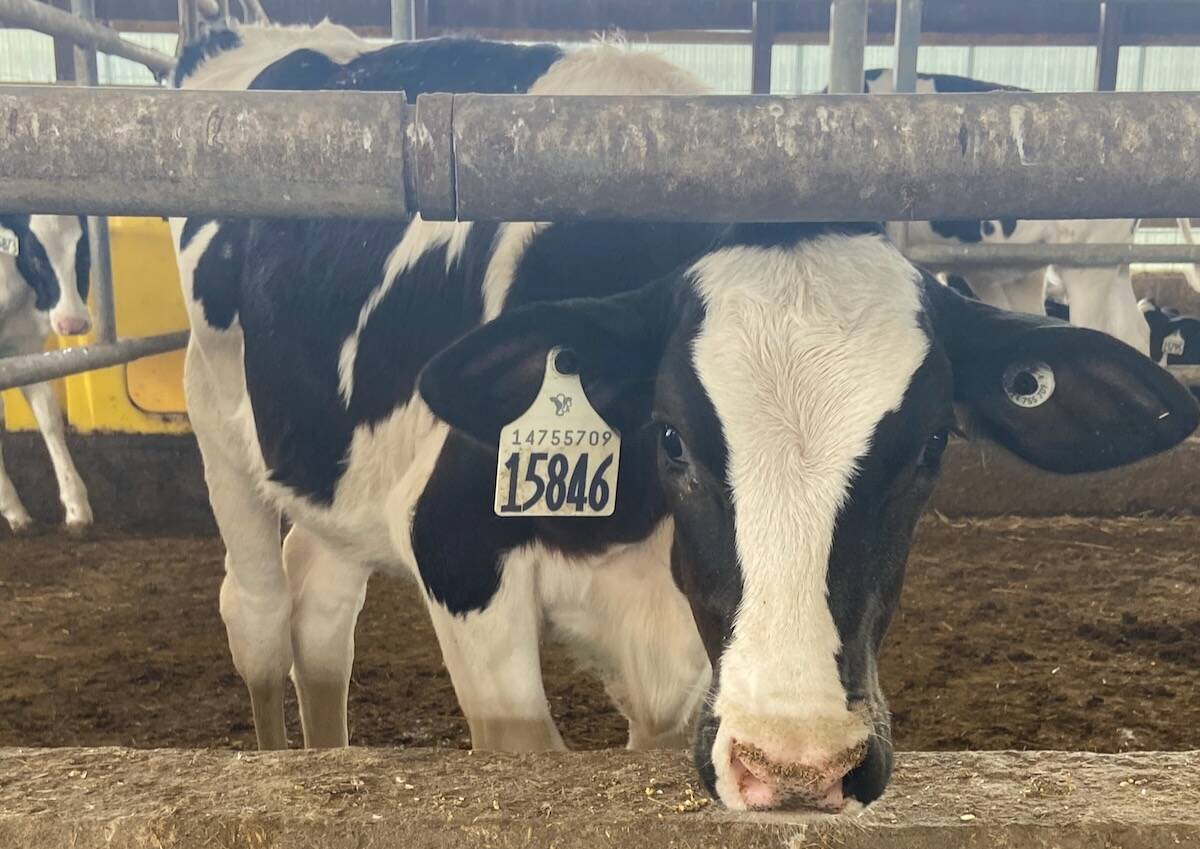
Ask most doctors or food scientists whether it’s safe to drink raw milk, and their answer will most certainly be no. Don’t do it. Throw it out immediately or better yet, pasteurize it.
The medical science is pretty clear on the consumption of unpasteurized milk: it can carry salmonella, e.coli, listeria and a host of other illnesses, including bovine tuberculosis.
WHY IT MATTERS: Drinking raw milk comes with numerous risks, but proponents of a proposed amendment to Alberta’s Food and Drug Act say legalizing its sale could be a boon for small farms in the province.
Read Also

Alberta producers set record for environmental farm plans in 2025
Albertan farmers and ranchers completed a record number of Environmental Farm Plans in 2025.
One of the Canadian Food Inspection Agency’s (CFIA) first recommendations when a mutated strain of highly pathogenic avian influenza started circulating among United States dairy herds in 2024 was to only drink pasteurized milk and cook meat thoroughly.
However, some people hold a different view. Just ask the two-thirds of Alberta towns and counties that voted in favour of a resolution made to the Rural Municipalities of Alberta (RMA) to allow the sale of raw milk under certain conditions. Currently, selling raw milk in the province is illegal and those who break the law risk fines of up to $25,000.
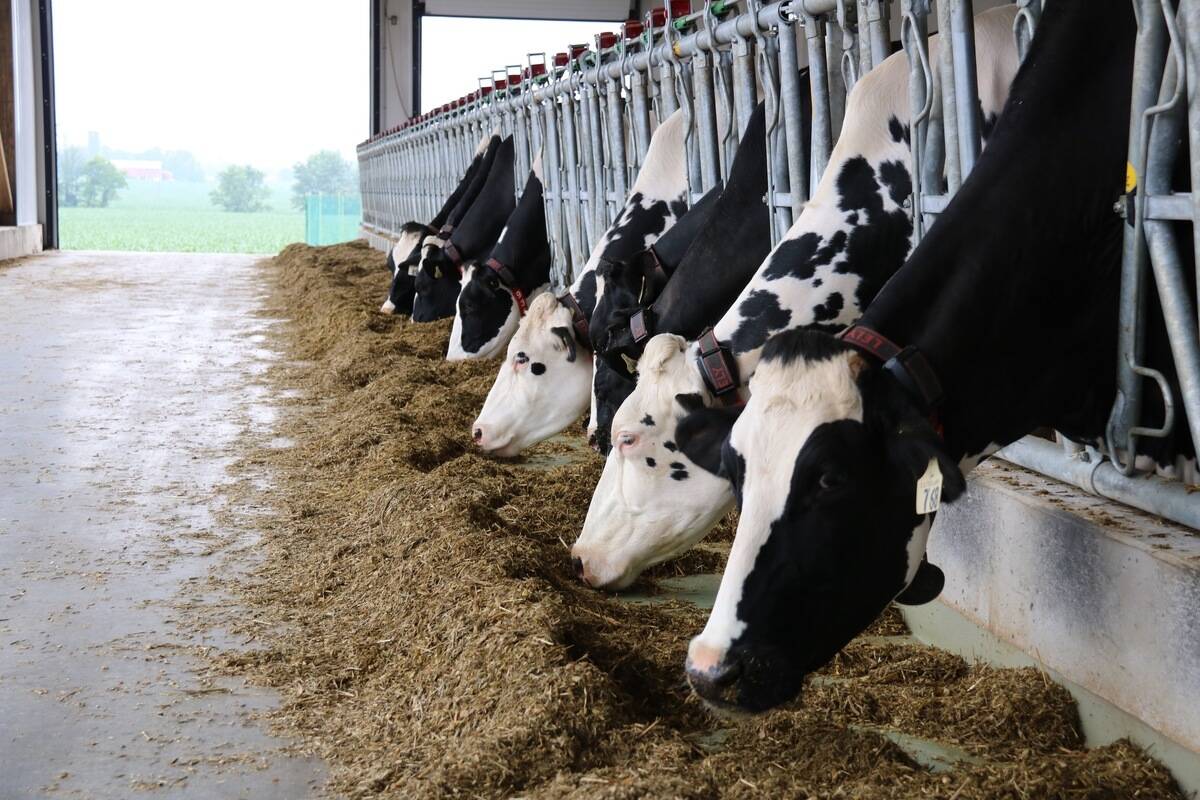
The resolution resulted in the RMA sending a proposed amendment to the Province of Alberta’s Food and Drug Act.
Ryan Ratzlaff, the reeve Municipal District of Greenview, which spearheaded the RMA resolution, doesn’t deny there are health risks involved in drinking raw milk. However, Ratzlaff believes they can be mitigated through education and the application of new research.
Much of that scientific research is advocated by the U.S.-based Raw Milk Institute, which posits that unpasteurized milk has a significant nutritional advantage over its pasteurized counterpart and can play a role in fighting asthma, allergies, eczema and lactose intolerance among other ailments.
“After the resolution became public, I had residents thanking me for bringing it forward because they’ve got family members that were lactose intolerant, that when they found somebody that they could get raw milk from they can drink as much as they want,” said Ratzlaff.
And based on the demand for raw milk on the black market, he said the allowance of raw milk sales will be a valuable new rail for small farms in his M.D. seeking sustainability for their operations.
“I’m looking at it more for my neighbour down the street who has a couple cows that they’re milking,” he said.
“It’s more of a community thing where we can actually build back our small farms in our small communities, because right now we’re losing a lot of that because the next generation is going, ‘Well, I don’t want to be a massive farm, and I can’t make ends meet.’
“But I think a lot of the small farms that we grew up on had all these different things, and we worked with our neighbours and sold to our neighbours and bought from our neighbours, and that’s what sustained a lot of people.”
Ratzlaff believes cattle disease started in earnest as milk became less community-oriented and became a larger-scale model, with “massive” barns enabling more disease risk. By comparison, he explained, today’s black-market raw milk operations are small with limited means of virus transmission.
“Some of these smaller farms where they only got a couple of cows … it’s easier to keep a handle on and things like that. It’s not the same level of risk.”
Knowledge of the risks through education will also help minimize bad experiences with raw milk, he said. Legalizing the practice would also give the provincial government the motivation to develop standards for the milk with an eye toward safety.
Bovine bird flu danger
That said, a big question is how a legalized raw milk market in Alberta would co-exist with the advent of highly pathogenic avian influenza (HPAI) in dairy cows. Since 2024, 1,084 dairy herds in 19 U.S. states have tested positive for bird flu, which is attracted to dairy cows’ mammary glands.
The most recent discovery occurred in December in Wisconsin. No incidents of this “bovine bird flu” have been found in Canada to date.
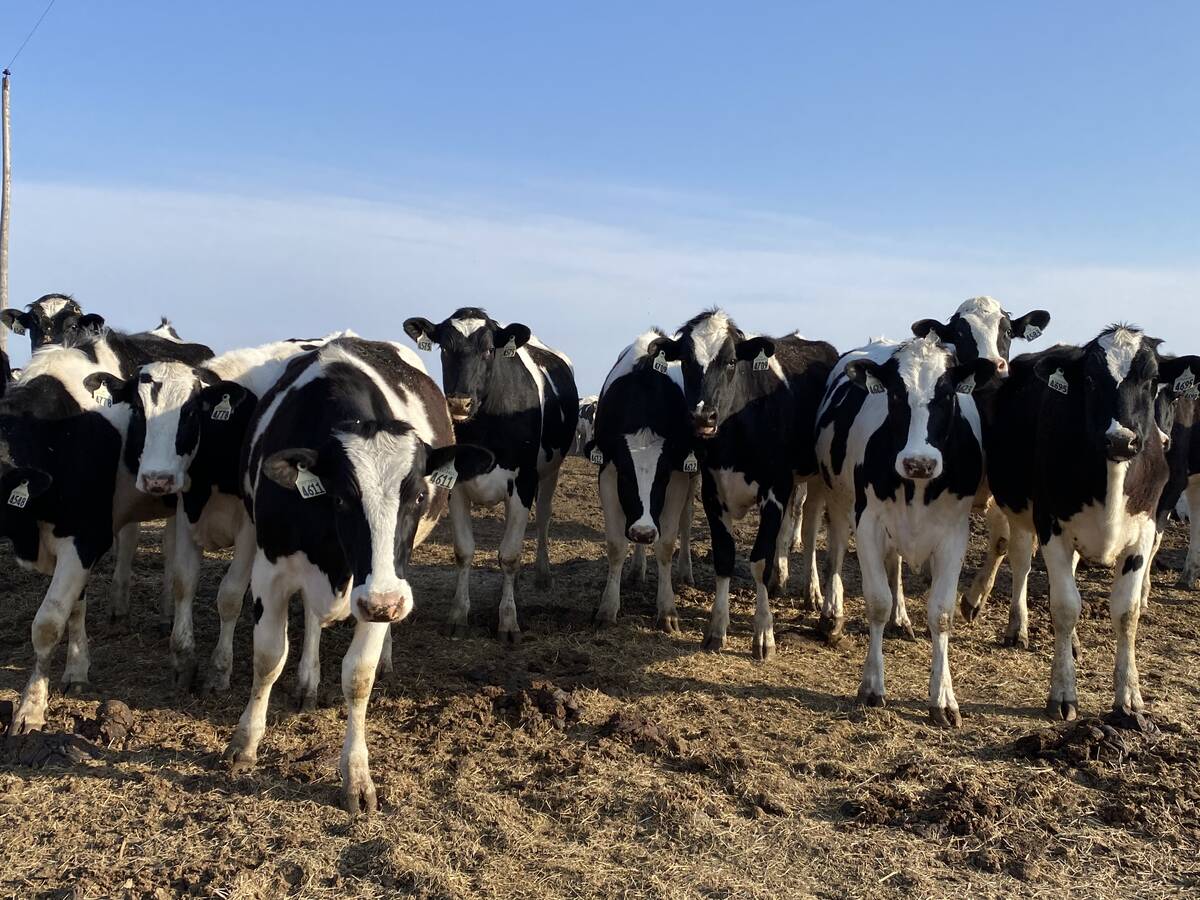
But with diseases like bovine HPAI and tuberculosis having the potential to infect humans drinking raw milk, an avian flu tracker and professor with the Ontario Veterinary College at the University of Guelph said it’s simply not worth the risk.
“Generally speaking, as a veterinarian, as someone who has actually worked with dairy cows, I wouldn’t recommend drinking raw milk, not just because of HPAI, but because of a whole host of other things that might be lurking in raw milk,” said Shayan Sharif.
“It’s not something that I would recommend to anyone, but I recognize that some people really think that it has some medicinal activities and perhaps it’s healthier to drink raw milk, and that’s their opinion.
“But I think from the point of view of microbiology, of what can be harboured in raw milk, I would not really recommend that to anyone.”
As cases piled up in the U.S. bovine avian flu outbreak, agencies under the U.S. Department of Agriculture (USDA) identified risk factors, some of which pointed to infection through raw milk.
To name one example, they learned it could be spread from cow to cow through milking machines and other dairy barn equipment.
Transmission from cows to humans through barn milk exposure was also determined to be a low-level possibility. One such example occurred in Texas shortly after the initial HPAI discovery there.
“It … became clear that humans that are in contact with the virus usually catch the virus through their conjunctiva,” explained Sharif.
“Some of them become infected through the respiratory system, but it’s primarily because of the conjunctiva in in their eyes that they become infected.
“So if you have PPE (personal protective equipment) — for example goggles, gloves, coveralls and so on — you could actually protect yourself.”
The recent discovery of HPAI in a Netherlands dairy herd suggests bovine bird flu is not an exclusively U.S. phenomenon.
According to a Jan. 23 report in science.org, a cat on a dairy farm in the Dutch province of Friesland that died from H5N1 HPAI proved to be a canary in a coal mine.
Veterinarians sampled blood and milk from cattle on the farm. Although they did not find the virus itself, they found antibodies in the milk of one cow suggesting it had contracted the flu recently.
The case is consistent with warnings from North American vets and scientists that bovine bird flu is still a going concern requiring ongoing precautions and research.
A calculated risk?
In spite of the risks of bovine HPAI, bovine tuberculosis and sundry other communicables being spread through raw milk, Ratzlaff considers drinking it a calculated risk, one that can be made safer through education.
“Not to be flippant about it, but everything we do has risk. Look at the highways that we’ve had this winter. There’s risk in everything we do and we need to be educated to take appropriate measures to mitigate those risks.”