
South Korea is likely to lift an eight-year ban on Canadian beef imports by end of June and plans sweeping changes in its grain growing and import policies in the face of rising global food prices, the country’s farm minister said April 14.
Rising global food prices have prompted the country to eye participation in grain operations abroad and move to encourage farmers to grow more corn and wheat while easing rice import policies, said Yoo Jeong-bok, South Korea’s food, agriculture, forestry and fisheries minister.
Read Also

Alberta producers set record for environmental farm plans in 2025
Albertan farmers and ranchers completed a record number of Environmental Farm Plans in 2025.
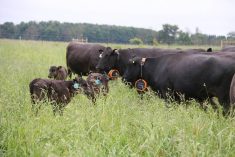
The country is working with Canada to solve a dispute on beef imports banned over mad cow disease concerns in 2003, he said, as South Korea recovers from an outbreak of foot-and-mouth disease that cost the country nearly three trillion won (C$3 billion).
“A decision (on allowing Canadian beef imports) is likely to be made through bilateral talks instead of a WTO panel ruling. The decision is seen coming this quarter,” Yoo a former member of the parliament, told Reuters in an interview.
South Korea will likely allow imports of Canadian cattle under 30 months of age when it lifts the import ban, similar to rules covering U.S. beef, Yoo said.
Canadian Agriculture Minister Gerry Ritz said last month that the two countries were close to resolving the import dispute ahead of any decision from a World Trade Organization panel on the issue.
Global grain market volatility is worsening and prices are likely to rise due to soaring demand, said Yoo, who represents the Asia- Pacific region at the UN. Food and Agriculture Organization (FAO).
South Korea, the world’s fourth-largest grain importer, is responding to high prices with a range of measures such as buying U.S. grain storage elevators and increasing its overseas grain farming, Yoo said.
“We want to ensure supplies by expanding growing field … On top of (direct grain) imports, we will raise importing through overseas farming to 10 per cent of our total imports by 2018,” he said, adding that imports from overseas grain farming could reach 1.38 million tonnes by 2018 from 281 tonnes in 2010.
———
“Thedecisionisseen comingthisquarter.”
YOO JEONG-BOK