One Saskatchewan farmer has found a way to share the load on weed control — and cut about $20 an acre in spray costs along the way.
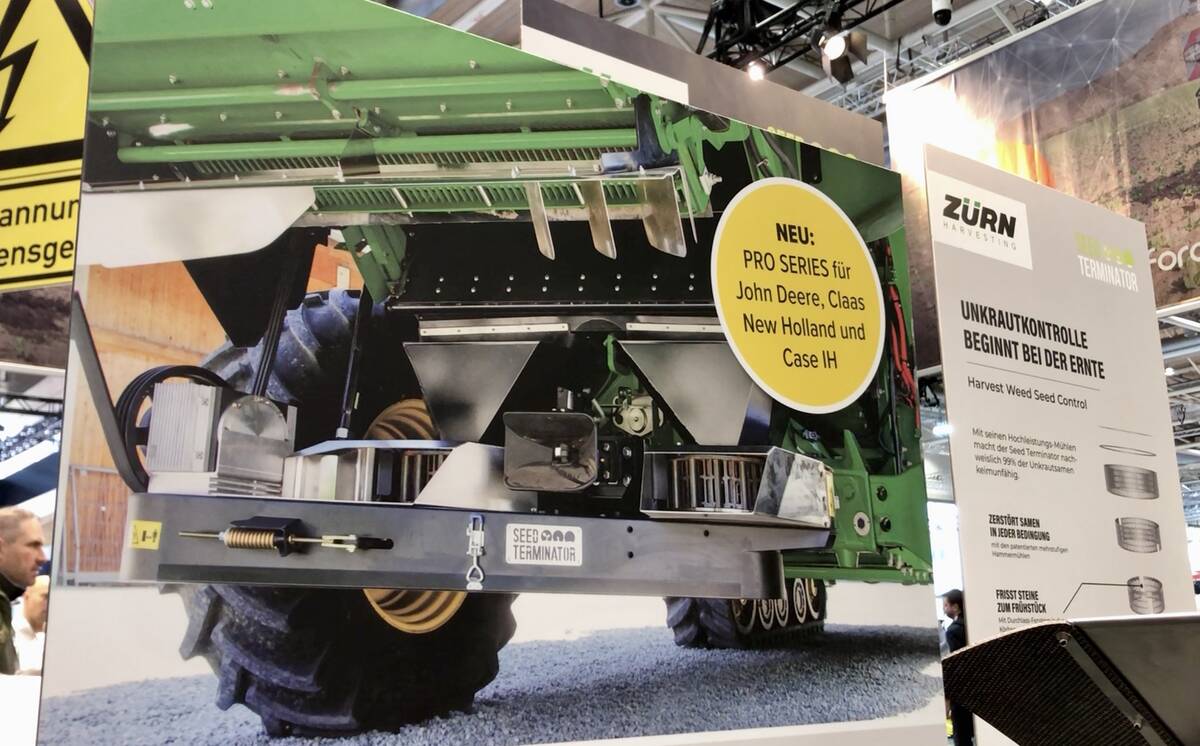
Josh Lade, who farms north of Saskatoon, has been using the Seed Terminator for more than six years. The mechanical device destroys weed seeds during harvest, making them unviable before they exit a combine’s spreader.
The Seed Terminator was developed in Australia but is gaining interest among farmers in Western Canada.
Read Also

Grandfather’s inspiration leads Lethbridge student to valedictorian honour
A Lethbridge Polytechnic agronomy student who grew up in the city says his grandfather’s farm sparked the passion that carried him to valedictorian.
With herbicide costs rising and regulatory pressure growing, Prairie farmers are looking for tools beyond chemistry to manage weeds. Mechanical weed seed destruction at harvest offers a complementary approach.
Six years of results
“We don’t have any issues with it, other than a little bit extra power required because we are running a multi-stage hammer mill and a little extra fuel,” said Lade.
In an article on this site last year, Lade noted that the Seed Terminator has reduced spray costs on his farm. He now has to spray canola only once — albeit at a higher rate — rather than twice to keep weeds at bay.
He’s also seen bumps in cereal crop yields from spraying less herbicide.
“We’re not often spraying for wild oats or grasses in our cereal crops, for example … because it can be quite expensive and it can also have quite a metabolizing effect since you’re trying to kill a grass weed in a grass crop,” said Lade.
While the savings are likely to perk up ears — Lade estimates about $20 per acre — for him, it isn’t just about the money.
It’s the reliance on a single approach to weed control that helped motivate him to adopt the Seed Terminator.
“I really now feel I take for granted the ability for us to use certain herbicides on our Canadian farm,” said Lade.
A lesson from Europe
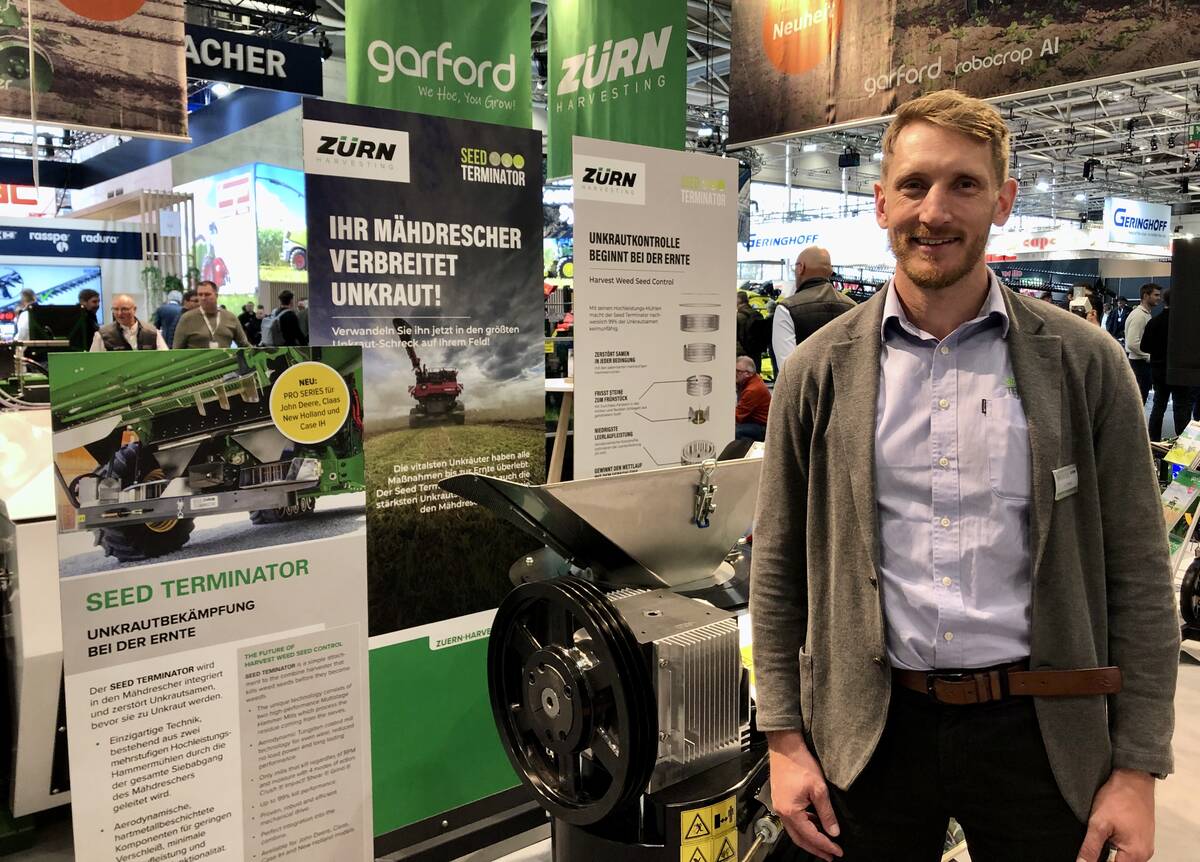
That comment stemmed from visiting a farm in Germany while attending last fall’s Agritechnica farm equipment show. Herbicide legislation in Europe is especially onerous due to environmental and sustainability concerns, and the situation facing European farmers made him reflect on farming in Canada.
“We’re only certain policies away from maybe not being able to use some chemicals, and that’s exactly what has happened here in Europe,” said Lade.
“So I think we need to be looking at other sources of weed control tactics while we still have a lot of easy options.”
– With files from Mark Halsall