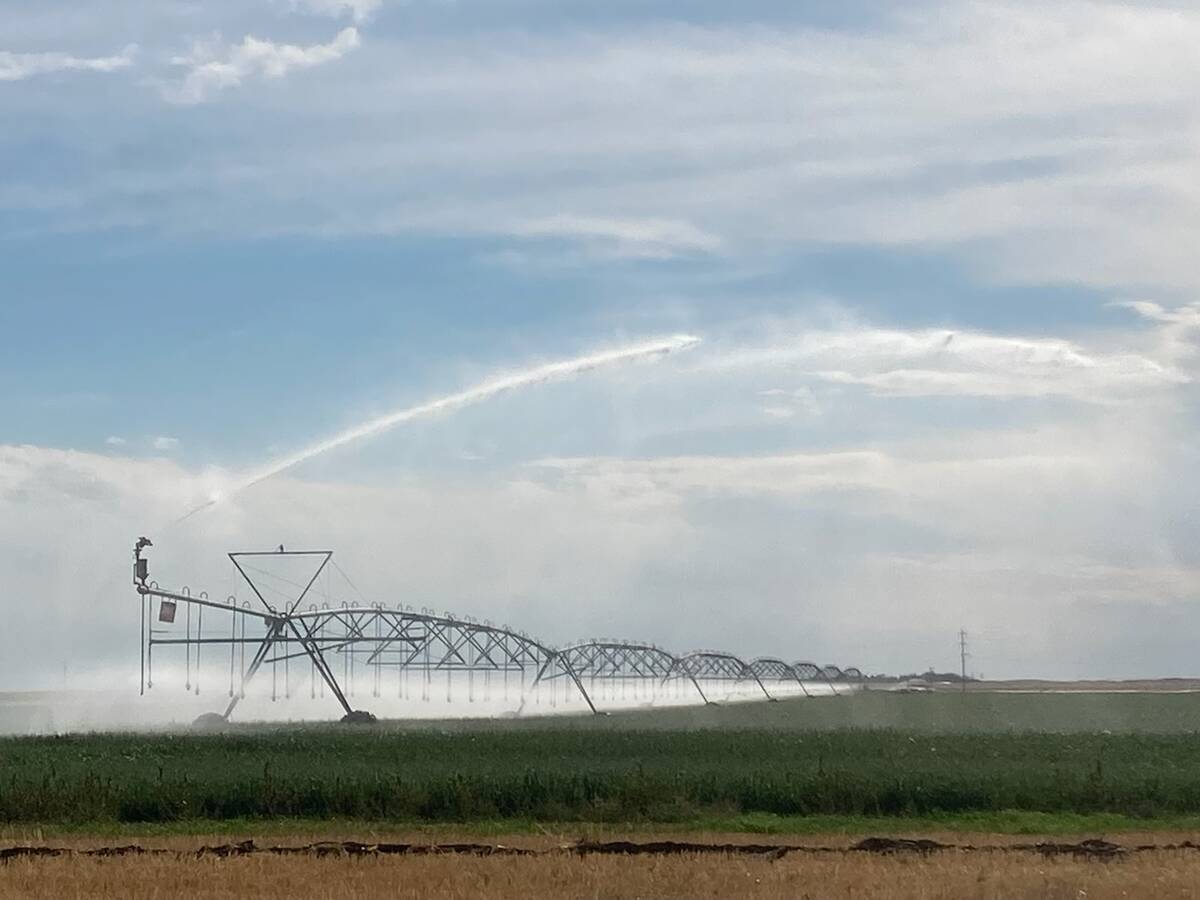
Southern Alberta farmers got some good news from the largest irrigation district in North America.
Battling consistent drought in recent years, the St. Mary River Irrigation Distinct has set its allocation at 14 inches from the farm gate for 2026.
Based on modeling and snowpack data supplied by Alberta Agriculture and Irrigation, it is better news from 2025 where the benchmark was 12 inches, and initially dwindling to eight inches in 2024, as irrigators had to tighten their belts.
Read Also
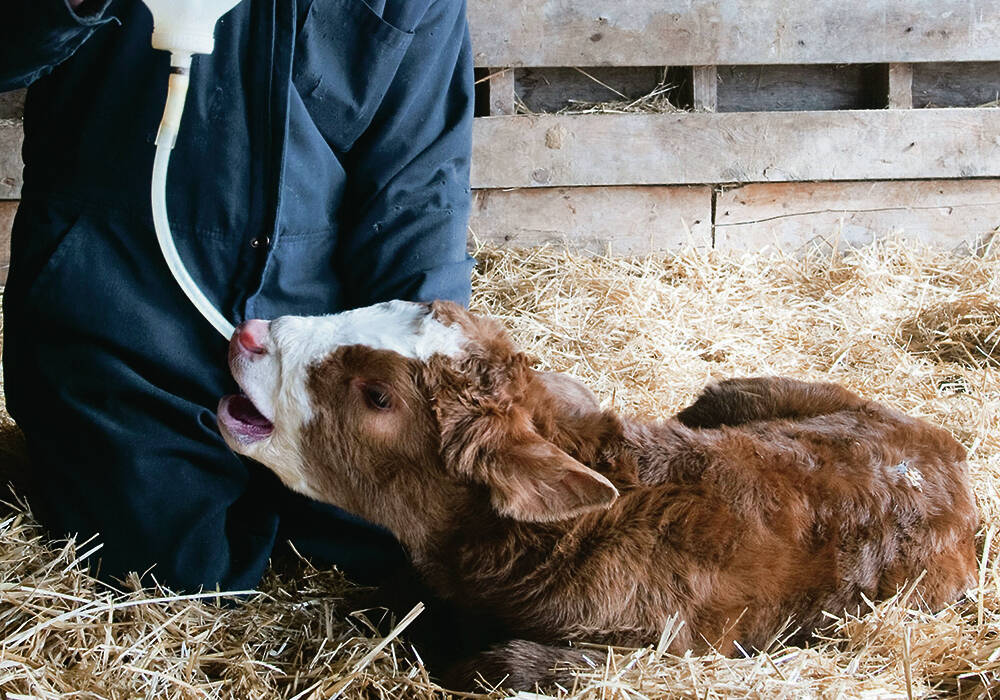
CALVING 2026: Keep those newborn beef calves healthy
Biosecurity, vaccines, vitamin injections and colostrum — veterinarian Roy Lewis runs down how beef farmers can keep newborn calves free from disease and gaining weight fast.
WHY IT MATTERS: With billions of dollars of irrigated agricultural production up for grabs in Alberta, getting good news from Mother Nature in water availability helps power the region economically.
“We are very comfortable a 14-inch allocation will allow irrigators to grow a successful crop in 2026, while also allowing the district to meet storage targets for winter 2026. Our board also factors in current storage levels,” said Cory Nelson, chairman of the board of directors for the SMRID in a press release, after emerging from its March meeting.
“While the warmer temperatures this winter resulted in a reduced snowpack overall for the southern tributaries, strategic investments in off-stream storage reservoirs allowed for the capture of an additional 155,000 acre-feet of early runoff water in winter 2025/2026.”
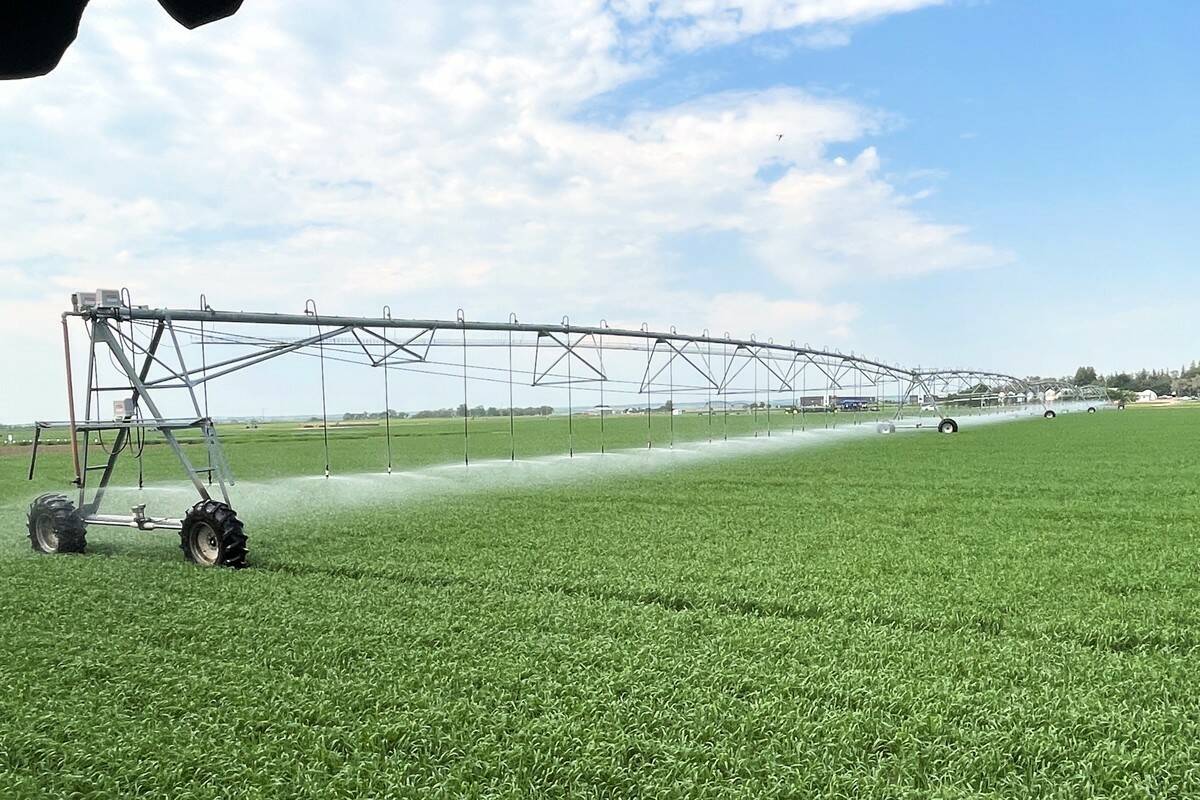
Current storage levels within the district’s reservoirs are at 246,000 acre-feet, which represents 80 per cent of the full supply level (FSL).
The headworks reservoirs, comprised of the Waterton, St. Mary and Milk River Ridge reservoirs, are sitting at a combined storage of 374,000 acre-feet, or 77 per cent of the FSL. The current total of all of the storage in the St. Mary Project reservoirs is 620,000 acre-feet, or 79 per cent of FSL.
The largest contributor to the SMRID water supply, Flat Top Mountain, has made modest gains since the February update and continues to report above the lower quartile.
The Many Glacier snow pillow is reporting well below the lower quartile, and has accumulated substantially less snow water equivalent than this time last year.
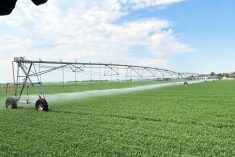
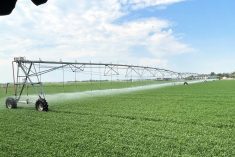
Average on-crop use across the district in 2025 was 9.5 inches, in an SMRID region which has over 2,000 km of canals and pipeline, which spans from Lethbridge to Medicine Hat, and serves 518,000 acres, as it continues building projects to serve the region.
Irrigated land within Alberta irrigation districts generates 28 per cent of Alberta’s total Agri-food GDP.
Annually, irrigation-related activities in Alberta’s irrigation districts generate $5.4 billion to provincial GDP, $3.2 billion in labour income, and supports approximately 46,000 full-time equivalent jobs.
AIM pipeline projects completed to date from 2020 within the SMRID, have resulted in an estimated 21,900 acre-feet of water savings on an annual basis.
Additionally, infrastructure improvements done by SMRID as well as on-farm efficiency improvements translate into 9,200 and 16,300 acre ft of additional efficiency gains each year, respectively.
“Based on modelling, storage and snowpack data, the board’s 14-inch allocation for 2026 supports the environmental realities of projected runoff supply and existing 2026 storage. We are eager to complete two additional Alberta Irrigation Modernization (AIM) projects in 2025/2026, which will bring the total AIM Program projects completed to 24 of the 30 modernization projects,” said David Westwood, general manager pf SMRID.
“These pipeline projects have resulted in efficiency gains across the district, and tangible improvements to water management.”