
Prairie research is reviving an old insect-control tactic on crop fields, pulse acres included.
What if, instead of blanket spraying an entire field to wipe out invading insects, you gave them something to munch on that you want them to eat?
Trap cropping — where plants favoured by a pest insect are planted to draw insects away from a main cash crop (usually planted later) — is making new inroads with farmers, particularly those with small to mid-sized fields and who want to lower insecticide use, according to Héctor Cárcamo, a senior research scientist at Agriculture and Agri-Food Canada.
Read Also
From soil to stall: the digital platform closing the data gap in methane reduction
Maxime Leduc’s ‘My Forage System’ helps livestock producers boost profitability and slash emissions by finally connecting field data to animal performance.
WHY IT MATTERS: Spray costs, resistance concerns and increasing awareness of beneficial insects have driven more research attention to integrated pest management practices. In some cases, that’s meant taking a leaf out of our grandparents’ book.
Speaking to pulse growers near Taber, Alta., in December, Cárcamo pointed to various Prairie research projects testing the concept in pest hot spots.
Trap cropping relies on the idea that, by concentrating pests in designated areas for food and egg laying, farmers can monitor and manage the pest population more efficiently. Maybe they can limit their spraying to that limited area, or release beneficial insects.
Spraying a smaller area might mean less input cost, while also keeping things friendlier for beneficial insects and making control efforts more targeted and precise.
Matchmaking pests and trap crops
The secret is finding which trap crop will draw the most pests away from the crop the farmer is trying to protect, Cárcamo said.
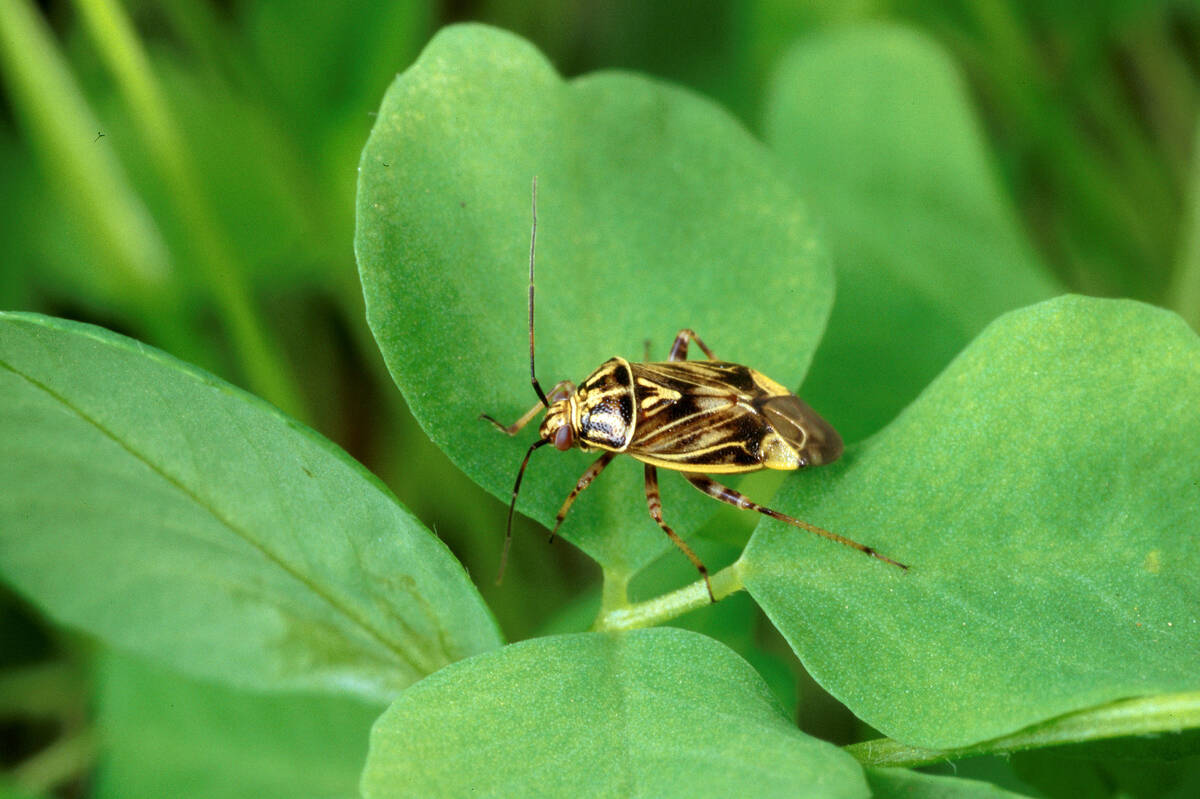
For faba bean growers, lygus bugs are one pest insect they’d like to keep well clear of their fields. They also might be enough of a picky eater for trap crops to work.
Cárcamo’s work into trap crops against lygus bugs was highlighted by the Western Producer last year. At that time, the researcher noted that the pulse crop’s timing — filling pods while surrounding crops are drying down — tends to puts a target on the still juicy faba bean plants for any lygus bugs in the area.
Researchers tried various trap crops as bait, along with targeted insecticide and beneficial predator release. They tried mustard, canola, hemp and sunflowers.

Winter peas got a good jump in development, while spring-planted peas faced struggled to achieve the needed difference in crop staging compared to the protected crop. Of the seven crops tested, one was the clear lygus bug favourite.
“I’ll give you a hint. It’s yellow flowers and produces oil. Canola was the clear favourite,” Cárcamo said.
Sunflowers also showed potential, echoing results also seen in China with a different species of lygus bug.
Last year’s coverage of Cárcamo’s lygus bug work also noted that faba beans planted next to safflower showed less damage than those planted next to canola in 2022, and that safflower seemed to retain the pest insects for longer.
How realistic is it?
There is promise in trap cropping fields, those listening to Cárcamo’s presentation heard. At the same time, results will vary depending on the pest and specific strategies used. There’s timing, field arrangement, pest pressure and follow-up management like local spraying and beneficials introduction that are critical.
In the faba bean trial, for instance, while canola had lygus bugs flocking to the trap, it also had to be followed up with well-timed insecticide to keep the bugs from exploding back into the protected crop.
There’s also the question of how well it meshes with the average farms. Most farms on the Prairies today are large, with large fields. More complex and time consuming agronomic pest management alternatives may not be attractive.
“Trap cropping, you need to do things at different times and some farms have thousands and thousands of acres. If someone has the time, maybe they are retiring and want to play around, then try trap crops,” said Cárcamo.