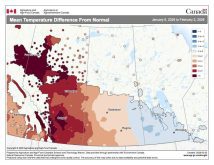


Most of the main reporting stations across the Prairies showed colder-than-average temperatures in March, with the notable exception of Calgary.
Interestingly, the coldest reading was also in Alberta, with Peace River coming in at a very chilly -12.9 C.
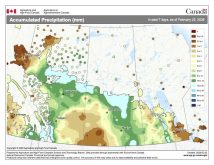
When it came to precipitation, Alberta was the wet spot in March, with all three locations reporting above-average amounts. Calgary saw the most moisture, with about 30 mm of precipitation, or 12 mm above average.
Read Also
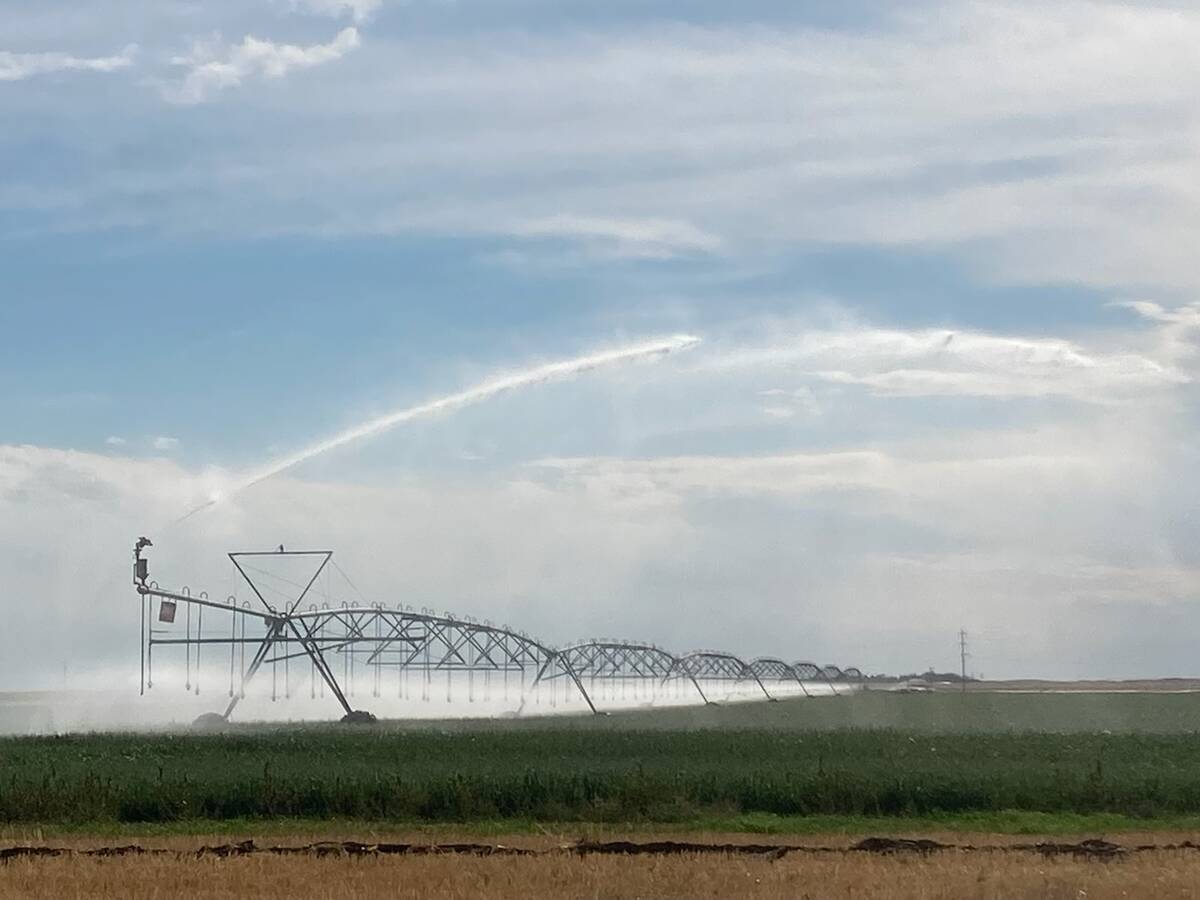
Southern Alberta irrigation district sets healthy 2026 water allocation
Southern Alberta farmers get good news in their water allotment for the 2026 growing season, which has nearly doubled in two years emerging from drought.
Manitoba and Saskatchewan didn’t have good news to report for farmers hoping to recharge soils heading into seeding. Precipitation in these provinces ranged from slightly below to well below average. Saskatoon was the driest location, with only 11.6 mm, and Brandon was the driest when compared to average, coming in at 12 mm below long-term average.
WHY IT MATTERS: March was cooler than average in most of the Prairies and conditions were moist in Alberta but drier through Saskatchewan and Manitoba — a split that matters heading into seeding.
Was this really a long winter?
Overall there seems to be a sense that this winter was a long one, probably because it held on harder than usual in March. But was it a particularly harsh winter? There the numbers aren’t so clear.
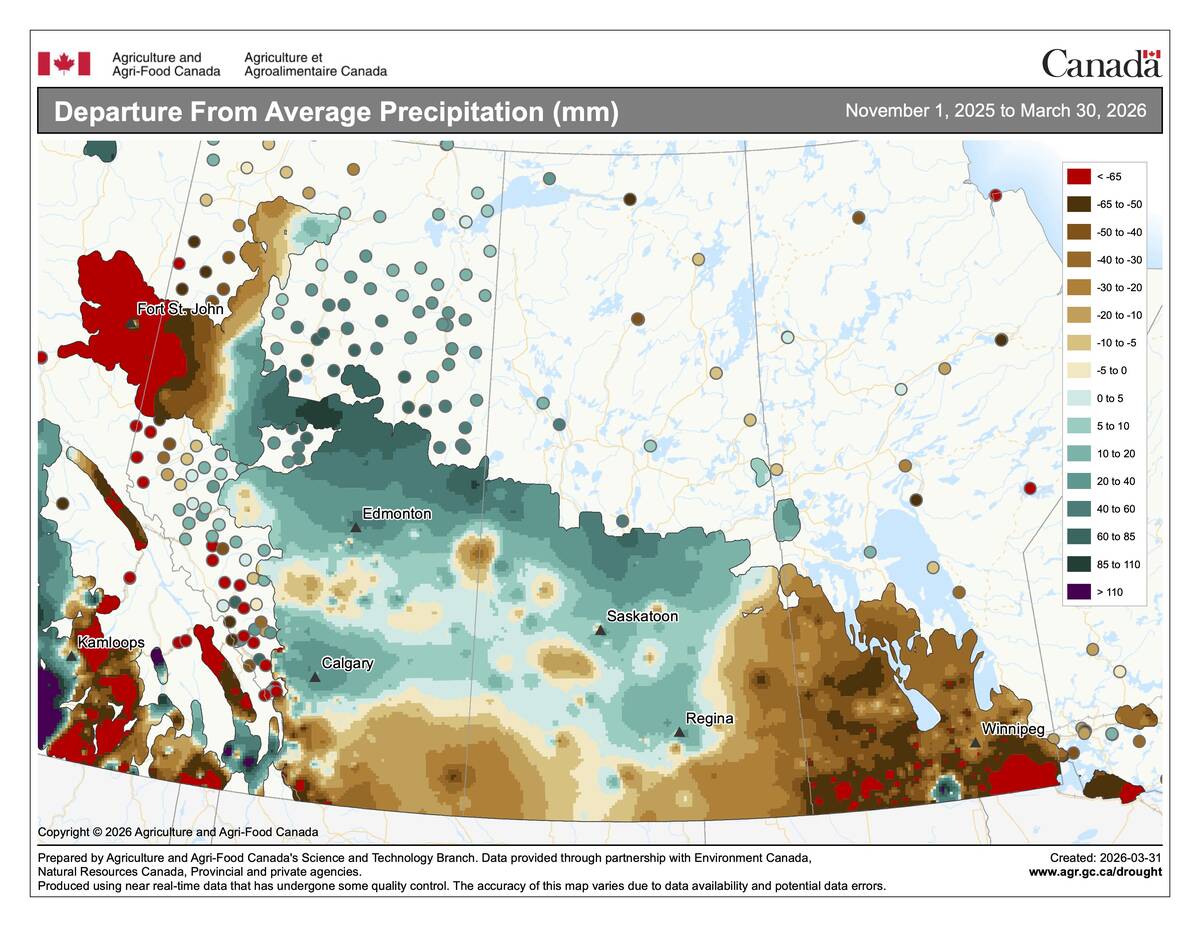
In the accompanying table I’ve gathered the temperature data for the winter. It shows average temperature and how much that differed from normal — or what’s known as the “anomaly.” It also shows total precipitation, the anomaly and per cent of average precipitation.
November to March: the full picture
For the November-to-March time frame, we can see Manitoba and Saskatchewan’s mean temperatures mainly occurred in a narrow band within half a degree of -11 C. Calgary was the warm spot, coming in at -3.3 C, while Peace River was the cold spot at -12.9 C.
If we compare these to the average, it becomes a bit more of a mixed bag. Dauphin and Saskatoon came in slightly below average. Winnipeg, Brandon and Edmonton came in slightly above average, while Calgary and Regina came in solidly above average.
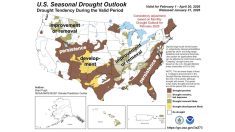
Precipitation this past winter, at least according to the data from these stations, was mostly below average. All the stations but one reported below-average values, with amounts ranging from 62 per cent of average in Winnipeg to 88 per cent in Peace River. Calgary was again the exception, coming in at 116 per cent of average.
“Was it a particularly harsh winter? There the numbers aren’t so clear.”
Daniel Bezte
So overall, the winter of 2025-26 saw near- to above-average temperatures, except for the Peace River region of Alberta, which saw below-average temperatures. Precipitation was generally below average but not severely, with only the Calgary region reporting slightly above average amounts.
We will look at the longer-range forecasts for May to August later in April.