

Beijing | Reuters — China’s dwindling pace of meat imports, thanks to its tough measures against coronavirus contamination, will provide further support for prices already buoyed by a severe shortage of pork, analysts said.
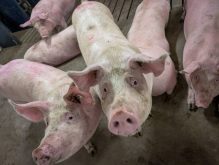
Purchases of pork and other meats have soared this year after domestic production shrank 30 per cent following an outbreak of African swine fever that devastated China’s hog herd, but the recent anti-contamination measures threaten to reduce imports.
Beijing has suspended imports from more than 20 overseas plants processing pork, beef and poultry since mid-June, after workers were infected with the virus.
Read Also

Trump tells farmers that tractor companies should lower prices
U.S. President Donald Trump announced new measures on Friday to support U.S. farmers who are reeling from the administration’s trade policies and the Iran war and suggested farm equipment makers cut prices
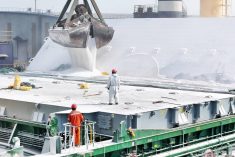
Now stuck at ports are products of some plants shipped before their suspension, said Grace Gao, manager of Dalian-based importer Goldrich International, which has two such containers held up.
“You can’t take delivery of it, even if it has been given a negative test,” she said.
While hundreds of other plants retain their approvals to ship to China, the virus tests are delaying port clearances for containers.
Imports had already begun to slow after prices weakened in China during March and April and exporters battled virus outbreaks.
Imports are now about 15 per cent costlier than in early June, said Shi Lei, a manager at meat importer Beijing Hopewise International Trading Co. Ltd.
“Loading of beef in June dropped about 30 to 40 per cent,” he said.
Smaller imports follow a surge in domestic prices since mid-May to the level of about 38 yuan (C$7.33) per kilogram for live hogs, hovering near a record set last October.
Analysts blame tight supply for much of the rise as consumption begins to recover.
Official data shows the number of slaughtered pigs still down 30 per cent in May on the year, said Wang Lisheng, an economist at Nomura International.
“This doesn’t bode well for China’s pork supply in the near term,” he said, adding that heavy rain and floods could constrain pig farming and hog delivery in southern China, perhaps for a few months.
The pandemic abroad could also support prices by restricting exports, he added, though that impact was minor compared to the domestic supply gap.
— Reporting for Reuters by Dominique Patton.