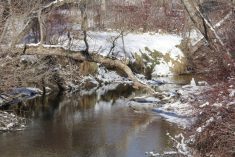


Ottawa | Reuters — The northern Canadian city of Iqaluit declared a state of emergency on Friday after scarce rain this year left water levels in the local Apex River at a four-decade low.
Iqaluit warned it may not have enough water in its reservoir to sustain its population of about 7,800 when a freeze-up takes hold during winter unless the city sources more water, according to an official statement.
The city said it was now seeking regulatory approval to pump more than the permitted amount of water from the Apex River and tap an additional water source.
Read Also
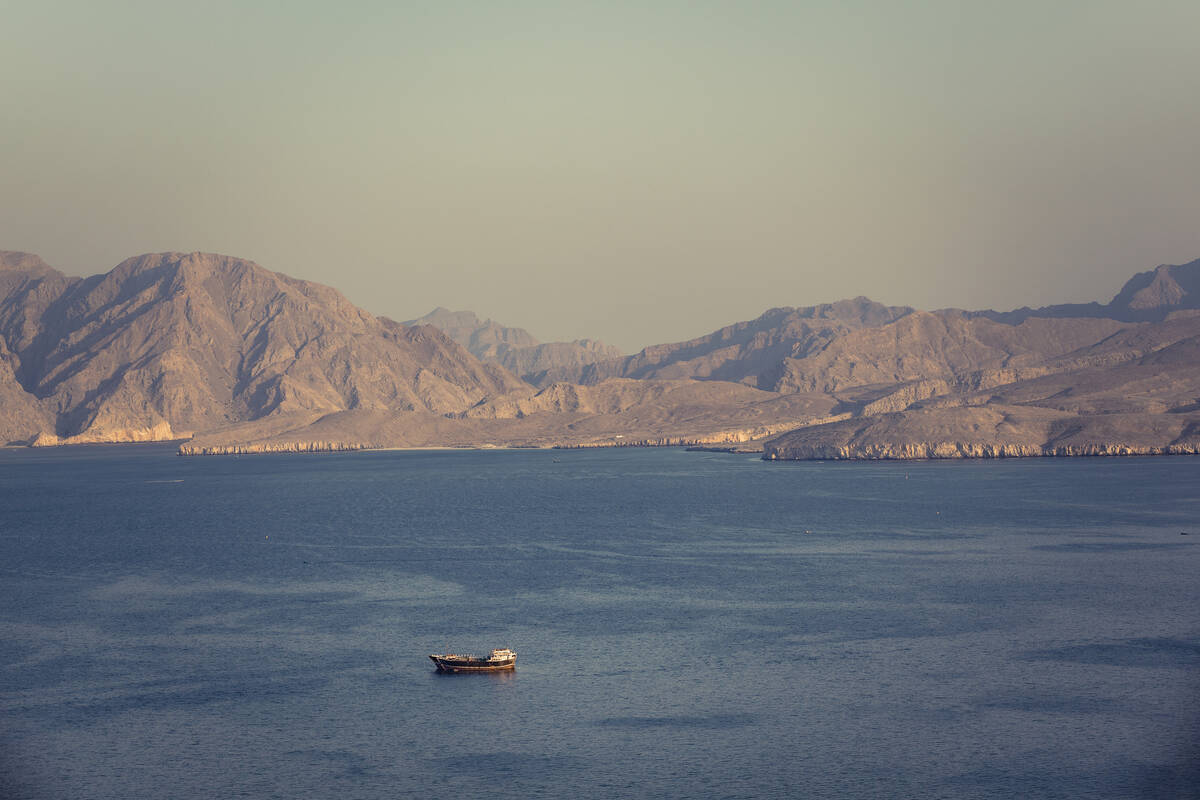
Iran says Strait of Hormuz open as Trump sees deal ‘soon’ to end war
The Iranian foreign minister said the Strait of Hormuz was open on Friday following a ceasefire agreement in Lebanon, but shipping companies reacted cautiously.
Officials have proposed using an unnamed lake, about 3.5 km north of Iqaluit, as an additional source of water. The same lake was used in 2019 to supplement the city’s water reserves.
Although Canada has about a fifth of the world’s fresh water within its borders, Indigenous communities across the country have historically faced water issues.
Iqaluit is the capital of the predominantly Indigenous northern territory of Nunavut. The city was in a state of emergency for about two months last year after fuel was found in the water supply that made water unsafe for consumption.
Pope Francis visited Iqaluit late last month on his six-day visit to Canada to apologize to Indigenous people for abuse in government schools run by the Roman Catholic church.
— Ismail Shakil is a Reuters reporter in Ottawa.