
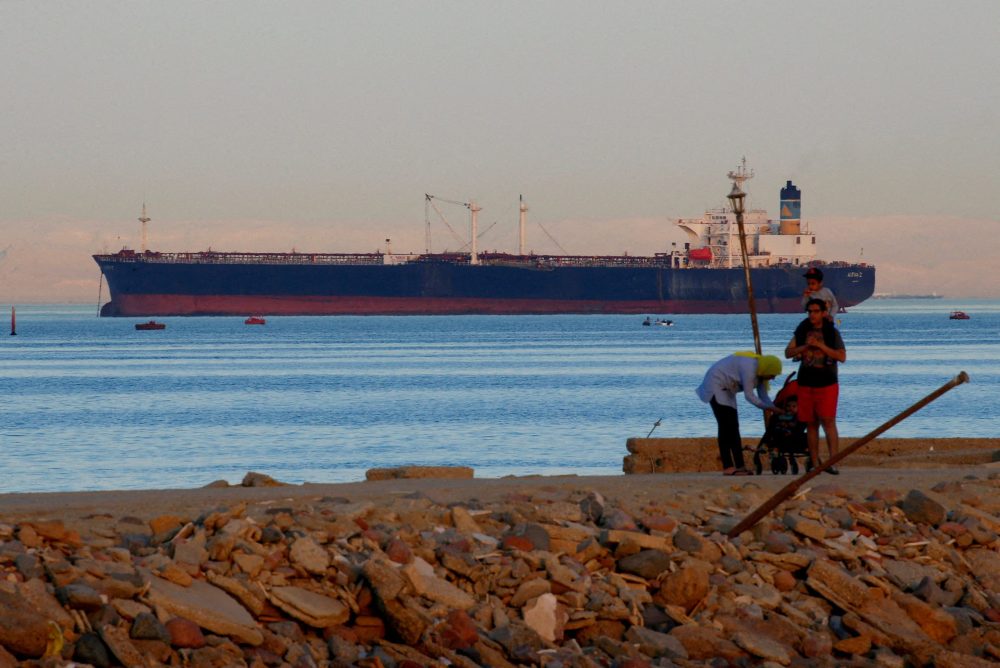
Hamburg | Reuters — More ships carrying grain were diverted from the Suez Canal to sailings around the Cape of Good Hope this week as concern about attacks on vessels in the Red Sea continued, shipping analysts said on Friday.
“Another 13 vessels were diverted this week taking the total cargo diverted away from the Red Sea route to around 5.2 million metric tons of grains in about 90 ships since the attacks started late last year,” said Ishan Bhanu, lead agricultural commodities analyst at data provider and analyst Kpler.
Read Also

Australian farmers shift to less fertilizer-intensive crops as Iran war costs surge
Australian farmers are expected to favour less nitrogen-intensive crops such as barley over wheat and canola in the upcoming season due to rising fertilizer and fuel costs.
About 7 million tons per month of grain cargoes usually transit the Suez Canal into the Red Sea, but bulk and other shipping has dropped significantly as Iran-backed Houthi militants have continued attacks on shipping despite U.S.-led air strikes on Houthi positions in Yemen.
“U.S. and European cargoes continue to avoid the Red Sea,” Bhanu said. “Not a single vessel in the Atlantic carrying grain to Asia is heading towards the Suez Canal.”
The Atlantic shipments would include large U.S. grain exports to Asia.
“Almost all cargo originating in the Black Sea, mainly exports out of Russia and Romania, continues to travel through Suez and the Red Sea,” Bhanu said. “Only three such vessels diverted to take the longer route among dozens sailing.”
Vessels in the Red Sea broadcast messages on the automatic identification system (AIS) to seek safe passage to show they are not involved in the Middle East conflict, including ships under Chinese ownership, he said.
Commodity traders said it was still possible to find bulk carriers for Red Sea grain shipments.
“There are shipowners willing to take the risk,” a German grain trader said. “But it is clear the air strikes and naval forces are not enough to end the attacks on ships in the immediate future.”
–Reporting for Reuters by Michael Hogan.