Lima | Reuters—The climate phenomena known as El Niño and La Niña, which bring waves of heat, cold, rain or drought, will be more frequent and extreme in coming years, after South America suffered the most intense El Niño in decades, weather experts said on Thursday.
According to the Ecuador-based International Center for Research on the El Niño Phenomenon (CIIFEN) and the Peruvian meteorology and hydrology agency SENAMHI, the recent El Niño was among the five strongest since 1950.
“The pattern has changed a lot,” said Yolanda Gonzalez Hernandez, director of CIIFEN, at a press conference after a meeting of experts from the region in Lima on climate.
Read Also
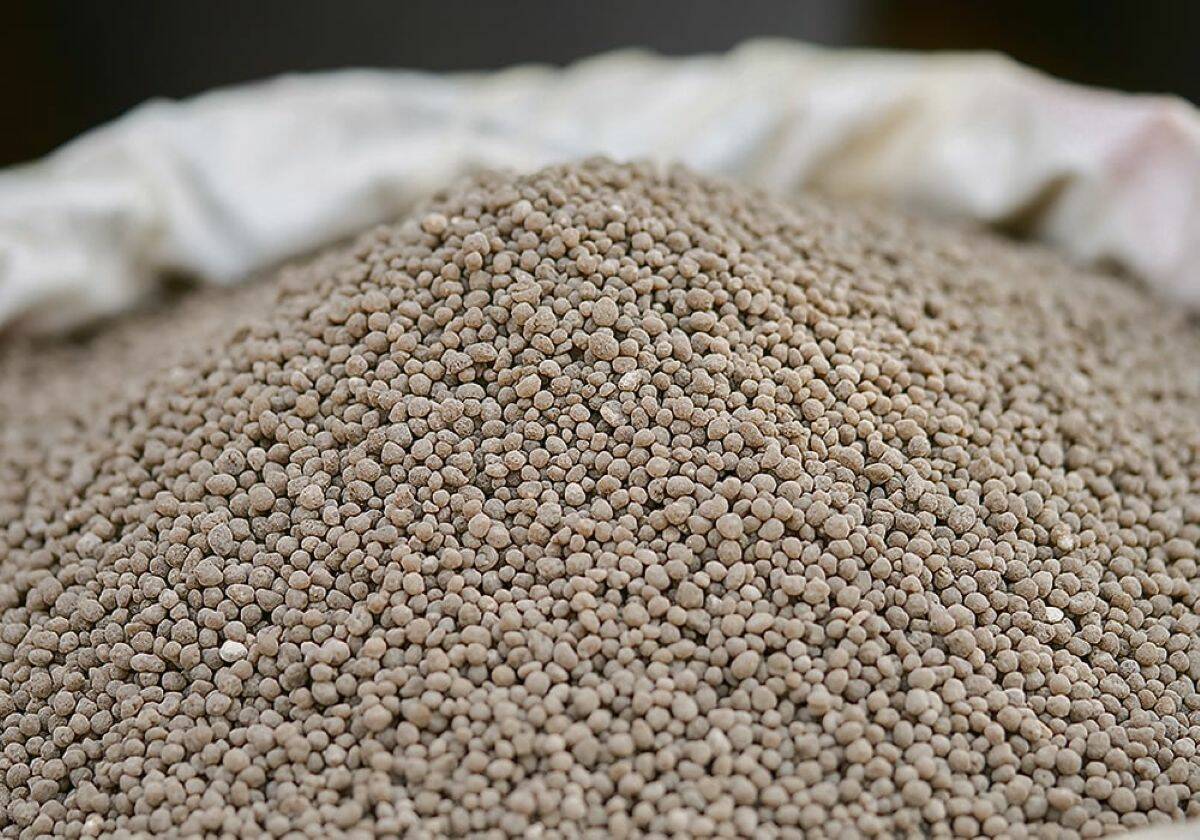
Moroccan fertilizer maker OCP expects output to drop 30 per cent in Q2, sources say
State-owned Moroccan phosphates and fertilizer producer OCP expects its output of soil nutrients to fall by about 30 per cent in the second quarter due to maintenance works.
“Where before there was no significant impact of the El Niño phenomenon, now they are occurring with more intensity.”
Gonzalez said temperature changes from one to the other will be faster, with a La Niña expected for the second half of this year, replacing the El Niño that is starting to weaken.
El Niño and La Niña hit different parts of the world distinctly. In Latin America they have affected crops such as wheat, soy and corn, damaging regional economies often highly dependent on farming.
“We are permanently breaking records at the local, national and global level in temperature anomalies,” said Gonzalez.
Temperatures are estimated to be above normal in much of South America, although below normal on the coast of Ecuador, northern Peru, and southern Argentina and Chile.
With the recent El Niño, Peru had the warmest winter in the last 60 years, according to CIIFEN, while in Colombia, temperatures reached records in different parts of the country.
Argentina and Chile saw more rain, which in the former helped soy and corn production after a drought the year before.
—Reporting for Reuters by Marco Aquino and Reuters Television