
Chicago | Reuters—Chicago Mercantile Exchange (CME) feeder cattle futures rose on Tuesday as market players anticipated a constricted supply of cattle and awaited a monthly cattle supply report later in the week, traders said.
Live cattle and lean hog futures ticked lower on technical selling and profit-taking after recent multi-month highs.
A Reuters poll released ahead of the U.S. Department of Agriculture’s monthly Cattle on Feed report showed analysts expect U.S. November cattle placements to be 5.1 per cent lower than last year.
Read Also
CBOT Weekly: USDA predicts declines in planting intentions
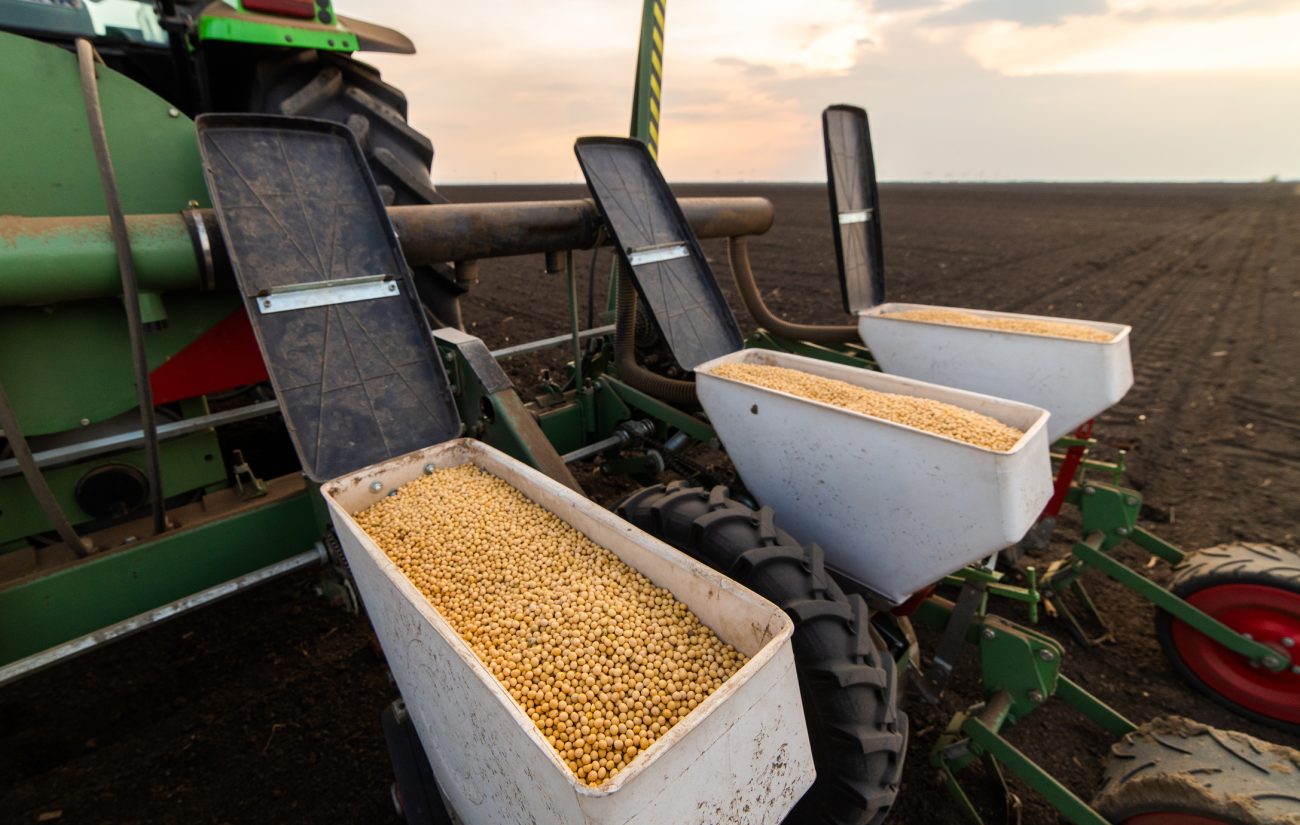
Declines in projected planting intentions for 2026/27 were not as big as the market expected, after the United States Department of Agriculture released its estimates on March 31. The USDA also issued its quarterly grain stocks report with stocks for soybeans bigger than anticipated, while those for corn were smaller and wheat virtually matched the average trade guess.
“Feeder cattle had a pretty good day anticipating bullishness in the Cattle on Feed report,” Dennis Smith, broker at Archer Financial Services, said. “We’re setting this market up for a very tight feeder cattle supply.”
The USDA’s report will be released on Friday at 2000 GMT (2 p.m. CST).
CME January feeder cattle FCF25 settled up 1.925 cents at 257.475 cents per pound. February live cattle LCG25 ended 0.225 cent lower at 189.750 cents per pound. February lean hog futures LHG25 settled 0.350 cent lower at 83.200 cents per pound.
High-quality wheat pasture in the U.S. Plains has disincentivized producers from sending cattle to feedlots, helping to tighten the national supply of feeder cattle, traders said.
The U.S.-Mexico border remains closed to cattle imports after the discovery of New World screwworm in southern Mexico.
Maggots from screwworm flies burrow into the skin of living animals, causing serious and often fatal damage, and the U.S. is working to block the pest that has spread through Central America.
Though the USDA has signaled the border will reopen for Mexican cattle imports in the New Year, traders say tight safety protocols will mean a slow flow of imports.
“Protocols may be very careful and cautious, and these cattle are going to have to sit at the border and be tested to make sure they don’t have screwworm. That’s going to slow everything down,” Smith said.