

La Niña conditions are present and there is a 59 per cent chance of it persisting through February-April 2025, with a 60 per cent chance of transition to ENSO-neutral conditions during March-May 2025, a U.S. government forecaster said on Thursday.
“The North American Multi-Model Ensemble (NMME) predicts slightly cooler sea surface temperature (SST) anomalies with La Niña persisting through February-April 2025,” the National Weather Service’s Climate Prediction Center (CPC) said in its monthly forecast.
A transition to ENSO-neutral, a cycle between El Niño and La Niña weather patterns, is likely during March-May 2025, the CPC said, adding that there is a 60 per cent chance of this happening.
Read Also
War is increasing food prices, insecurity say IMF, World Bank and UN food agency
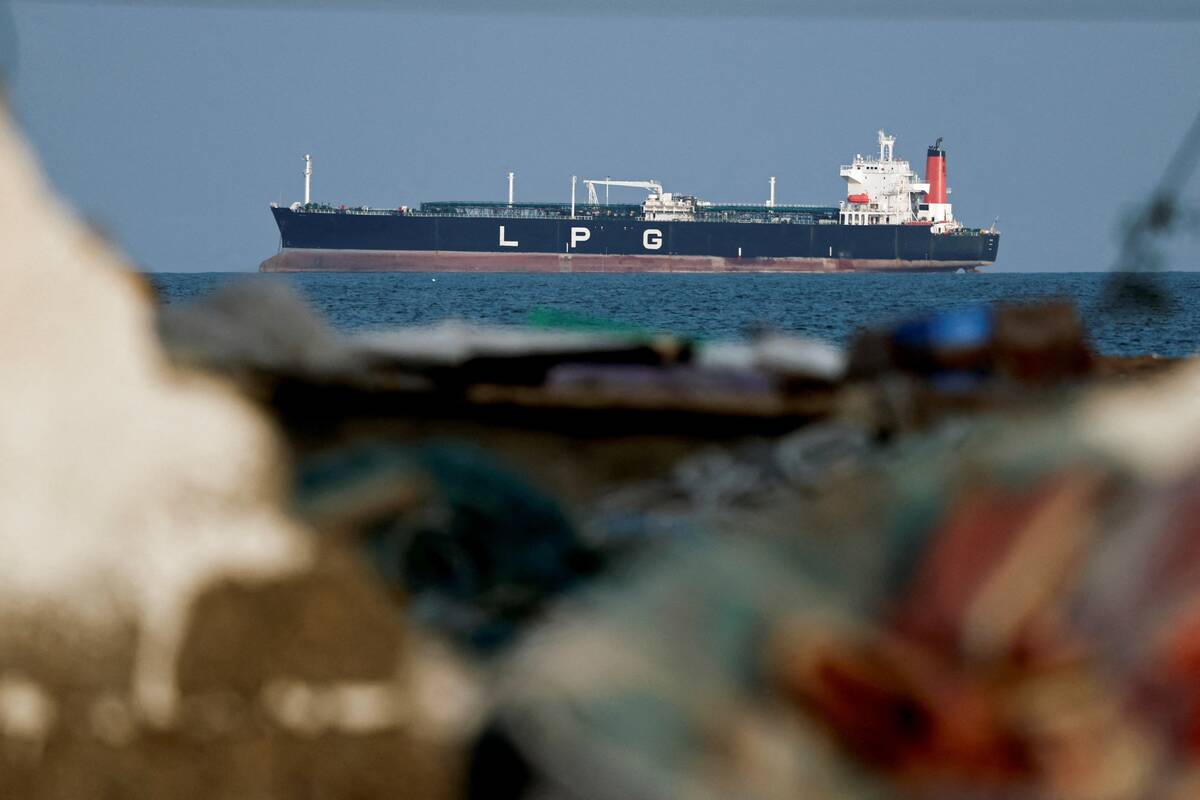
The World Bank, International Monetary Fund and the U.N. World Food Programme warn that sharp increases in oil, natural gas and fertilizer prices triggered by the war in the Middle East will cause rising food prices and food insecurity.
El Niño is a natural warming of eastern and central Pacific Ocean surface temperatures, while La Niña is characterized by colder temperatures in the equatorial Pacific region.
Recent dry weather linked to the La Niña weather pattern has started to dent soybean and corn crops in Argentina, but rain forecast to arrive in mid-January should bring relief to the core farm region.
“With La Niña conditions not being consistent this winter, there will be more frequent and longer dry periods that could impact the critical crop growing periods,” said Tyler Roys, Senior Meteorologist, Lead European Forecaster at AccuWeather.
“The challenges that are going to be faced in the first half of 2025 in the southern Hemisphere is going to be soil moisture levels, especially in South America… If drier conditions spread across more of Brazil during the rest of winter, this is going to impact the winter crop.”
— Reporting by Anjana Anil in Bengaluru