
A brief period of La Niña conditions is favoured in the fall and early winter 2025-26 before reverting to a more stable El Nino-Southern Oscillation (ENSO) neutral, the U.S. Climate Prediction Center said on Thursday.
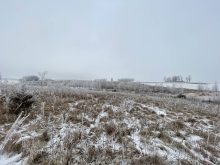
“The ENSO neutral typically results in a drier central/southern U.S. Plains in winter, so this will likely affect the new winter wheat crop there,” said Donald Keeney, agricultural meteorologist at Vaisala Weather.
“However, it is a bit more favorable for South America. This should result in increased plantings and favorable conditions, at least early in the season, for both central/northern Brazil and Argentina,” he added.
Read Also
War is increasing food prices, insecurity say IMF, World Bank and UN food agency
The World Bank, International Monetary Fund and the U.N. World Food Programme warn that sharp increases in oil, natural gas and fertilizer prices triggered by the war in the Middle East will cause rising food prices and food insecurity.
The U.S. weather forecaster added that ENSO-neutral conditions are most likely in the late Northern Hemisphere summer of 2025, with a 56 per cent chance during August to October.
La Niña is part of the El Nino-Southern Oscillation (ENSO) climatic cycle, which affects water temperatures in the central and eastern Pacific Ocean.
La Niña results in cooler water temperatures, increasing the chances of floods and droughts, which can impact crops. When ENSO is neutral, water temperatures stay around the average level, leading to more stable weather and potentially better crop yields.
Meanwhile, Japan’s weather bureau said this week that there was a 60 per cent chance that the La Niña phenomenon would not occur and normal weather patterns would continue towards the Northern Hemisphere winter.
— Reporting by Noel John in Bengaluru