
The Alberta government has changed how it will manage wild boar.
On Dec. 1, 2025, amendments were made to the Pest and Nuisance Control Regulations. New restrictions have been placed on keeping wild boar in captivity and hunting them in the wild.
WHY IT MATTERS: Wild boar at large are a problem across Alberta, but some producers operate wild boar farms in the province.
Read Also
Scientists discover cause of pig ear necrosis
After years of research, a University of Saskatchewan research team has discovered new information about pig ear necrosis and how to control it.
Wild boar are considered a pest in all circumstances. It is now illegal to keep, import, purchase, obtain, export or sell wild boar. Disposing or transporting wild boar or wild boar hybrids without a permit is also illegal. No new wild boar farms will be permitted in Alberta.
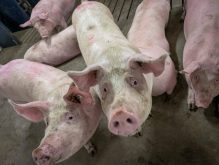
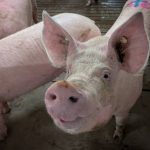
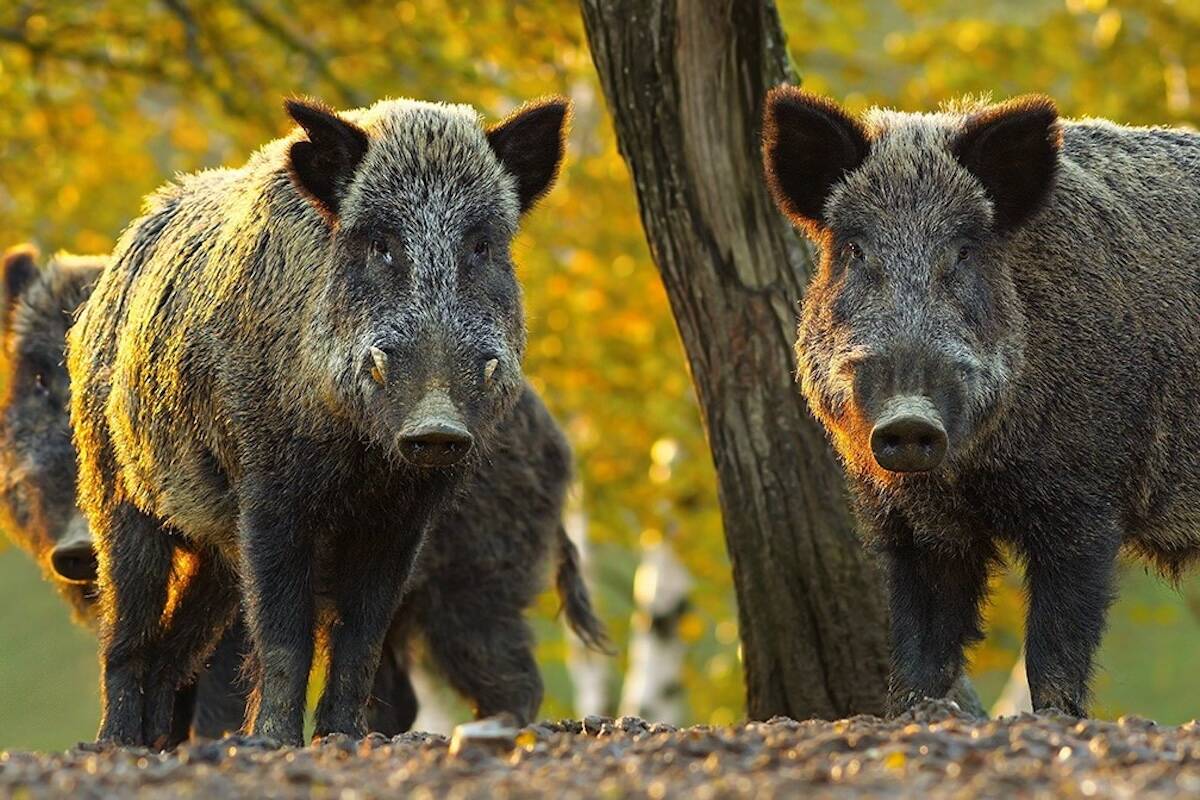
Wild boar are an invasive species, and a provincially regulated agricultural pest in Alberta. They are a Eurasian wild pig that was introduced to the province. Wild boar can also be hybrids created by the mating of wild boar with domestic pigs.
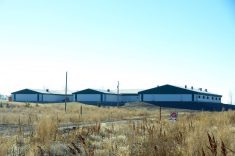
Wild boar were brought to the Prairies in the late 20th century to be raised as livestock. However, many escaped and began establishing feral populations. Wild boar sightings have been common around Mayerthorpe and in the Peace Country. There are currently 12 wild boar farms in Alberta.
Environmental risks and disease threats
The changes have been made due to the dangers posed by existing wild boar populations and risks associated with more escaping from captivity.
The animals can damage crops, property, pastures and the environment, and can be dangerous for both people and animals. They can cause serious damage to land by ripping it up through a process called rooting.
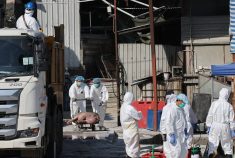
Wild boar can be a serious risk for the introduction and spread of disease, including African swine fever and foot and mouth disease. They go to wetlands to cool off and can contaminate water with various diseases. The animals can cause financial issues for the pork industry, the larger livestock industry and trade deals.
Landowners are required to control or destroy pests and prevent them from establishing themselves on the land.
Hunting restrictions and compensation programs
The only people who can now hunt wild boar are landowners or land occupants who hunt on their own land. Any person who kills a wild boar must report the date, location and number of boar killed to the province as soon as possible.
The province has provided options for wild boar owners to keep their animals under stricter conditions or get compensation from the government to exit the industry. The province will pay $590 per boar, along with a per-linear-foot compensation for fences as part of the Wild Boar exit program.
The compensation program is expected to cost about $2.6 million, with $3 million allotted for wild boar management in this year’s provincial budget.
The animals are active at night and roam through densely forested habitat, so it is hard to do aerial surveys, know how many are active in the province and where they are located. They also have large litters and reproduce quickly.
People who spot wild boar should try to safely take a picture, note the location and fill in the online reporting form.
More information on wild boar can be found at Alberta Invasive Species Council “Squeal on Pigs!”.