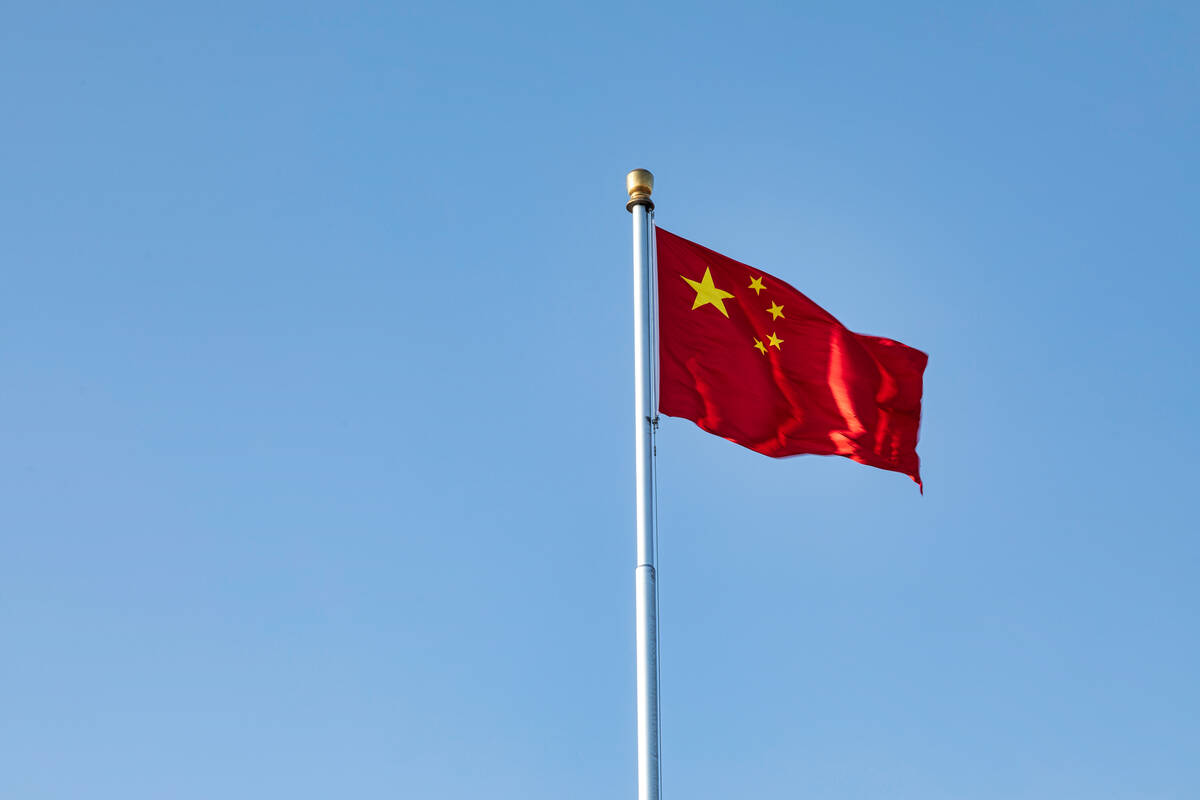
Beijing | Reuters — China will stabilize grain and oilseed output, diversify agricultural imports and increase support for farmers, state media reported on Tuesday, citing a government rural policy blueprint aimed at ensuring food security.
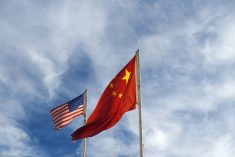
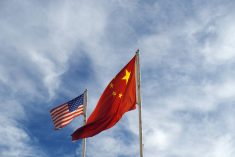
The State Council’s “No. 1 document” comes as China prepares its next five-year plan amid trade friction with major food suppliers such as the U.S. and Canada, alongside a domestic economic slowdown and climate challenges.
Although China recorded record grain output last year, it remains heavily reliant on imports. Trade tensions, particularly with the U.S., have accelerated efforts towards self-sufficiency, including investments in machinery and seed technology.
Read Also
Brazil soybean planting outlook hinges on Middle East war, says Agroconsult
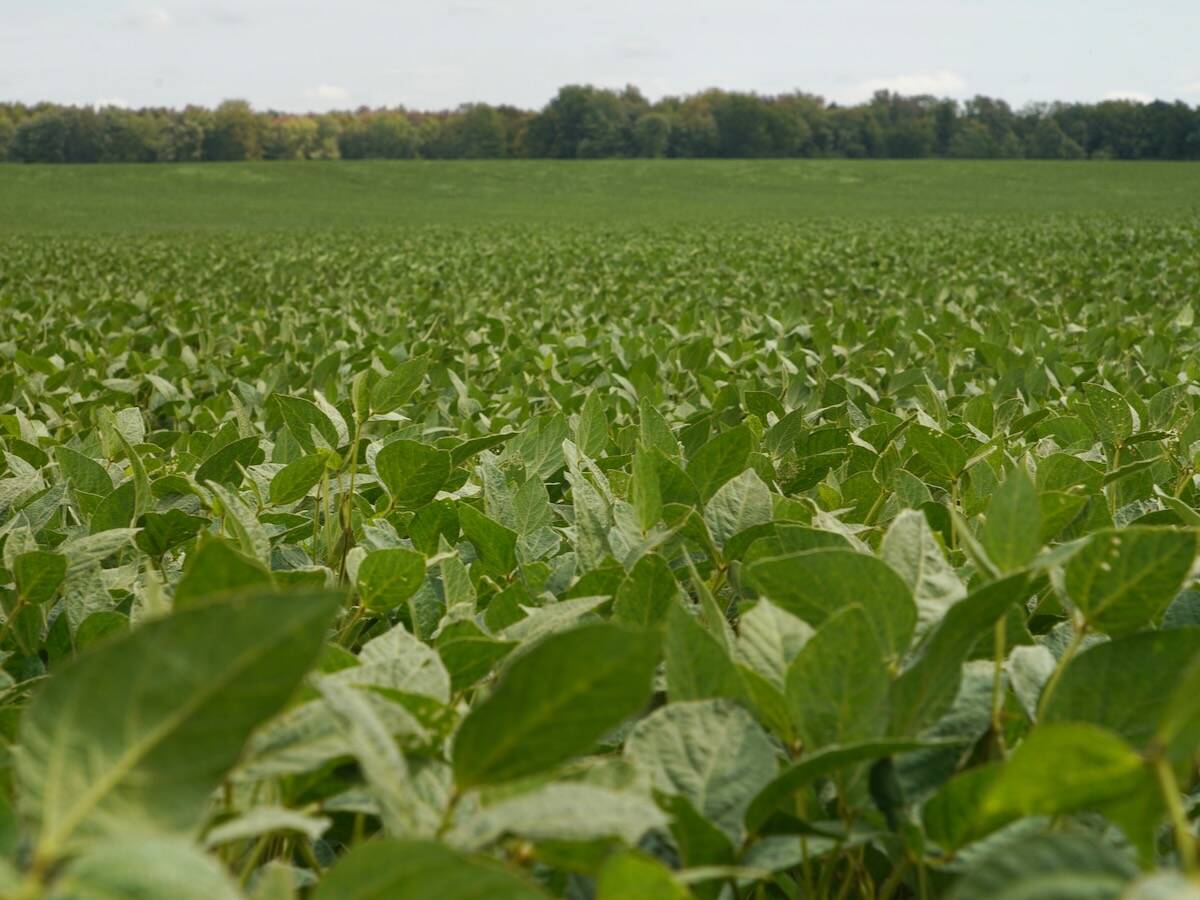
Brazil’s soybean planting area is expected to remain stable in the upcoming 2026/27 season, but the scenario depends heavily on how long the U.S.-Israeli war on Iran lasts, agribusiness consultancy Agroconsult said on Wednesday.
Diversification push
The No. 1 document mentions diversification three times, up from once in 2025, highlighting plans to expand oilseed supplies, diversify the food system, and broaden agricultural imports.
China’s push to diversify agricultural imports could cut reliance on traditional exporters and expand trade with the Global South, said Even Rogers Pay, director at Beijing-based consultancy Trivium China.
“(The increased emphasis on diversification) tells us central policymakers increasingly view diversification as a strategy to make China’s food system more secure, and more resilient when shocks like natural disasters or trade wars occur,” Pay said.
On soybeans, the plan shifts from consolidating expansion gains in 2025 to consolidating and enhancing production capacity, signalling a greater focus on yield and quality rather than planting area, she said.
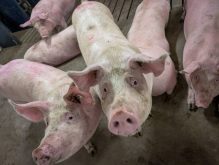
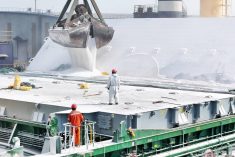
Beijing has been cutting reliance on U.S. soybeans — which are processed into feed for China’s large pig herd — since the first trade war, while boosting domestic production to bolster food security. U.S. soybean market share in China fell to 15 per cent in 2025, down from 41 per cent in 2016.
Agri-tech innovation
China plans to foster internationally competitive agricultural enterprises, support the expansion of key and specialty agricultural exports, crack down on agricultural product smuggling, and engage in global agricultural and food governance, the document said.
It also outlines measures to boost agricultural innovation, including strengthening research platforms, backing leading agri-tech firms, advancing industrialized biotech cultivation, integrating AI with farming, and cultivating specialized agricultural talent.
Stabilizing meat sector
China aims to strengthen pork production management, support beef and dairy sectors, and promote dairy consumption, the document said.
The meat sector has been hit by oversupply and low prices, squeezing producers’ margins. The government has rolled out measures to stabilize the industry, including a quota system on beef imports and tariffs on EU dairy products.
— Reporting by Beijing Newsroom, Ella Cao and Lewis Jackson