
WHY IT MATTERS: Many beef cattle producers overlook pasture soil fertility, but targeted fertilization and regular soil testing can dramatically increase forage yields, reduce nutrient loss, and boost overall farm profitability.
A University of Guelph-funded global study tracking 61 unfertilized grassland sites across six continents over 15 years found that fertilization increased pasture biomass by an average of 43 per cent.
Read Also
Don’t let winter deplete your cows vital vitamin A reserves
Boost your calving season success: prevent weak calves and maintain gestating cow health by fortifying winter beef diets with vitamin A.
A three-year forage fertility trial at Elora conducted through the Ontario Forage Network produced similar findings.
The U of G study, part of the university’s Food From Thought program, underscores what many agronomists have long suspected: pasture fertility is one of the most underutilized levers in beef cattle production.
“Improved pasture fertility can absolutely bring improved yield — and improved production, which can absolutely enhance that pasture,” said Colin Elgie, soil fertility specialist for the Ontario Ministry of Agriculture, Food and Agribusiness (OMAFA), speaking during the Beef is ON fall webinar series.
How pasture fertility differs from row crops
Unlike row crops, pastures draw down soil fertility more slowly. However, several factors still deplete nutrients over time:
- Organic matter breakdown
- Soil pH changes from precipitation and erosion
- Nutrient removal through harvesting, grazing, and manure management
The scale of removal depends on production type. Removing two tons per acre of grass-legume hay strips approximately 80 lbs. of nitrogen (N), 22 lbs. of phosphorus (P), and 90 lbs. of potassium (K) per acre. By contrast, cow-calf stocking at a half pair per acre removes only 5 lbs. N, 3.4 lbs. P, and 0.6 lbs. K per acre.
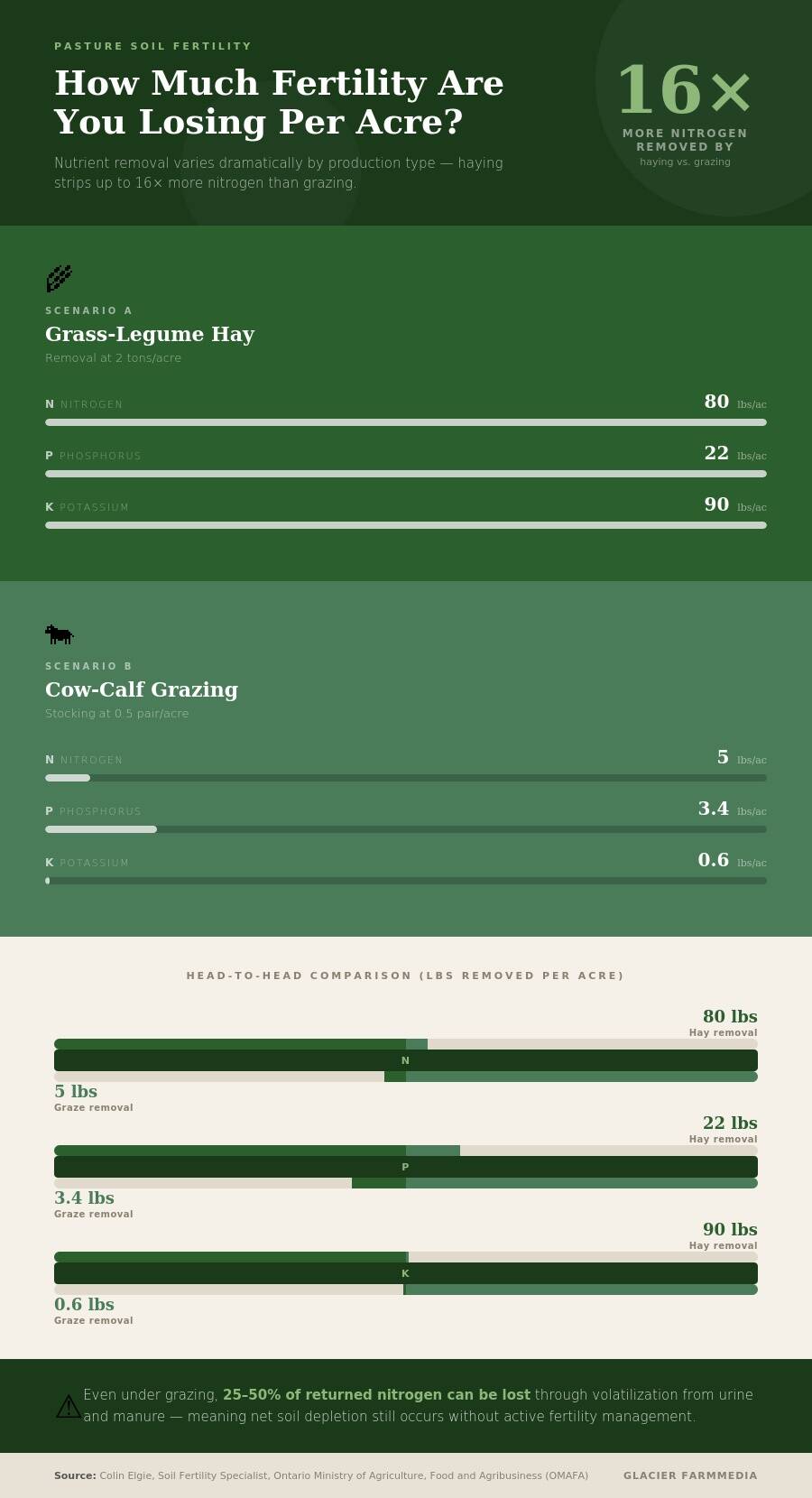
“We’re actually taking more off the field, but through urine and manure, that nitrogen is returning,” Elgie explained — though he noted that a quarter to half of that nitrogen can be lost through volatilization.
Livestock meat and milk production also removes roughly 10 to 30 per cent of ingested phosphorus and potassium from the field.
Why soil testing is the critical first step
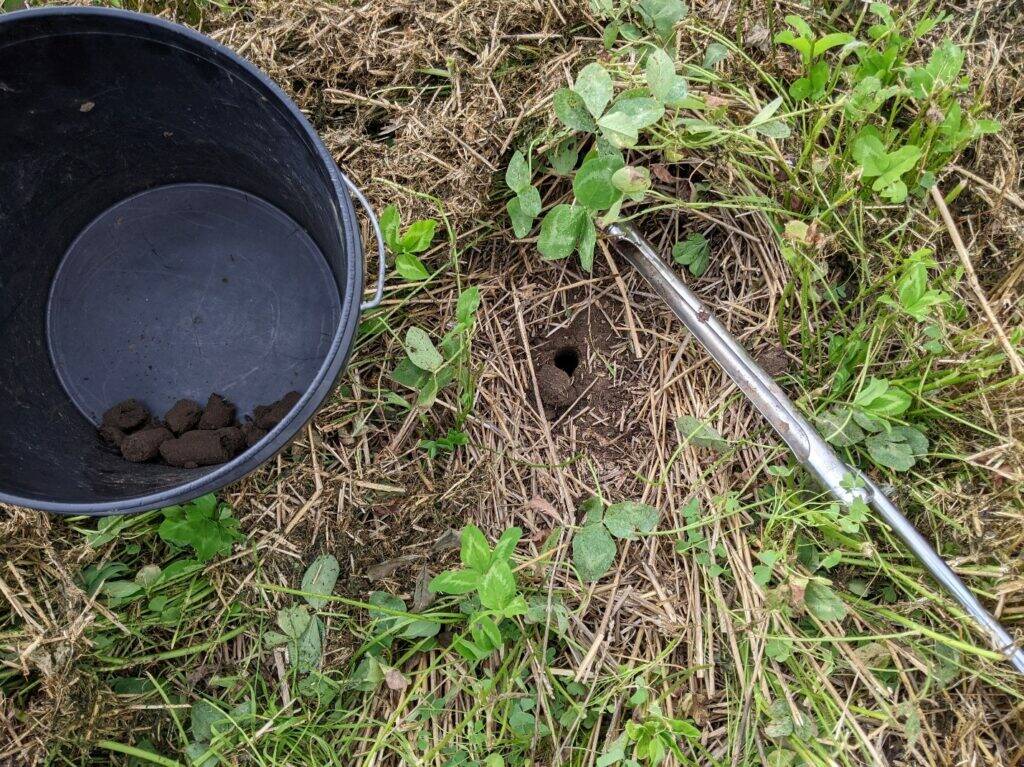
Elgie emphasized that no single fertilizer program fits every pasture — making soil testing essential before any fertility decisions are made.
Proper soil sampling technique matters as much as frequency. Key guidelines include:
- Frequency: Sample every four to five years
- Cores: A minimum of 20 cores per field, taken in a zig-zag pattern
- Depth: Six inches, to capture the nutrient-rich root zone
- Tools: Use stainless steel probes and plastic pails — avoid galvanized metal tools, as zinc can leach into soil and skew nutrient analysis
- Labelling: Clearly and correctly label each sample
“We want that nutrient-rich zone where the majority of the roots are, the majority of the nutrients are, to really get a good analysis of what’s going on,” Elgie said.
Putting soil test data to work
Once producers have soil test results, Elgie recommends using OMAFA’s AgriSuite tools to:
- Input soil test results
- Generate crop-specific nutrient recommendations
- Estimate nutrient removal rates under grazing or haying scenarios
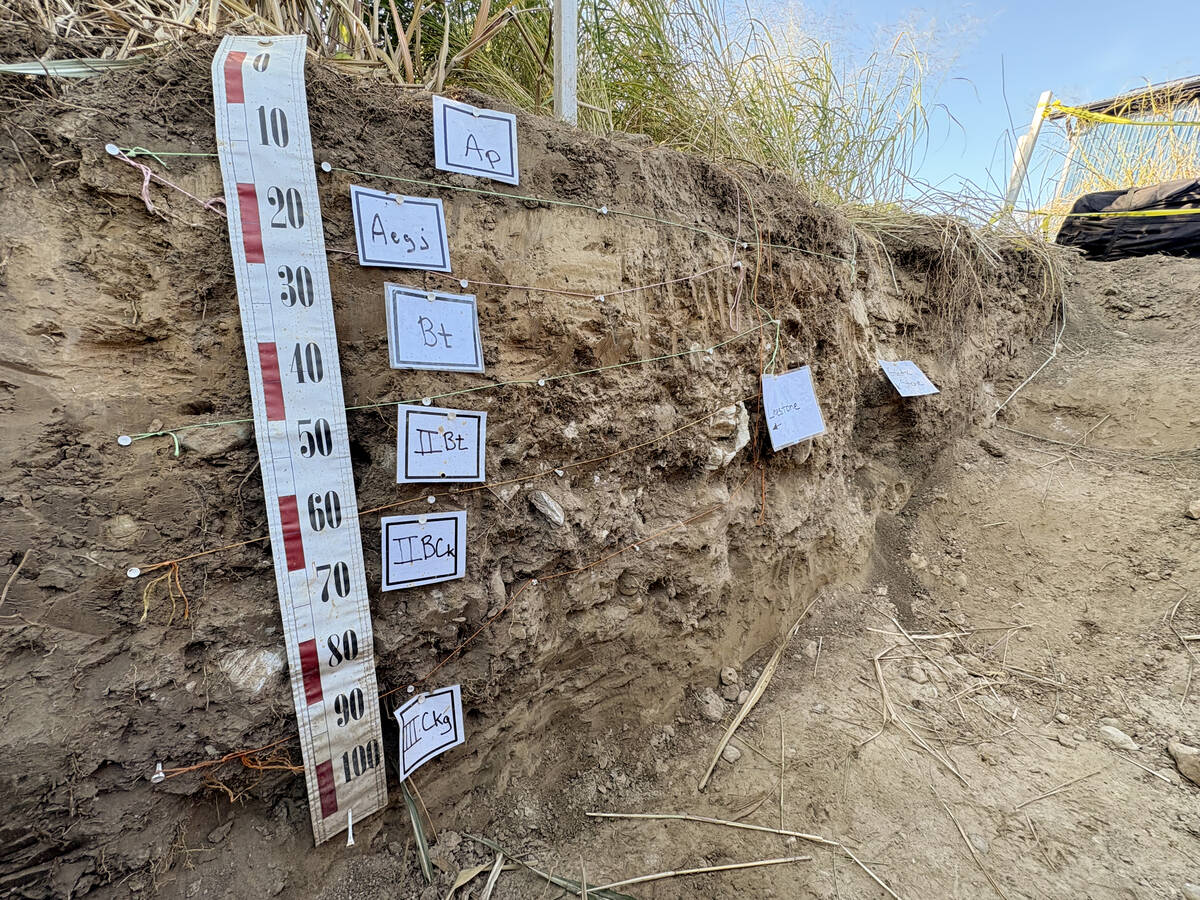
Sampling helps identify deficient and limiting nutrients, monitor fertility shifts over time, guide lime decisions, and prevent both over- and under-fertilization — a critical consideration, since pastures rarely have uniform fertility across a field.
Bottom line for beef cattle producers
Soil fertility management is not a one-time fix. It requires consistent monitoring and a willingness to tailor fertilizer programs to individual pasture conditions. But the return on investment — in the form of higher forage yields, healthier pastures, and stronger farm profitability — makes it one of the most cost-effective management tools available.
“One fertilizer program is not really going to fit every single pasture,” Elgie said.