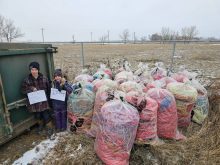



Albertan farmers and ranchers completed a record number of Environmental Farm Plans (EFPs) in 2025.
Last year marked the highest participation in the program’s history. The EFP program guides producers through an assessment of their operation and helps them identify practical actions to reduce risks to the environment. Albertan producers who engage in the program complete comprehensive plans that lay out their priorities for environmental stewardship.
WHY IT MATTERS: Environmental Farm Plans can not only identify and address potential environmental risks on your farm, but it can also open doors to market opportunities and cost-sharing funding.
In 2025, a total of 1,121 EFPs were completed, the highest number in the program’s history. The program has been growing steadily over the past five years. Over 33 per cent of agricultural acres in Alberta are covered by a valid EFP that has been approved in the last 10 years.
The EFP encourages producers to adopt farming practices that protect soil, water, air and biodiversity while strengthening farm sustainability. It is a comprehensive tool that helps producers look at their farm in new ways and implement environmental practices.
Read Also
From soil to stall: the digital platform closing the data gap in methane reduction
Maxime Leduc’s ‘My Forage System’ helps livestock producers boost profitability and slash emissions by finally connecting field data to animal performance.
Lisa Nadeau, Program Director with the Alberta Environmental Farm Plan, said Albertan producers have a long history of strong environmental stewardship and the EFP gives them a way to demonstrate that work.
The large number of participants reflects the commitment Alberta farmers and ranchers have for their land and ensures continuous improvements for the landscape in the future.
“This milestone reflects the steady, hands-on stewardship Alberta producers bring to managing their land and operations,” said Kate Lovsin, EFP program coordinator, in a press release.
“Producers trust us to keep their information confidential and treat it with care. Their plan belongs to them alone, and their participation demonstrates the practical, everyday steps they’re taking to build resilience in their farms and support the environment.”
The EFP process helps producers meet regulatory and market expectations but also supports access to cost-sharing funding for on-farm improvements.
The EFP program is a voluntary, online planning initiative.
For information about the Environmental Farm Plan program and how to participate, visit albertaefp.com

Fast Facts: 2025 Alberta Environmental Farm Plans
- 1,121: Total EFPs completed in 2025 — a new provincial record.
- 1 in 3: Acres of Alberta farmland now covered by a valid EFP (33 per cent +).
- 100 per cent confidential: Producer data is kept private and stays with the farm owner.
- Top focus: Protecting soil, water, air, and biodiversity.
- Key incentives: Direct access to cost-sharing funding and new market opportunities.
Sources: Alberta Environmental Farm Plan (EFP) program data, 2025; Kate Lovsin, EFP program coordinator, 2025 media release.
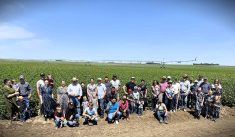
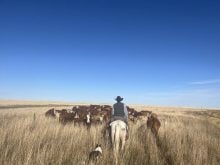
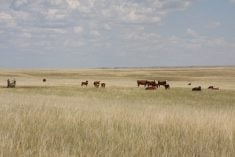
Image courtesy ARECA