
There’s nothing like a good crisis to drive innovation.
Financial pain can bring technologies and practices that were peripheral for many into sharp focus.
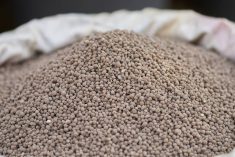
The rapid rise in fertilizer costs has been marked and could be the difference between profit and loss for some farmers this summer.
Read Also

OPINION: Agriculture needs to lead its own solutions
Cam Dahl argues Canadian agriculture must break out of commodity silos and present united policy solutions to government.
I’m curious to see if it will drive changes on farms.
Farmers don’t want to skimp on nitrogen as it is a major driver of yields, so they will err on the side of applying more than less.
A significant amount of money has been spent on fertilizer innovation, particularly in the area of nitrogen, over the past decade. Most of those solutions have a place, but aren’t mainstream.
Soil testing is the starting point
The easiest way to manage fertilizer is to soil test. I’ve heard recent stats that less than 40 per cent of farmers soil test. You can’t manage what you can’t measure.
John Grieg
“I’ve heard recent stats that less than 40 per cent of farmers soil test. You can’t manage what you can’t measure.”
Technologies moving from margins to mainstream
Variable-rate fertilizer is a technology that isn’t new, but it’s likely to gain more usage this year, as farmers think carefully about how better to manage the expensive input. This is a technology that won’t likely save you a lot in fertilizer costs, but it could help bump yield to pay for it.
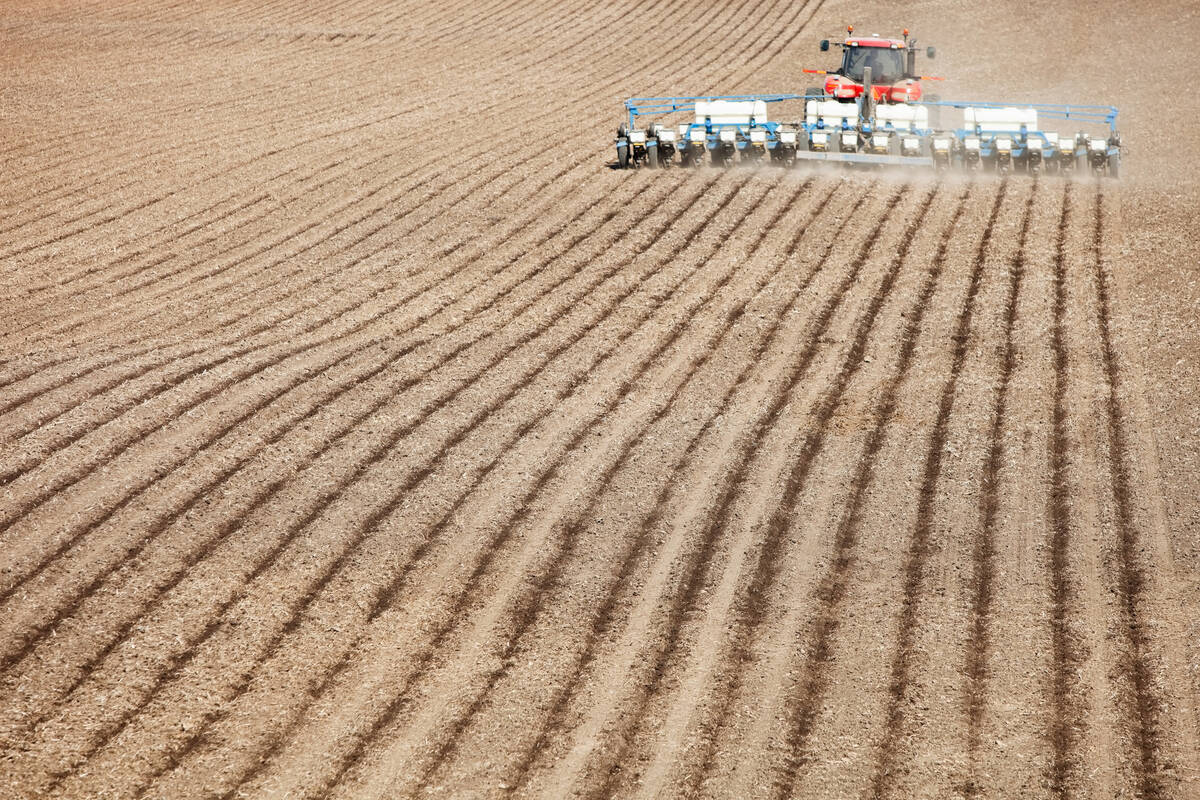
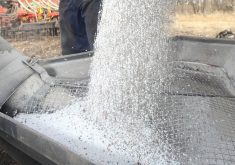
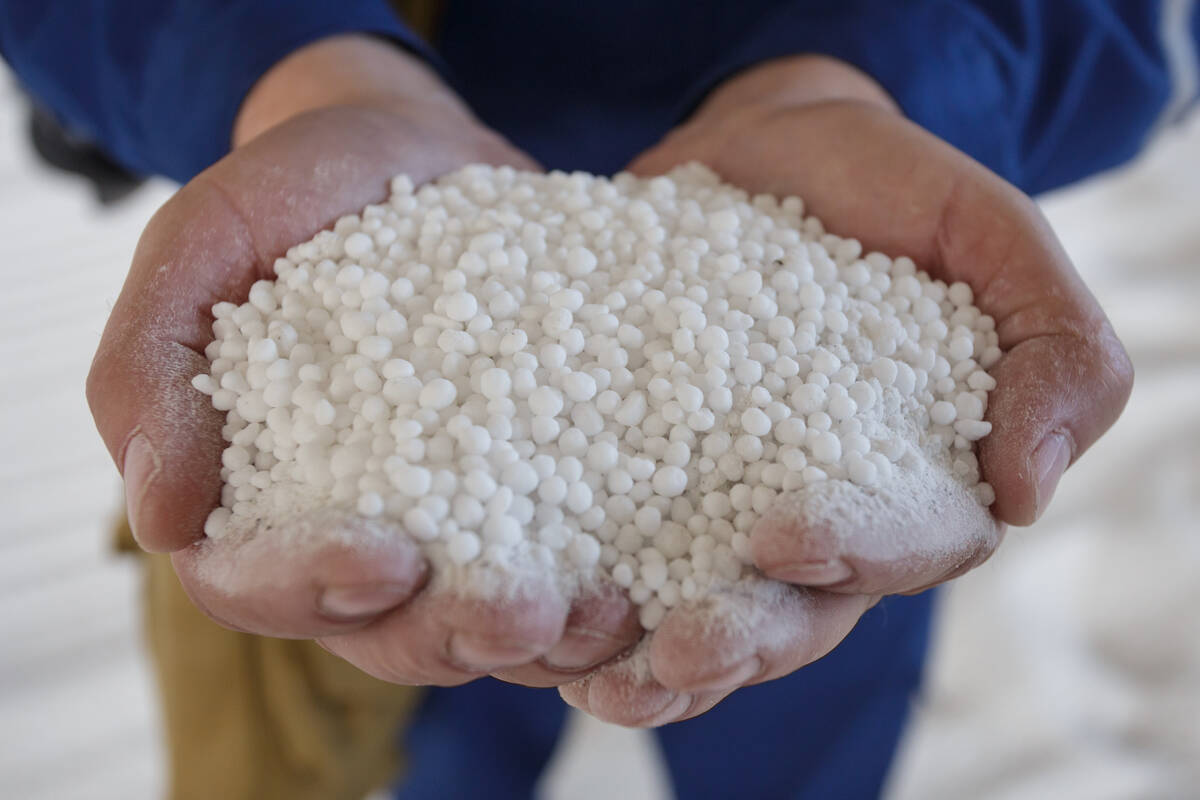
Encapsulated fertilizer is another option to improve nitrogen use efficiency. Coating urea keeps it in place longer, hopefully so it’s there when the corn plant roots need it. The value is that the nitrogen is released slower and therefore doesn’t leach away and more of it is used by the crop.
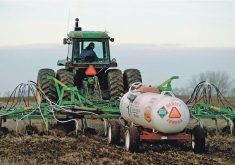
Another practice that’s received mixed reviews is the split application of nitrogen. Instead of applying a full season of nutrients at planting, with a spreader and/or planter, 30 to 50 per cent might be applied at planting, then multiple other applications can be made, such as a sidedress at the V4 to V6 stage of corn. Wheat can also be sidedressed. Other farmers leave some of the nutrients to be added, if needed, up until pre-tassel, using high clearance sprayers with tubes that drop the nutrients at the soil level.
This practice is valuable for saving nitrogen, as the corn is usually tissue tested to ensure that the extra fertilizer is actually needed. Some years it will be, and there won’t be savings, but some years there will be.
Programs to support experimentation
There are programs to help with experimentation with nitrogen usage.
Farmers for Climate Solutions is administering an interesting program that helps guarantee a profit if you take the risk of using a second nitrogen application.
With today’s urea price, it’s likely worth the risk of a second N application, later in the season, but a program like this can make experimentation worthwhile.
How are you managing the high cost of nitrogen this year? Are you standing pat, or trying something new?