Consumers are starting the year with a little more jingle in their jeans thanks to the drop in oil prices.
“About six or seven per cent of people’s spending in a year is just on gasoline,” said Michael Burt, director of industrial economic trends with the Conference Board of Canada.
“If you’re suddenly giving people back two or three per cent of their expenditures, they’re able to spend on other things.”
So what kind of a bump might that mean for local food, particularly products that cost a little more because of the way they are produced?
Read Also
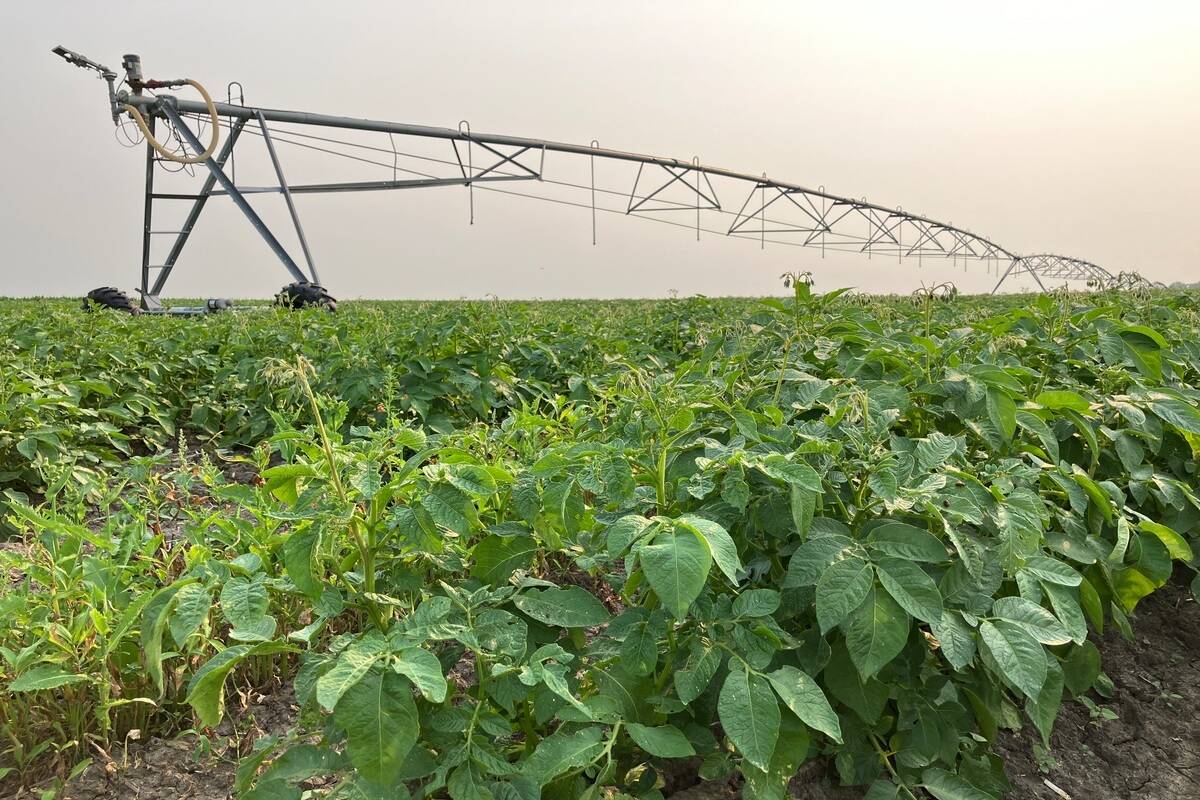
Alberta potato growers face rising costs, trade uncertainty and global competition
Alberta potato growers are navigating surging input costs, new global competitors, and an uncertain U.S. trade relationship.
Very little, said Burt.
“Food, in general, is a fairly stable consumer item,” he said. “We don’t see big swings in the amount of money that people spend on food.”
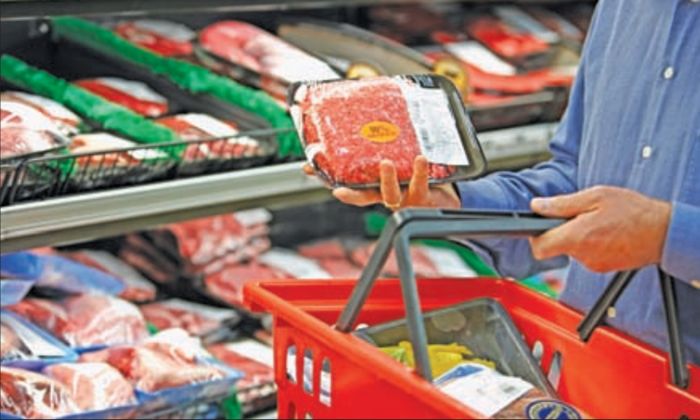
When money is tight, people tend to cut back on quality — buying ground beef instead of steak, for instance — but in general, people trim other areas of their budget before cutting back on food spending.
And when times are good, food spending is typically the last thing that gets increased.
“There is a small improvement in consumer spending on food when times are good, but it tends to be more cyclical things, like cars, that see much bigger ups and downs depending on economic conditions,” said Burt.
Consumers may start to shift from “commodity-based items” to “higher-quality, higher-priced” foods, like implant-free beef or organic produce, but the shift should be minor.
“It’s possible that there could be a benefit for food, but I wouldn’t overstate it. It’s likely to be very small.”