
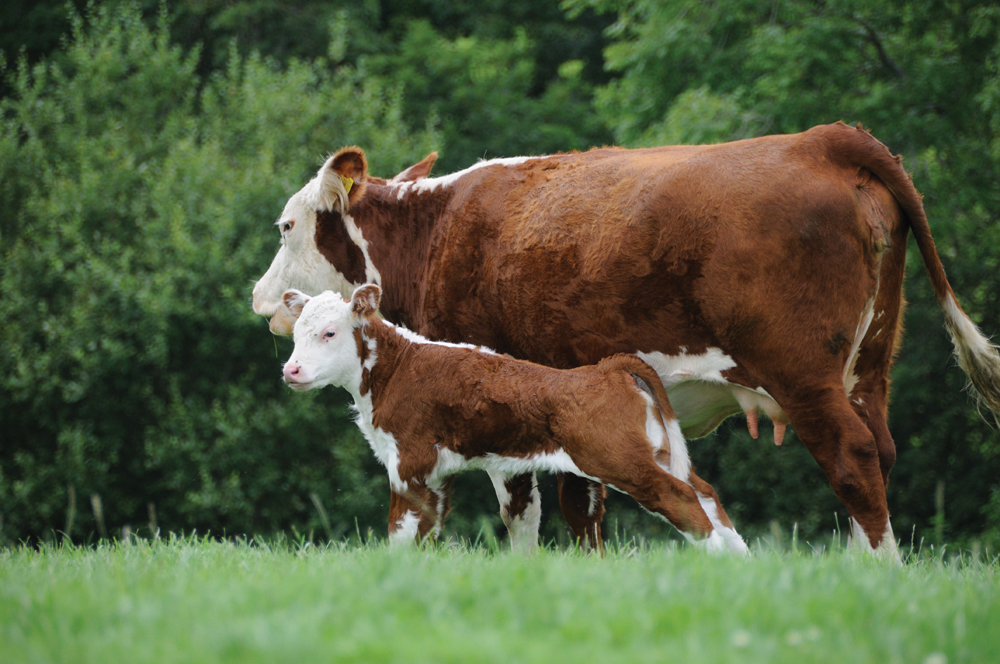
Calves that are fenceline weaned vocalize 50 per cent less, walk less, and have higher weight gains in the first 10 weeks post-weaning compared to conventionally weaned calves.
Fenceline weaning is nearly as effective as two-stage weaning at reducing signs of stress. With this method, cows and calves are separated by a fence but can still see, hear, and smell one another — and preferably also have nose-to-nose contact.
A Saskatchewan veterinarian who uses fenceline weaning with his own cattle, reports that calves weaned using low-stress practices have a treatment rate of only five to 10 per cent instead of the 25 to 30 per cent he sees in abruptly weaned calves.
Read Also
M.D. of Taber finalizes grazing lease overhaul after years of debate
New grazing rates, longer transition periods and stronger oversight of grazing associations emerged from a marathon nine-hour council session.
Fenceline weaning requires a strong-enough fence to keep calves and cows apart so four to six strands of barbed wire or page wire — or two to three strands of electric fencing (if calves are familiar with electric fences) — is recommended. Another option is to use a set of corrals on pasture, locking cows in and leaving the calves in the familiar environment. Fenceline weaning should last a minimum of three days.
Other low-stress weaning techniques include two-stage weaning (using anti-suckling nose tags) and employing quiet handling methods. For more information, go to www.beefresearch.ca.