
Commodity News Service Canada — Despite some concerns over quality, Canadian peas are holding their own on the international market, according to an industry watcher.
“I would think there’s going to be pretty good prices for peas coming down the pike. I think it will be pretty good. There’s been a very aggressive export program to India, a lot of peas have gone there,” said John Bennett, a farmer in Biggar, Sask. and board member of Saskatchewan Pulse Growers Association.
He adds that while it’s impossible to know whether imports will increase, they almost certainly will not go down.
Read Also
USDA attachés forecast some changes in China’s oilseeds, cereals
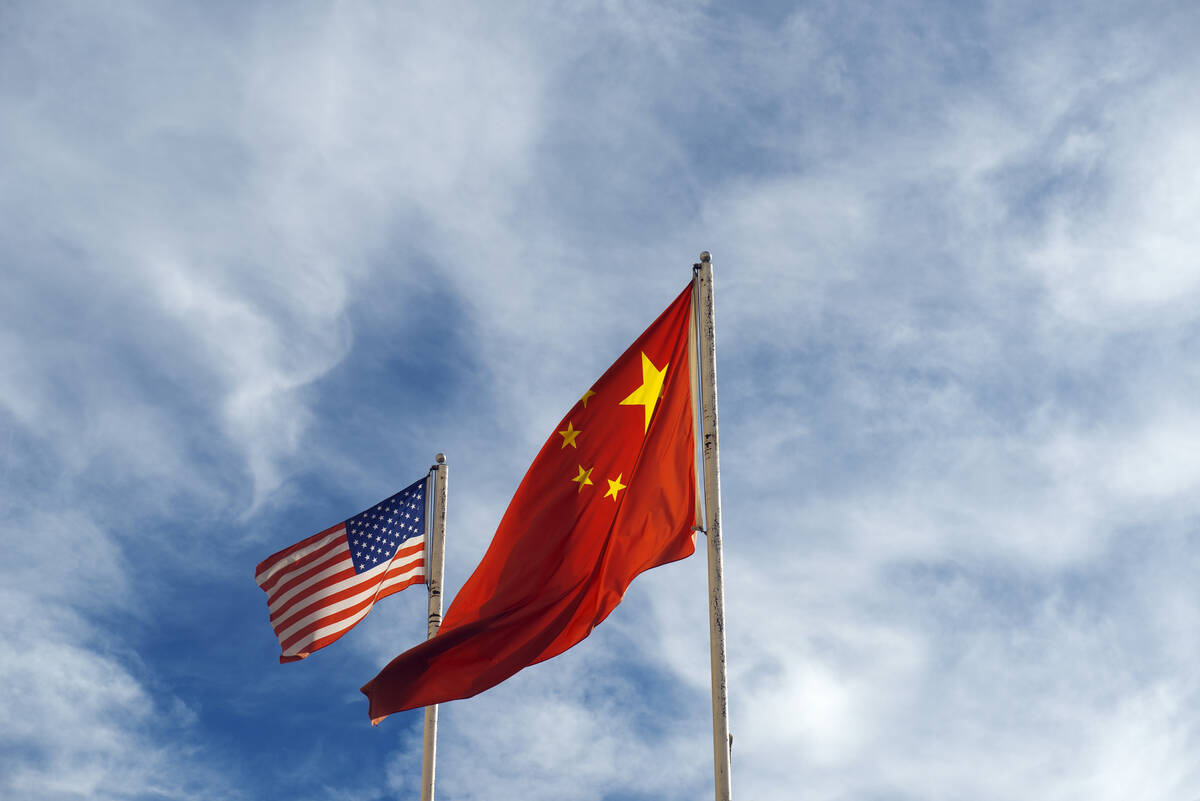
As China heads into the 2026/27 marketing year, the United States Department of Agriculture attachés in Beijing projected a few minor to moderate changes in the country’s soybean, canola, corn and wheat crops.
However, he acknowledges quality will be an overarching factor.
“The challenge is that growing season conditions were pretty wet and harvesting was certainly a challenge,” said Bennett, adding his area stayed relatively dry.
Spot prices for yellow peas are $6.00 to $6.50 per bushel while
green peas are listed at $8.50, according to the Prairie Ag Hotwire, as of November 4. While those numbers are lower than at the same time last year they are similar to price-points during the summertime.
Bennett is optimistic prices will hold, but acknowledges the quality will dictate what happens.
“If you look at StatsCan or Sask Ag, they both have projections about quantity but the rumours I’m hearing is that quality won’t be great,” he said.
According to an official with Saskatchewan agriculture, lodging, excess moisture, and in some cases dry conditions (which caused pea casings to crack) were all reported in various regions of Saskatchewan during this past crop year.