

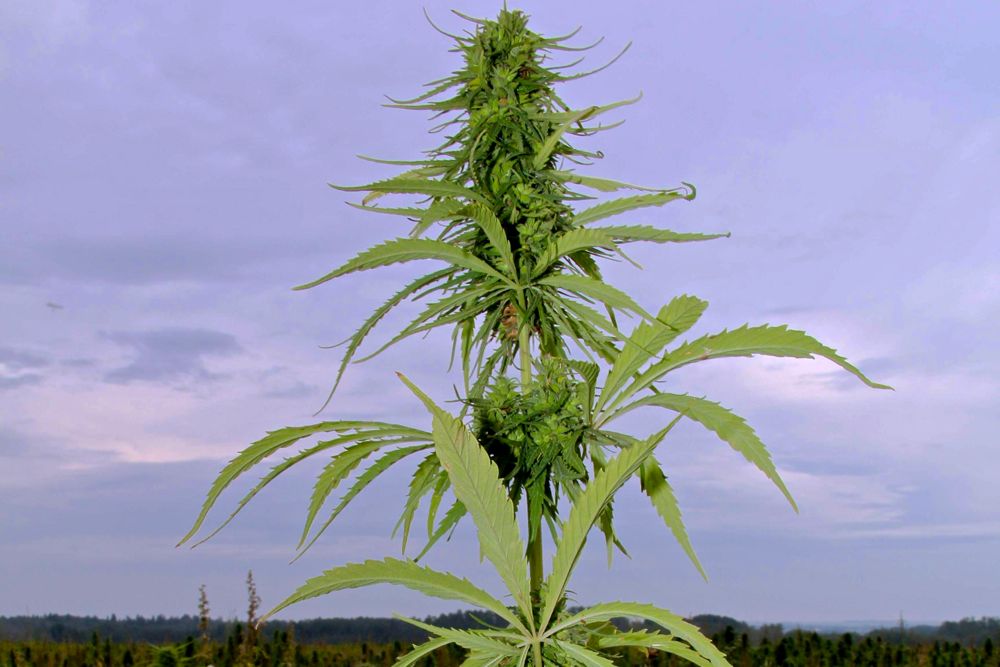
Ottawa | Reuters — Canadian marijuana companies, facing potential limits on advertising for recreational pot, are selling health food products and cultivating a lifestyle image to win customers in an anticipated multibillion dollar market.
Canada is set to become the first G7 country to legalize recreational marijuana nationally when it introduces legislation next spring. Medical marijuana is already legal.
If the government incorporates an expert panel’s recommendations, outlined on Tuesday, it could strictly limit advertising and require plain packaging on products.
That means companies will need to be creative to set themselves apart from the competition, with the advantage going to those who have already established a name, said Aaron Salz, founder of Stoic Advisory Inc., a cannabis advisory firm.
Read Also
JBS reaches deal with U.S. meatpacking workers who went on strike
JBS employees ratified a two-year labor agreement with the meatpacker after a three-week strike disrupted operations at a massive beef processing plant in Greeley, Colorado.
“If you’ve been able to build a brand presence ahead of potentially more restrictive rules on advertising, you’re going to have a leg up.”
Alternatives could include sponsoring events or companies putting their name on products other than cannabis, he said.
Medical marijuana producer Peace Naturals has a line of food products, such as hemp hearts, sold in health food stores. It is a strategy that owner Cronos Group, which is changing its name from PharmaCan Capital Corp., might consider for its other brands, said CEO Michael Gorenstein.
Gorenstein plans to use British Columbia-based In The Zone, which is licensed for medical marijuana cultivation, to appeal to the outdoor crowd when recreational use is legalized, with a focus on hiring like-minded employees to connect with customers.
“If you build a culture and recruit a group of people that really represent what your brand is, you don’t need to advertise,” said Gorenstein. “The brand recognition will follow.”
Wholesaler Supreme Pharmaceuticals Inc. is putting its focus on the quality of marijuana it grows. The end product is sold under other companies’ names, but Supreme gets a producer’s mark and is betting on customers recognizing where their marijuana came from and coming back for more.
“A good analogy would be Intel chips,” said CEO John Fowler. “Whether you’re buying an Apple or a Dell, you’re looking for Intel inside as a mark of quality.”
Canopy Growth Corp., which operates Bedrocan and Tweed, plans to use the potential plain packaging to educate customers about the strength and strain of marijuana they are buying, said CEO Bruce Linton.
“We were not going to be using swirly, psychedelic colors,” Linton said. “We’re going to be using the chance to put the name ‘Tweed’ on the package.”
Executives said education through events or customer service will be key. It is a strategy Olivia Mannix, CEO e of Colorado-based cannabis marketing agency Cannabrand, recommends.
“Be professional, that’s really the best advice,” said Mannix. “Have education and information behind your brand.”
— Leah Schnurr reports on the Canadian economy for Reuters from Ottawa.