

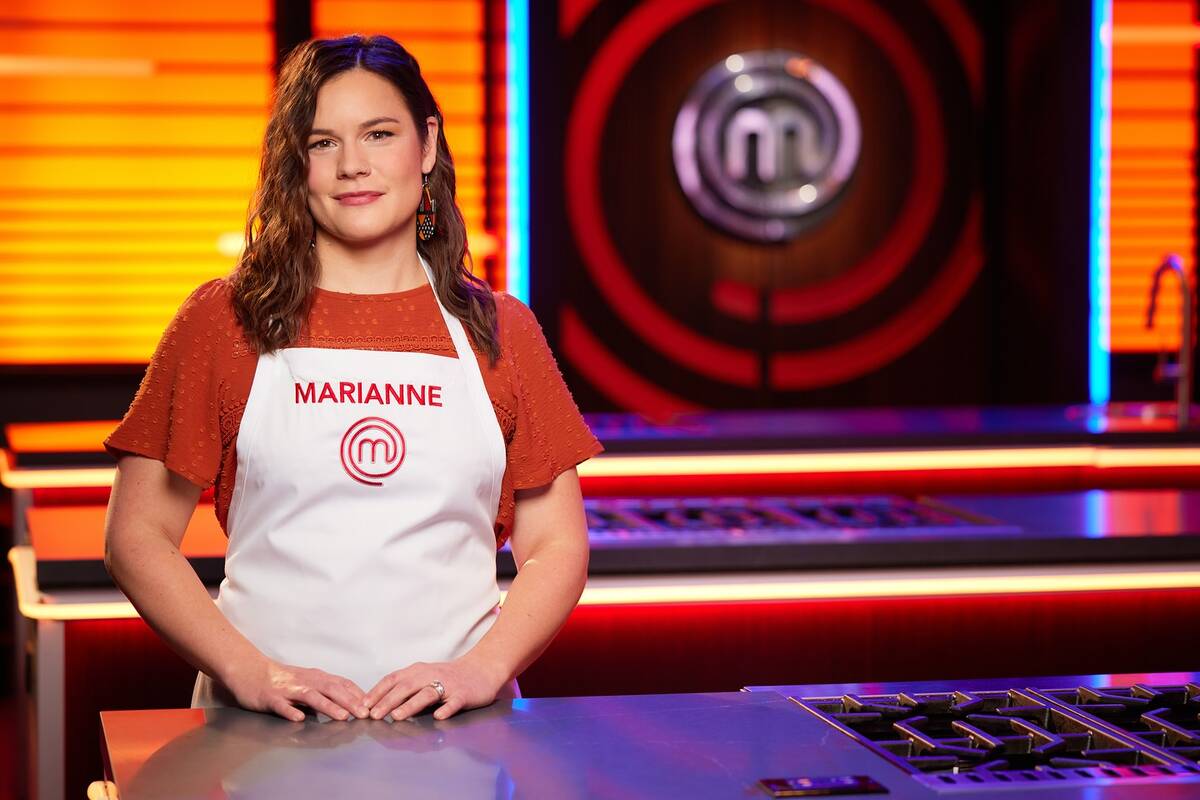
As Marianne Smeaton opens an event centre on the family farm near Charlie Lake, B.C., of the Peace River Region, in February, she is planning to make some excellent meals for local dinner guests that showcases as much as possible the Wagyu beef they produce on the farm.
The event centre on Rootstock Ranch is being developed in a renovated “lean-to” adjacent to their home, which Smeaton refers to as a “Barndominium.” Their house is a big red barn that family made into their home. It has a commercial kitchen in the basement, and the new events centre — which is attached — will feature Smeaton’s cooking talents, that as much as possible will make use of the high quality beef produced on the farm.
“It is not a restaurant per se, but the plan is to have a dinner event once a month,” says Smeaton who emerged as one of the top three home-cooks in Canada following competition on MasterChef Canada in 2025.
Read Also
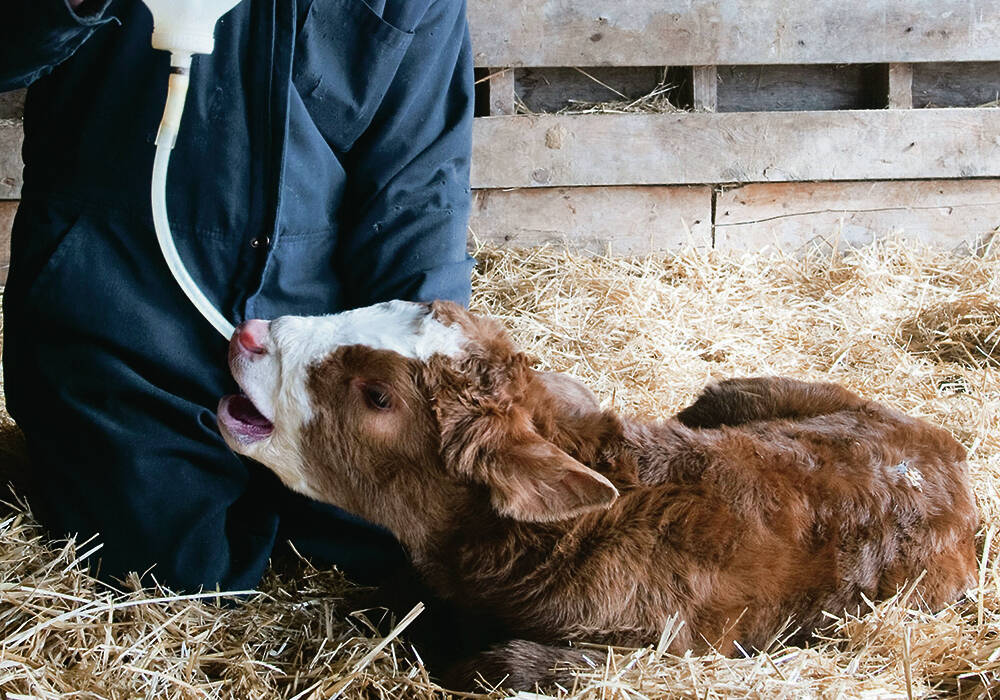
CALVING 2026: Keep those newborn beef calves healthy
Biosecurity, vaccines, vitamin injections and colostrum — veterinarian Roy Lewis runs down how beef farmers can keep newborn calves free from disease and gaining weight fast.
On the “event” week, there will be four ticketed dining opportunities for up to about 40 people per seating. There will be a six to seven course themed dinner served on the Thursday and Friday nights and two seatings on Saturday. It will be a set menu, and the food will be served family style — bowls and platters at each table and everyone serves themselves. And if you happened to catch Smeaton cooking over the 12-week run of season eight of MasterChef Canada last fall, you will know she can work miracles in the kitchen.
Having a dining events centre has been a long-time dream of Smeaton’s, even before her application to appear on MasterChef Canada was accepted.
“I never thought of myself as any special cook,” she says, even though she has loved cooking ever since she was a child.
“But being part of a cooking competition was a great opportunity and has given me confidence to get this event centre off the ground.”
So how did competing on a national cooking show come about?
Smeaton, whose parents immigrated from Switzerland, was born and raised on the family ranch in Cache Creek, B.C. Marianne’s mom was a great cook, and made everything from scratch.
“So much of what I learned was thanks to my mom,” she says.
“We raised all our own meat and vegetables, and she showed how to make good quality meals with the fresh ingredients we had on the farm.”
Early on, Smeaton thought about being a chef. She even went to Switzerland one summer to work at a restaurant. The cooking part was fine, but she found the kitchen crew actually created a hostile environment. She left after about a week. Back home she decided to shelve the chef career idea and became a registered nurse like her mom.
Fast forward a few years, she and her husband, Matt, got married, started a family, and started their own ranching operation near Charlie Lake, which is a few minutes west of Fort St. John.
“And then when our second child was born I decided to stay home, help out on the ranch, be a full-time mother, and then I got thinking about being a chef again,” says Smeaton.
She started her own catering business, which primarily involved making and delivering lunches using a retrofitted horse trailer. She didn’t have any desire to be involved in a TV cooking competition.
“Going on national TV was the last thing on my mind,” she says.
“It was so out of my comfort zone, but my husband kept urging me to send in an application, and I finally did. The deadline to apply was 12 midnight this particular day, and I filed my application at 11:58 p.m. I held out until the last minute.”
Smeaton threw her name into the competition along with several other thousand hopeful home cooks.
After a fairly rigorous interview and review process, which included cooking a meal via online video for show producers, Smeaton emerged as one of 15 home cooks from across Canada who qualified for the MasterChef Canada show. They were involved in several weeks of competition in Toronto with one of the home chefs eliminated each week. Smeaton made it to the top three, with a data engineer, Veronica Wu, of Toronto being named winner. The competition was filmed in January 2025, but didn’t appear on TV until the fall with the final episode airing in December 2025.
Smeaton says one of the most amazing things is that her kids were on hand for the final taping of the show that January, but as required by show producers, they had to keep the secret as to who won the competition until the showed actually aired 10 months later.
“I’m proud of the kids for being able to keep a secret that long,” she says.
Back on the farm at Charlie Lake, Marianne and Matt and their two children Addison, 6, and Jack, 10, are all back into routine ranching life and now working to get the events centre ready for its great launch.
The Smeatons have been raising Wagyu cattle for several years. Marianne did some of the first AI breeding with Wagyu genetics in 2017. They have used Wagyu in a cross-breeding program with Angus and have developed a herd of about 20 females that includes some F2 (50/50) genetics as well as several F3 (about 87.5 percent Wagyu genetics and 12.5 per cent Angus).
They have been direct marketing Wagyu beef for several years in a program geared to finish everything at home on the ranch. They are trying to finish cattle primarily on a forage-based (summer grass/winter hay) ration, with just “a bit” of grain in the final finishing phase. Smeaton says to get the optimum marbling from Wagyu genetics, cattle have to be fed to at least 30 months of age.
As they are about to market some of the Wagyu beef as prepared food in the events centre, it means using a certified abattoir to process the cattle, and a certified butcher to cut and wrap the meat.
Smeaton says the plan is to grow the Wagyu beef herd and hopefully market as much as possible through farm direct sales, as well as through the events centre dining experience.
While Smeaton has demonstrated talent and creativity as a chef on a national cooking competition, she says it is important to remain grounded. Not every meal has to be a gourmet dish, but at the same time, she knows she can make some very interesting and tasty meals “by keeping everything simple and by using simple ingredients that are readily available.”
And she points out — especially with kids in the house — there is nothing wrong with pulling a frozen pizza out of the freezer once in a while as well. Everyone can enjoy that, too.