
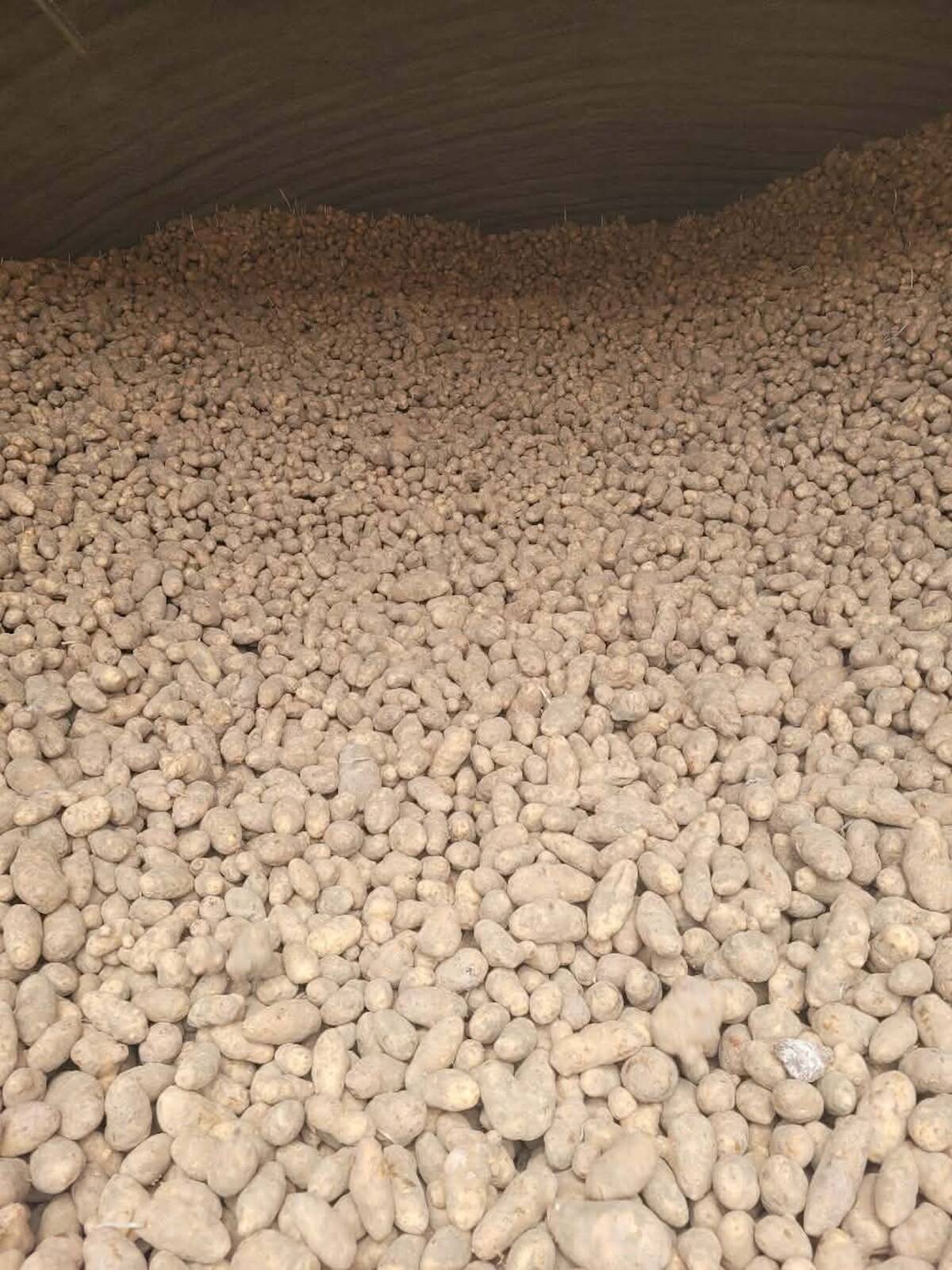
Long-term potato storage is known in the industry as “the second season” — and it determines how long potatoes remain usable for processing.
Terry Sydoryk, chief executive officer of Calgary-founded Cellar Insights, says the company is working to change how growers and processors manage that critical window.
Read Also
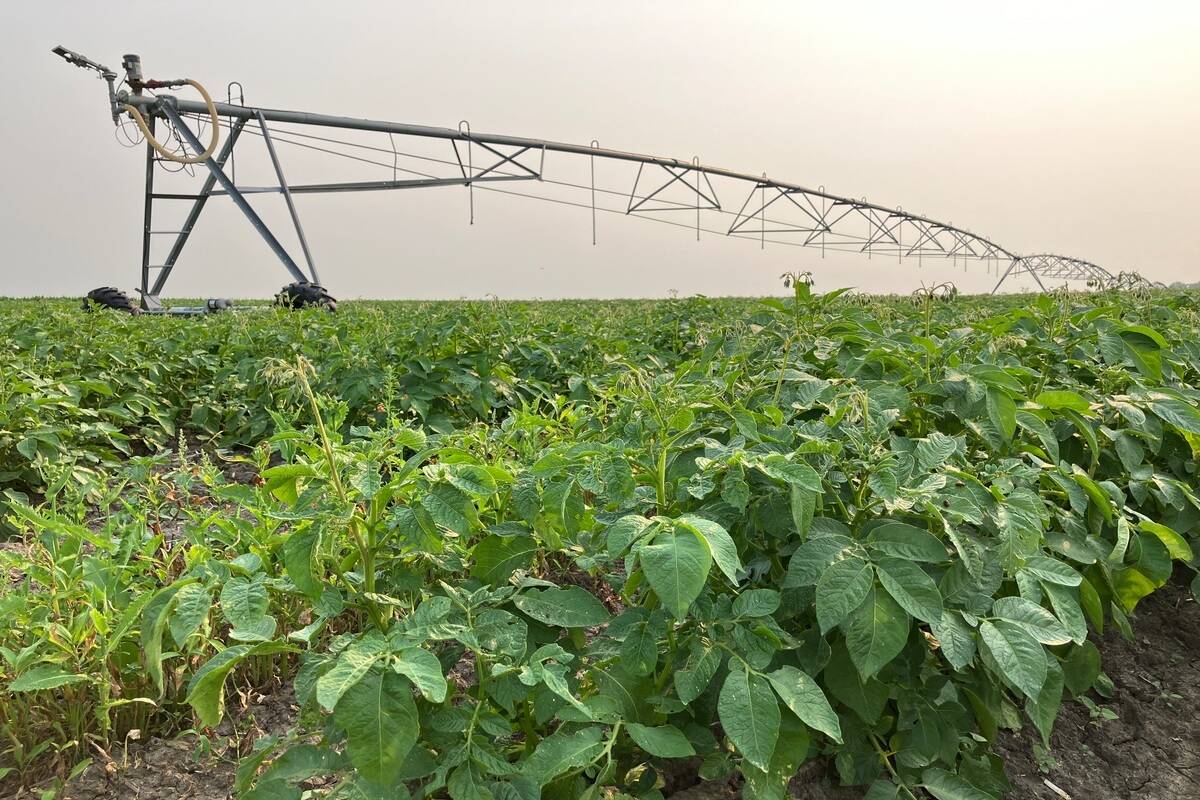
Alberta potato growers face rising costs, trade uncertainty and global competition
Alberta potato growers are navigating surging input costs, new global competitors, and an uncertain U.S. trade relationship.
WHY IT MATTERS: Alberta is Canada’s largest producer of potatoes, accounting for more than 27 per cent of national production.
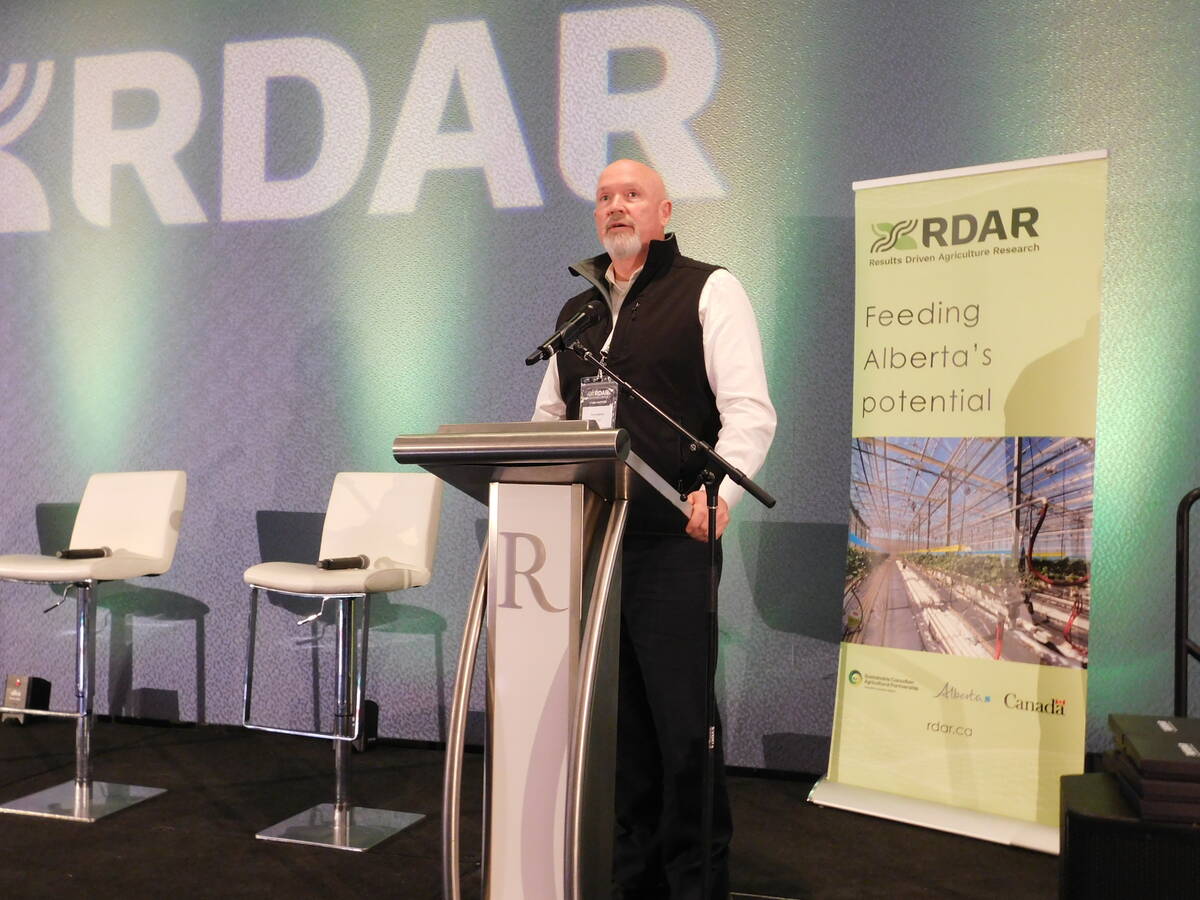
“Cellar Insights helps potato growers, processors and storage operators minimize loss and detect early signs of spoilage, excess shrink and poor fry colour,” Sydoryk said during a presentation at the Results Driven Agriculture Research (RDAR) showcase in Edmonton.
Breaking down post-harvest losses
Co-founder Ross Culbertson, a sixth-generation potato grower from Florenceville, N.B., saw heavy investment on the crop side to boost yields — but noticed a gap once potatoes went into storage.
Even in a good facility, about four per cent of yield is lost to respiration. Factor in rot, quality and disease issues, and losses climb substantially.
“We thought there was an opportunity there. Hence, Cellar Insights was born. We’re looking to empower growers and processors to reduce post-harvest losses, strengthen food security and boost resource efficiency through actionable insights. Our objective is to maximize the value for the grower, reduce the risk of the supply chain losses for the processor, and ultimately run storage as a competitive advantage,” said Sydoryk.
Global post-harvest losses exceed US$100 billion across multiple crops.
Bigger potato industry in Alberta
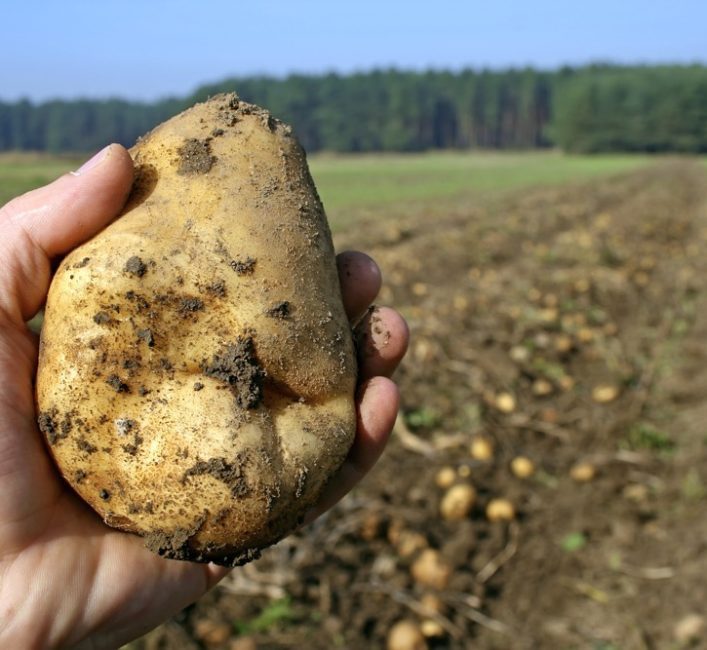
Alberta’s potato industry is growing, and the province now leads the country in production.
“The combination of Alberta, Manitoba, New Brunswick and Prince Edward Island make up 78 per cent of the production in Canada,” said Sydoryk.
About 60 per cent of Alberta’s potatoes end up processed — french fries account for 60 per cent of that, with another 20 per cent going to chips.
Storage quality matters because processors need a precise balance of sugars, taste and colour.
“McDonald’s is adamant that a bouquet of french fries has got to look special,” he said.
Storage facilities around Lethbridge and Taber, many about 20 years old, line the highways. Potatoes are loaded into dome-shaped bins, filled to within five or six feet of the top, with dirt floors and culverts laid down for airflow.
What happens inside a storage bin
A typical bin is about 200 feet by 50 feet and 18 feet deep. Large fans on one side push air through floor slots, while a cooling wall on the opposite side lets growers reduce temperature. A humidification wall introduces moisture. A mezzanine lets growers walk the pile for visual checks.
“Ultimately, the age-old process of checking on the bin is walking it daily and checking if a pile is depleted. When I look at it from the top, if I look at the cross connect or cross tubes for air flow, do I see any sort of liquid coming out of the pile?”
“We’re looking to empower growers and processors to reduce post-harvest losses, strengthen food security and boost resource efficiency through actionable insights.”
Terry Sydoryk
A smell test remains one of the simplest ways to detect rot.
Potatoes need to be stored long-term to supply factories that run year-round. They should be at or below 13 C coming out of the ground — warmer harvest temperatures in southern Alberta can accelerate rot risk.
After loading, potatoes go through drying, pre-cooling and treatment stages to bring temperatures down. Ideal storage temperature sits at eight to 10 C, or lower for seed potatoes, pushing them into dormancy.
Three factors are monitored throughout:
- humidity,
- carbon dioxide, and
- temperature.
All affect quality, and growers need to maintain conditions over months to meet the needs of chip and french fry processors.
How Cellar Insights works
The company’s platform monitors temperature and humidity against thresholds set by the grower, issuing proactive alerts if conditions — including carbon dioxide levels — are exceeded.
“Early detection tracking abroad is something we’re focused on now, and lastly, we’ve introduced trending reports within the platform, so you can see things that happen over time, whether it’s the last 24 hours, last seven days, last 30 days, compared across the various units,” he said.
Cellar Insights uses low-cost, wireless, battery-operated sensors placed directly into storage bins. A sensor hub in the facility backhaults data via cellular signal to the cloud, giving growers remote visibility. External temperatures are also measured.
Predicting rot with machine learning
Some newer facilities already have built-in sensors. Cellar Insights is layering machine learning and artificial intelligence on top to predict early rot and spoilage.
RDAR funding will support an expansion of the rot-sensing work the company began a year ago.
“Our objective is to put 100 bins in play with sensors and another 20 or 15 bins with additional gas and volatile sensor measurements,” he said.
The company is testing combinations of sensor types. Early detection of deterioration lets producers choose mitigation strategies — such as reducing humidity — to protect more of the crop.
The next step is applying existing collected data to a machine learning model that can predict rot risk potential in any given storage facility.
Cellar Insights was founded in 2023 through Carrot Ventures, a Calgary-based venture studio for agtech, and has secured grants from RDAR and other organizations.
“We’ve raised a substantial amount of money that we can take this business forward with a specific focus on long term storage,” said Sydoryk.