
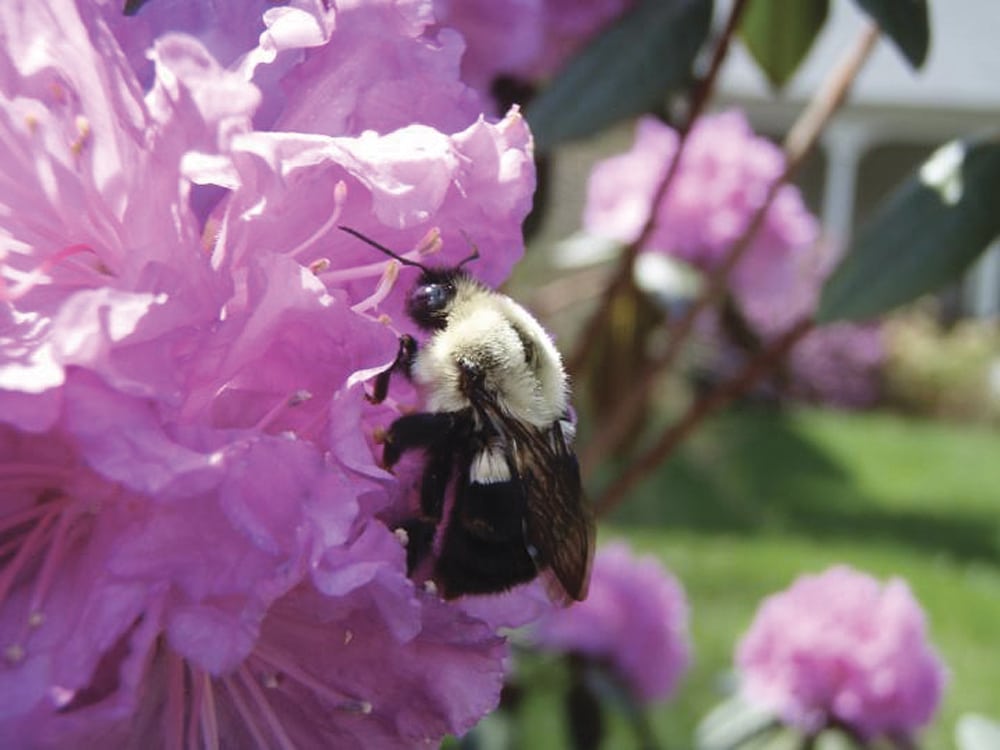
Spring is a busy time for bumblebee queens.
After emerging from hibernation, their to-do list includes making nests, laying eggs, and keeping their larvae warm and fed. It’s physiologically demanding, and the stakes are high: the success of the colony depends on a queen.
In a recent study, researchers at the University of California Riverside found that environmental threats are piling onto bumblebee queens. They found exposure to a widely used insecticide and a poor diet negatively impacted bumblebee queens’ health and work.
Bumblebees are workhorses of the insect pollinator world, playing a key role in both natural and agricultural ecosystems.
Read Also

Cereal cover crops show mixed flea beetle protection
University of Manitoba researchers are testing if planting fall rye and oat nurse crops help growers reduce damage without hurting yield.
Unlike honeybees, which are perennial, bumblebee colonies arise each year from the work of a single queen to establish a nest.
“Queens are probably already a bottleneck for bumblebee population dynamics,” said lead author Hollis Woodard. “If a queen dies because of exposure to man-made stressors, then a nest full of hundreds of important pollinators simply won’t exist.”
Previous studies have implicated insecticides, including the widely used neonicotinoids, with a decline in pollinators. Another stressor bumblebees face is declining floral diversity, driven by agricultural land use and other global changes.
Woodard’s team tested the effects of temporary or sustained exposure to the neonicotinoid imidacloprid and a single-source pollen diet, finding both affected the rate of success.
The surviving exposed bees produced only a third of the eggs and a fourth of the larvae of untreated queens.