
BASF Canada and Earth Rangers are expanding BASF Kids’ Lab, a series of hands-on chemistry workshops developed by BASF for students in Grades 4 through 6, to rural schools across Western Canada. The program has already reached more than 1,200 Canadian students and is now expanding into additional communities in Alberta, Saskatchewan and Manitoba with a new agriculture-focused workshop.
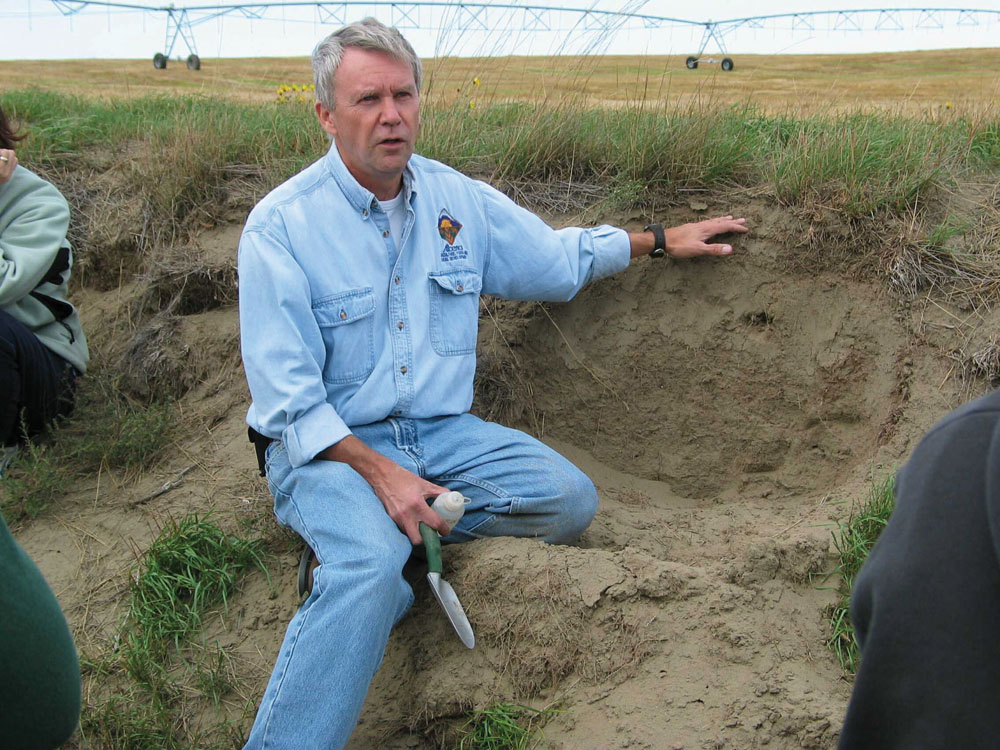
From October to December 2014, the program will engage more than 800 students at approximately 30 western Canadian schools, at no cost to the schools or participants. The 45-minute session, entitled We Dig Soil will include an Earth as an apple demonstration to illustrate the amount of land available for agriculture, as well as a fun hands-on activity to illustrate how soil acts as a filter.
Read Also
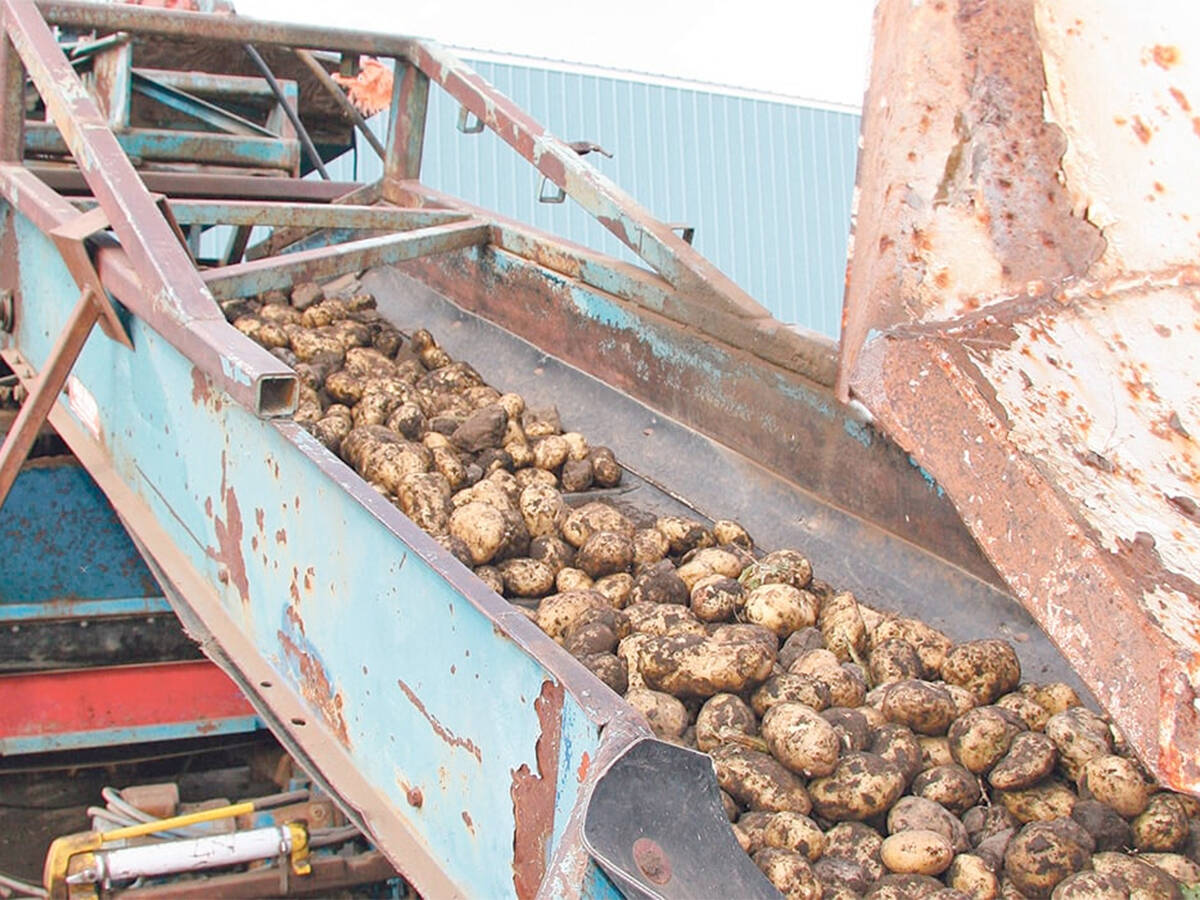
Lethbridge Polytechnic finds faster way to screen potatoes for natural toxins without damaging the crop
Lethbridge Polytechnic developed an infrared imaging model to screen potatoes for harmful toxins — without damaging the crop.
“Earth Rangers educates children about the importance of maintaining healthy environments where they live,” said Peter Kendall, executive director, Earth Rangers.
Established at BASF’s global headquarters in Germany in 1997, Kids’ Lab invites children to explore the world of chemistry through safe and fun experiments that are designed to foster an interest in science-related hobbies and, eventually, explore its career possibilities. Over the years, the program has been successfully delivered in more than 16 countries worldwide.
The program will be delivered to schools in Lethbridge, Red Deer, Leduc and six cities in Saskatchewan and Manitoba.