
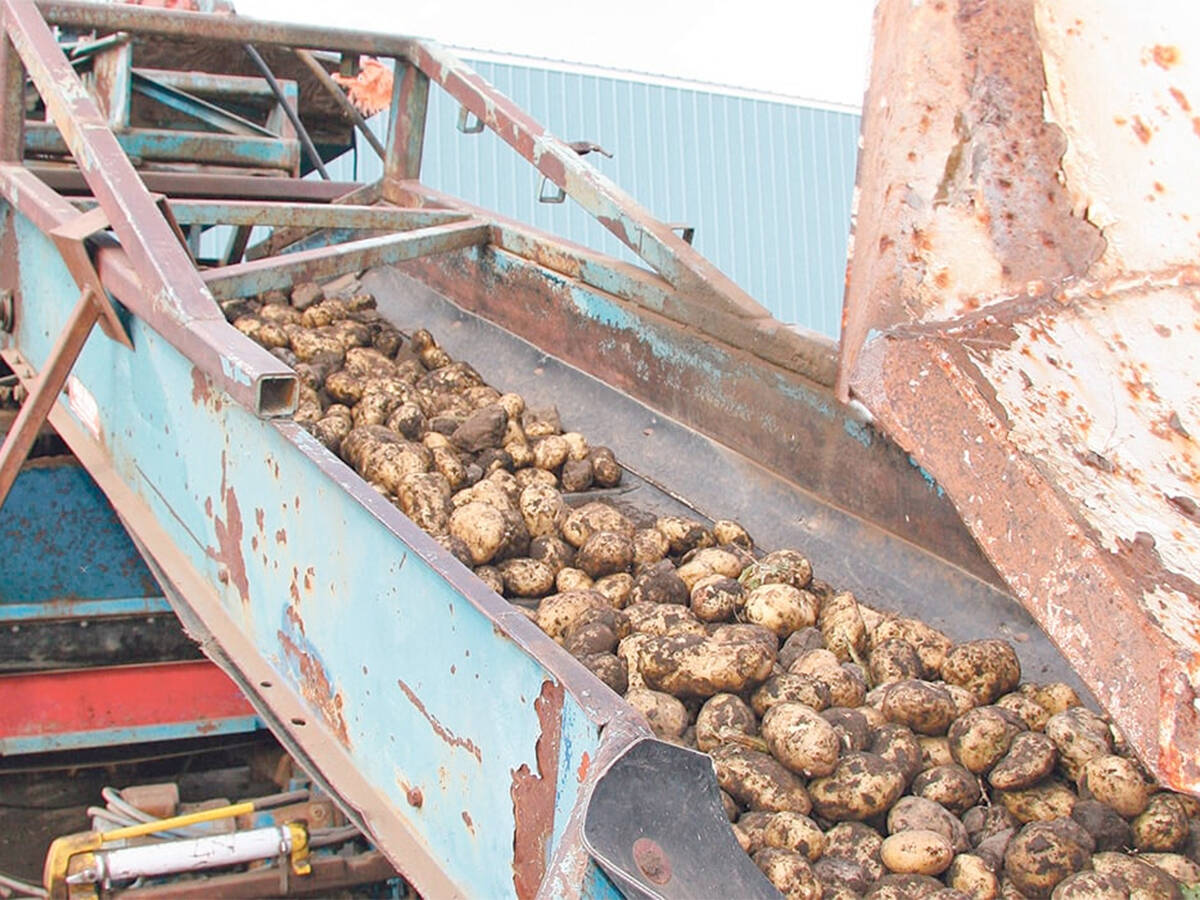
Potatoes are the fifth-largest primary agricultural commodity in Canada — and Lethbridge Polytechnic researchers want to make sure every one that reaches a dinner table is safe to eat.
The polytechnic’s Centre for Applied Research, Innovation and Entrepreneurship has developed a faster, non-destructive method to detect elevated levels of total glycoalkaloids (TGAs), the natural defence compounds potatoes produce to protect themselves from environmental threats.
WHY IT MATTERS: Potatoes are a high-value Canadian crop, and better food safety screening tools have real consequences for producers, processors and consumers throughout the supply chain.
The problem with current testing
TGAs are naturally present in all potatoes and are typically within safe limits. But when levels exceed roughly 200 mg/kg — Health Canada’s threshold — they can pose health risks.
Light exposure is one of the most common culprits. Potatoes stored in cool, dark conditions are generally fine, but display conditions in grocery stores can accelerate TGA increases.
Read Also
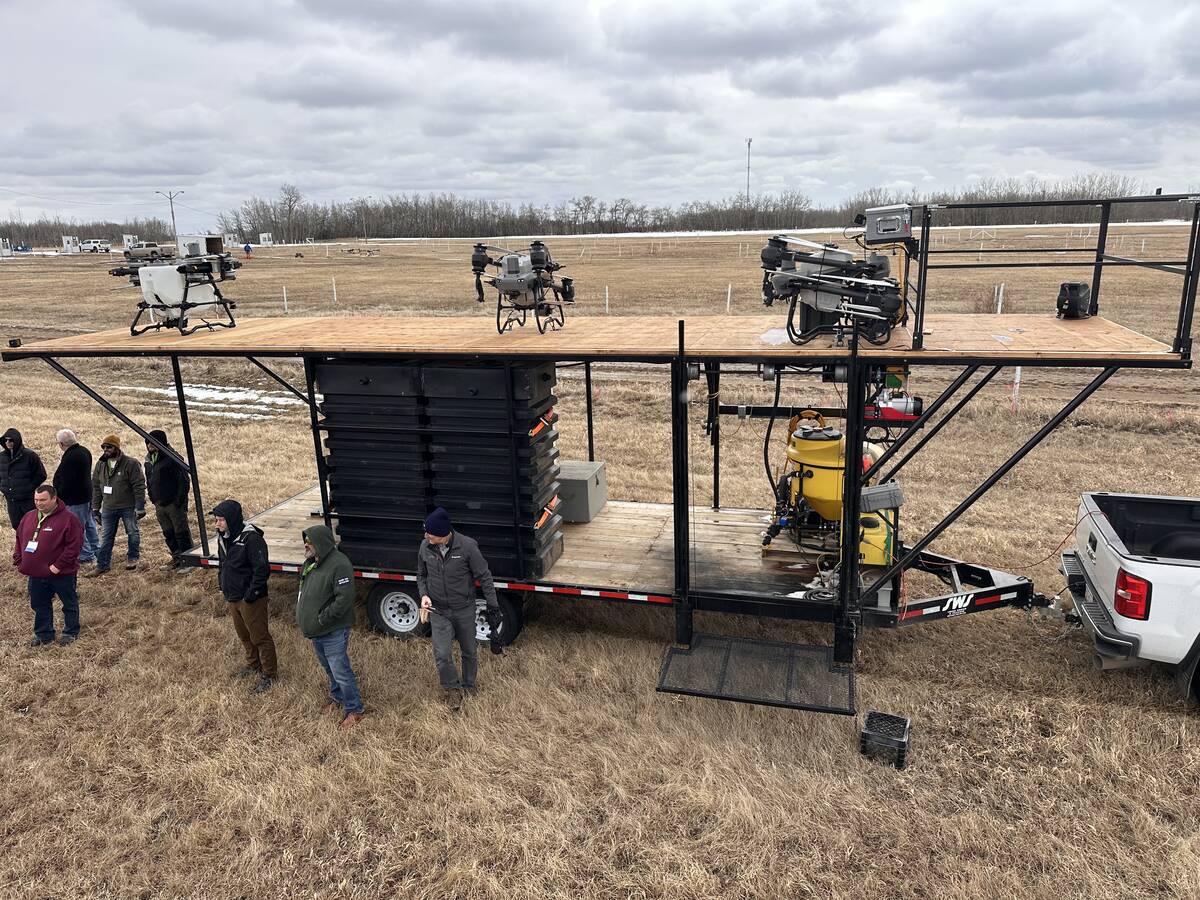
New drone spraying rules draw excitement — and a warning from researchers
Proposed Health Canada rules would open drone pesticide application — but spray researchers say the risks aren’t equal.
“Previously, the only way to test potatoes for TGA was to look for greening or cut them open, damaging the product and making it unmarketable,” said Dr. Diksha Singla, post-doctoral fellow at the Advanced Post-Harvest Technology Centre within Lethbridge Polytechnic’s Centre for Applied Research.
How the new method works
To study TGA development, Singla and her team stored more than 200 Yukon Gold potatoes under continuous light for up to 14 days, simulating improper storage. TGA levels were first measured using high-performance liquid chromatography — the traditional method, which is both time-consuming and destructive.
The team then applied short-wave infrared hyperspectral imaging to scan each potato and build a predictive model capable of estimating TGA levels without any damage to the produce. The model achieved 72 per cent predictive accuracy for Yukon Golds.
“Seventy-two per cent accuracy isn’t perfect, but it demonstrates the potential of infrared imaging as a faster, scaleable screening tool for producers,” said Singla. “This approach can help producers identify risk earlier, reduce unnecessary crop destruction and remove problem potatoes before they go to market.”
Unexpected findings
The study also produced a surprise: in some cases, TGA levels peaked after just seven days of light exposure rather than 14. The team speculated that prolonged exposure may trigger shifts in potato integrity — from cellular aging to severe drying — that affect TGA accumulation patterns.
The findings reinforce the importance of storage conditions, Singla said. While paper or plastic-bagged potatoes have some protection from light, bulk storage under bright conditions can accelerate both greening and TGA increases.
What comes next
The team’s next step is exploring how infrared imaging could be implemented as a practical, long-term investment for producers and processors. The technology carries upfront costs, but offers the potential for one-time capital investment that streamlines testing and strengthens food safety across the supply chain.
Industry partners are already paying attention. Ashley Wagenaar, agriculture relations director at the Potato Growers of Alberta, said the organization is proud to support the work.
“This work reflects our shared dedication to continue producing healthy, premium potatoes right here in Alberta for Canada and beyond.”
The full research publication is available online. For more on applied research at Lethbridge Polytechnic, visit lethpolytech.ca/CARIE.