

Rio de Janeiro | Reuters — Brazil’s JBS, the world’s largest meatpacker, sees “very strong” demand for beef, pork and chicken in the U.S., said the president of JBS USA, Wesley Batista Filho on Thursday during the firm’s third quarter earnings call.
This is helping the company deal with tight margins in the beef segment, as a period of reduced cattle supply in the U.S. is making beef more expensive, he told analysts.
JBS’s global president Gilberto Tomazoni said strong demand for chicken and well-balanced grain prices indicate a continuation of the positive cycle for this sector, and does not expect “major surprises” in grain costs, as the weather has favored soybean and corn harvests.
Read Also
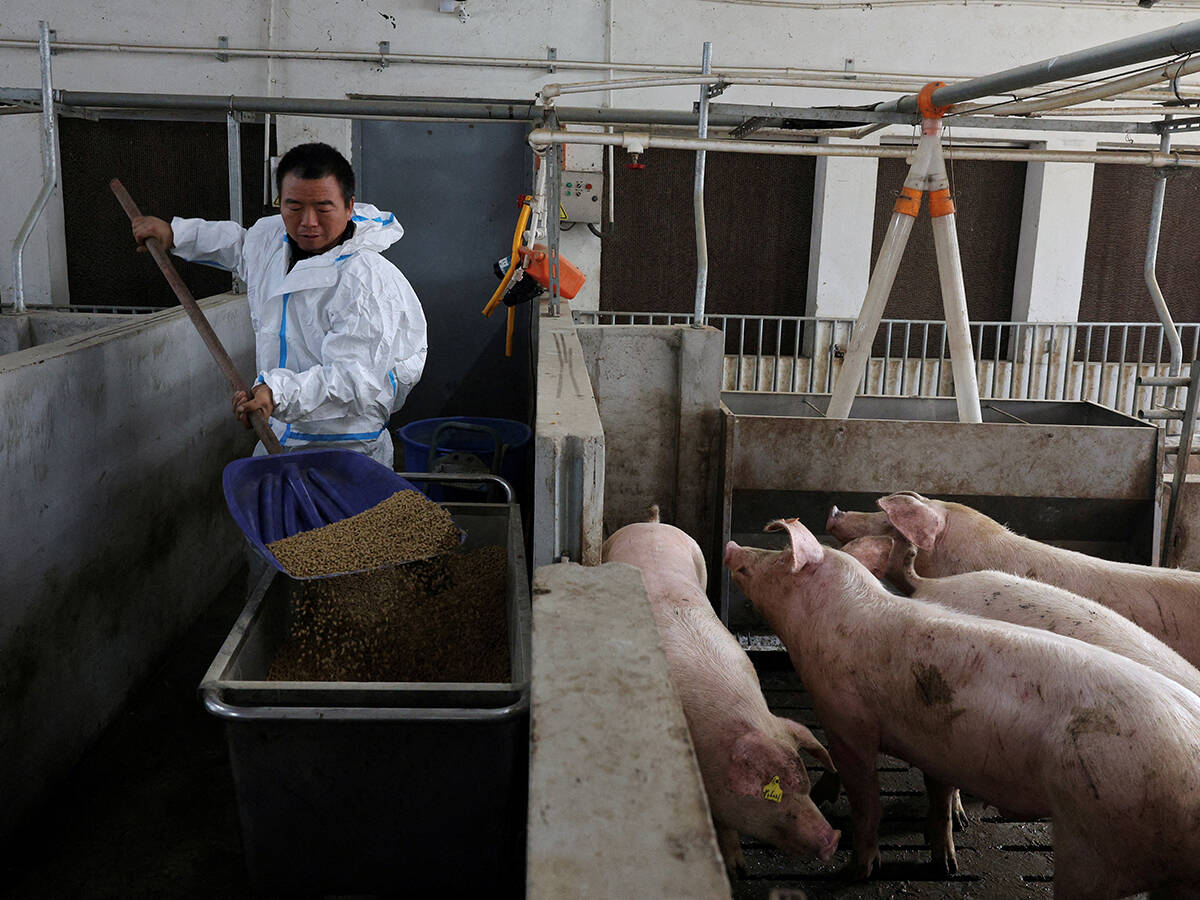
China’s Q1 pork output up 4.2 per cent from a year earlier, lags expectations
China’s pork production rose 4.2 per cent in the first quarter of 2026 from a year earlier as hog producers accelerated slaughtering to address a supply glut.
The sustained external demand for Brazilian beef allows for price improvements in the foreign market in the context of the recent rise in the cost of Brazilian cattle, said Tomazoni.
On Wednesday JBS posted a 3.84 billion real net profit for the third quarter, multiplying it by more than six times from a year earlier and helped by its pork and chicken business in Brazil.
— Reporting by Roberto Samora