

Greece has formally joined the club of countries whose livestock, uncooked meats, raw dairy and other products are blocked from Canada over multiple outbreaks of foot-and-mouth disease in cattle and sheep.
The Canadian Food Inspection Agency said in an email on April 8 that new admissibility requirements for commodities originating from Greece have been set up in CFIA’s Automated Import Reference System (AIRS).
WHY IT MATTERS: Data from Greece’s tourism industry show over 300,000 arrivals in that country from Canada in 2024 alone.
Read Also
Federal forecasters to add AI to improve weather predictions: ECCC
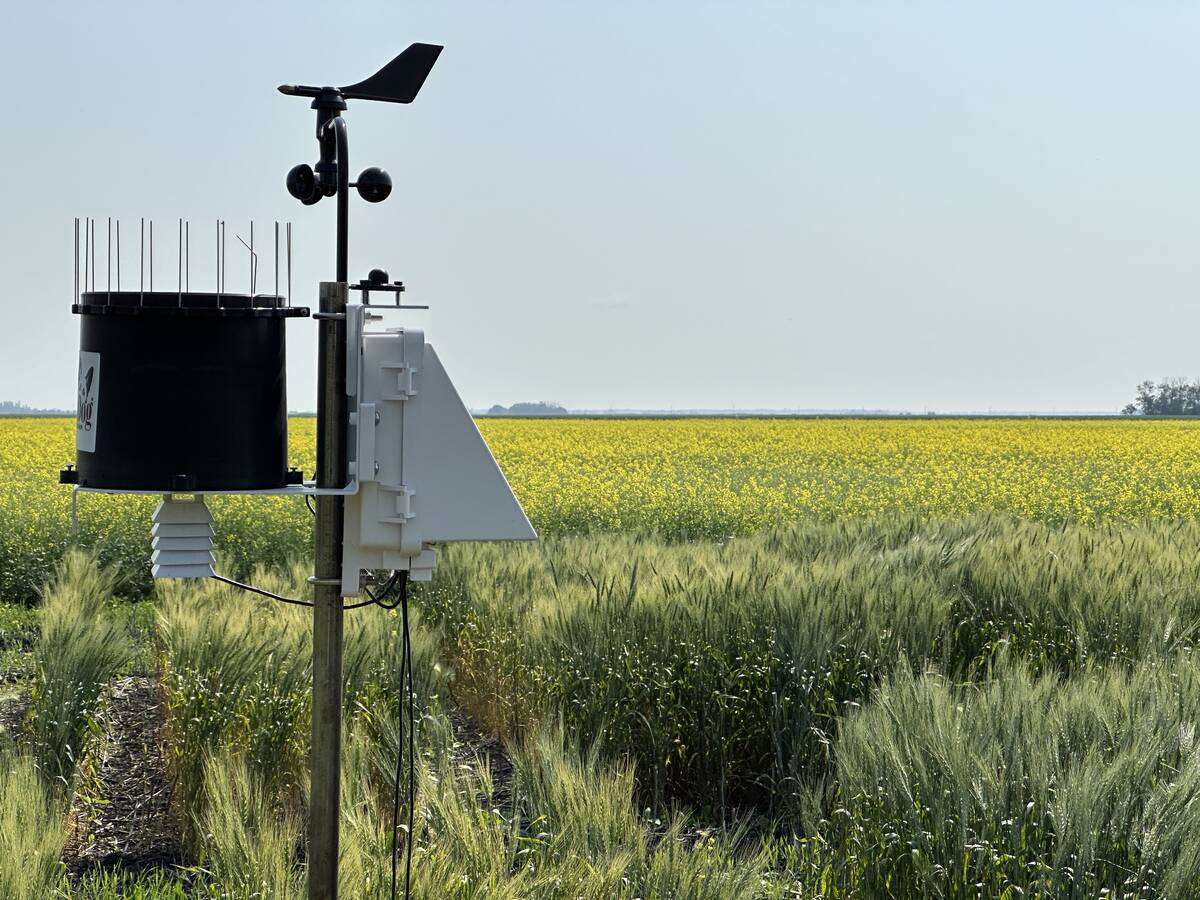
Environment and Climate Change Canada announced on April 9 it will begin using artificial intelligence to improve its weather forecasting model beginning this spring.
According to the World Organization for Animal Health, Greece began reporting cases of foot-and-mouth disease on March 15 with nine infected cattle at a farm on the island of Lesvos, marking the country’s first such cases since 1994. Its most recent cases, in sheep and one cow on the same island, were reported March 29.
Greece’s cases so far have all occurred on farms in the northern regions of that island, in the Aegean Sea off the west coast of Turkey. So far, 438 animals in total have been confirmed infected.
The findings make Greece the fifth European Union member country currently under foot-and-mouth restrictions from Canada. Hungary, Slovakia and Cyprus all reported cases last year, while Bulgaria is the lone EU member country “not usually considered free” of foot-and-mouth disease.
Germany regained disease-free status last month, while CFIA’s restrictions on Austria were lifted last September.
While findings of the disease in Greece are so far limited to Lesvos, Canada’s new restrictions apply to the entire country, unlike certain other nations such as Brazil, Argentina and Peru in which CFIA classifies some but not all provinces or states as free of foot-and-mouth disease.
What products are prohibited?
At-risk commodities covered by Canada’s import ban include live animals and germplasm; animal products and byproducts; uncooked meat and meat products; raw milk and milk products made from raw milk, such as unpasteurized cheese; unprocessed manure; laboratory material; blood products; livestock feed and equipment that has been in contact with affected animals; raw or unprocessed pet foods; raw hides, skins, wool, antlers, horns, hooves; and any other non-heat-treated products or byproducts from vulnerable animal species.
Species vulnerable to foot-and-mouth disease include hogs, cattle, bison, sheep, goats, camelids (llamas, alpacas) and cervids (deer, elk, moose) among others.
CFIA’s restrictions apply to any at-risk products dating as far back as 28 days before the first symptoms were detected in an affected country.
Foot-and-mouth disease, according to CFIA, is a viral disease characterized by symptoms including blister-like sores on the tongue and lips, in the mouth, on the teats and between the hooves; foot lesions, accompanied by acute lameness and reluctance to move; and loss of appetite or milk production. The virus can spread between animals through direct, indirect or airborne transmission.
Canada is free of the disease and has not reported any cases of the disease in livestock since 1952, when an outbreak in southeastern Saskatchewan is believed to have originated with a visitor from an infected farm in Germany, carrying the virus either on clothes or an infected sausage.
Advice for farmers visiting Greece
Canadians are still free to travel to Greece, but CFIA recommends they avoid visiting farms when doing so. Travellers who do visit farms should make sure clothes and footwear worn during those visits are free from soil or manure. Footwear should be cleaned and disinfected, and dry-cleaning of the clothes worn is recommended.
Travellers should also avoid contact with susceptible animals, including farm and zoo animals and wildlife, for 14 days after returning to Canada.
For farmers who travel to Greece, contact with farm animals is not recommended for five days upon return to Canada, when “strict personal decontamination measures” are applied to clothes and footwear, CFIA says.
Travellers also must declare all food products upon arrival in Canada. Generally, CFIA says, meat and dairy products from foot-and-mouth infected countries won’t be allowed, but foods that are “cooked, shelf-stable, commercially prepared and hermetically sealed” may be.