
Glacier FarmMedia – There are a number of unknowns that could affect where soy, corn and wheat prices go on the Chicago Board of Trade, said Sean Lusk, vice-president of Walsh Commercial Hedging Services.
Soybeans
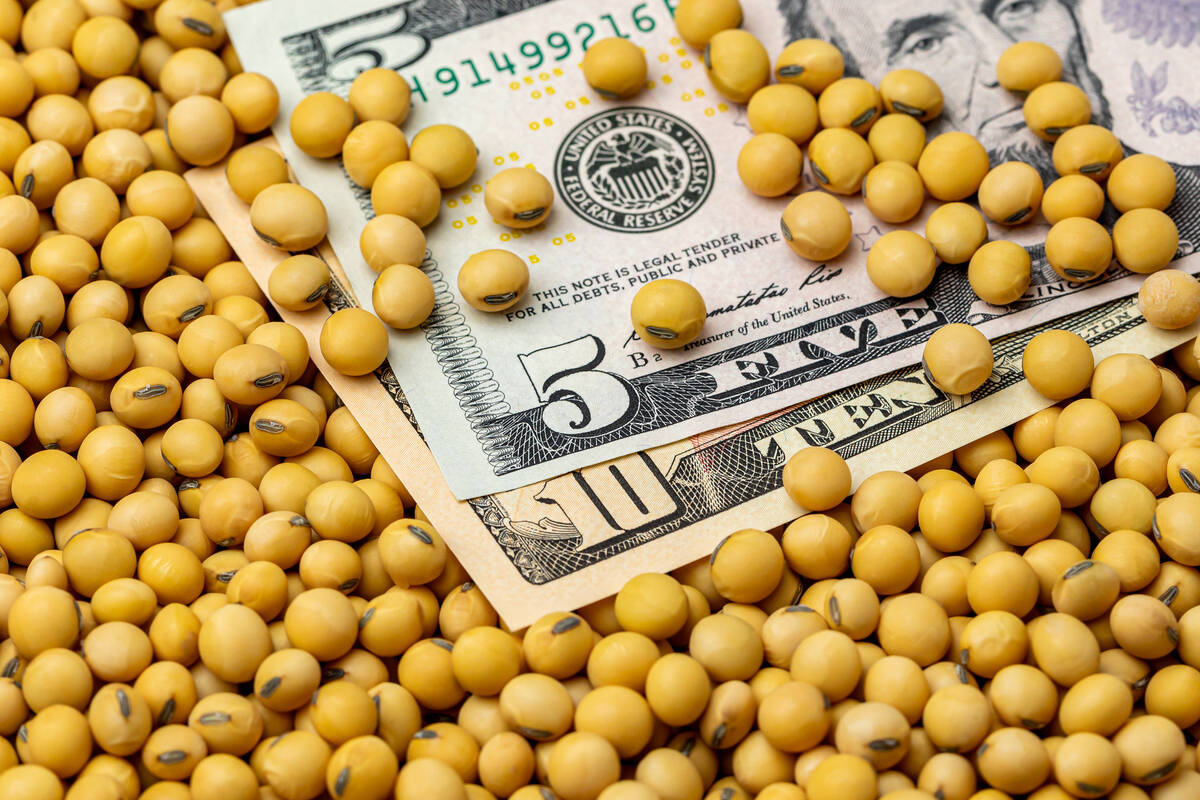
One of those unknowns is the additional eight million tonnes of United States soybeans China is to buy, President Donald Trump said recently. It’s believed that China fulfilled its promise to purchase 12 million tonnes of U.S. soybeans and Trump claimed on social media they were going to buy more.
Read Also

Pulse Weekly: SaskPulse optimistic despite input, crop price concerns
SaskPulse executive director Carl Potts is optimistic ahead of the planting season despite lower crop prices and the war in Iran.
“The problem is China hasn’t confirmed nor denied any of this,” Lusk said.
He also pointed out the U.S. 45Z biofuel tax credit and the biofuel mandate, could be favourable or unfavourable to soybeans depending on the choices to be made by the Trump administration.
A sharp increase in Indonesia importing U.S soymeal would be very supportive. Lusk said that country is to buy up 3.8 million tonnes of U.S. soymeal compared to its current imports of 260,000 tonnes.
Corn and Wheat
Another issue Lusk pointed out is the U.S. Department of Agriculture Outlook Forum forecasting 2026/27 corn ending stocks at 1.84 billion bushels. That would be a drop from 2.13 billion/bu. the USDA projected for 2025/26.
“They’re assuming good weather. You don’t assume that,” Lusk said, but acknowledged the weather over the last few years has been quite good for U.S. crops.
For wheat, Lusk said the weather threats in Eastern Europe and in parts of the U.S. have dissipated and that should limit prices from going much higher.
Tariffs
He mentioned the reduction or elimination of tariffs would also help U.S. commodity prices.
Recently, the U.S. Supreme Court ruled Trump exceeded his authority to impose many of his levies. However, the president said he will enact new 15 per cent surcharges using different legislation.
Iran
Lusk warned that any U.S. attack on Iran or a regime change in that Middle East country would increase crude oil prices.
“Higher crude prices are to support higher grain prices,” he said. “You don’t want to be caught short.”