Brasilia | Reuters — China has ended an embargo on Brazilian beef imports, Brazil’s agriculture ministry said on Tuesday, lifting a three-year old ban and opening the door to half a billion dollars of new sales.
Eight Brazilian beef processing plants and one poultry plant were approved to ship to China, the ministry said in a statement after Brazilian President Dilma Rousseff and Chinese Premier Li Keqiang signed trade, finance and investment deals worth tens of billions of dollars.
Seventeen more processing plants are expected to get approval in June, when Brazilian Agriculture Minister Katia Abreu visits China. The 26 plants represent $520 million of potential sales to China, the ministry said (all figures US$).
Read Also
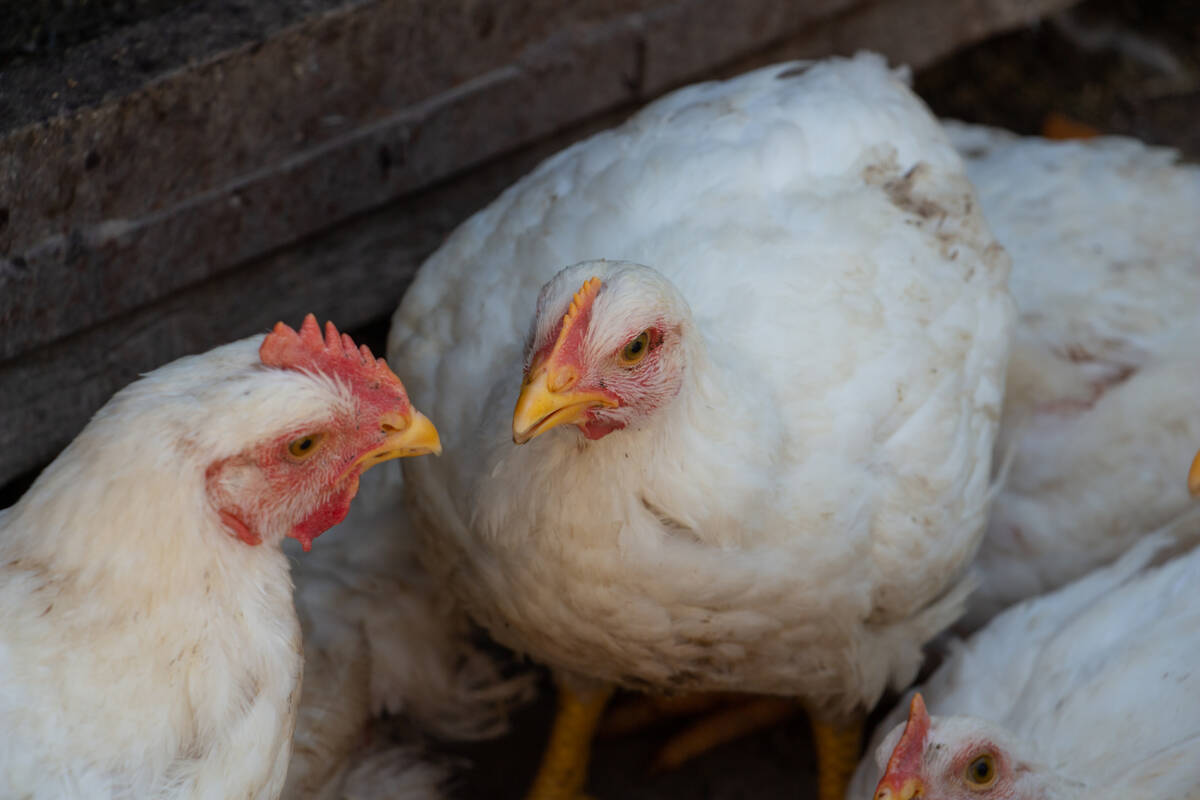
Chicken, eggs benefit from demand for economical protein
Strong demand for protein and status as an economical alternative to beef bodes well for chicken and egg demand in 2026 according to recent analysis from Farm Credit Canada.
Though other countries such as Japan and South Korea have blocked Brazil’s fresh Brazilian beef exports since 2012 due to a BSE scare, the World Animal Health Organization (OIE) maintained Brazil’s status as a country with an insignificant risk of the disease.
Brazil is the world’s largest beef exporter and China is its top trading partner. In 2014, Brazil exported $7.2 billion worth of beef.
Brazil’s agriculture ministry also expects the U.S. to approve imports of fresh Brazilian beef for the first time by late June, when Rousseff visits Washington.
In total, 29 Brazilian chicken plants and seven pork plants are already exporting to China.
— Reporting for Reuters by Marcela Ayres; writing by Caroline Stauffer.