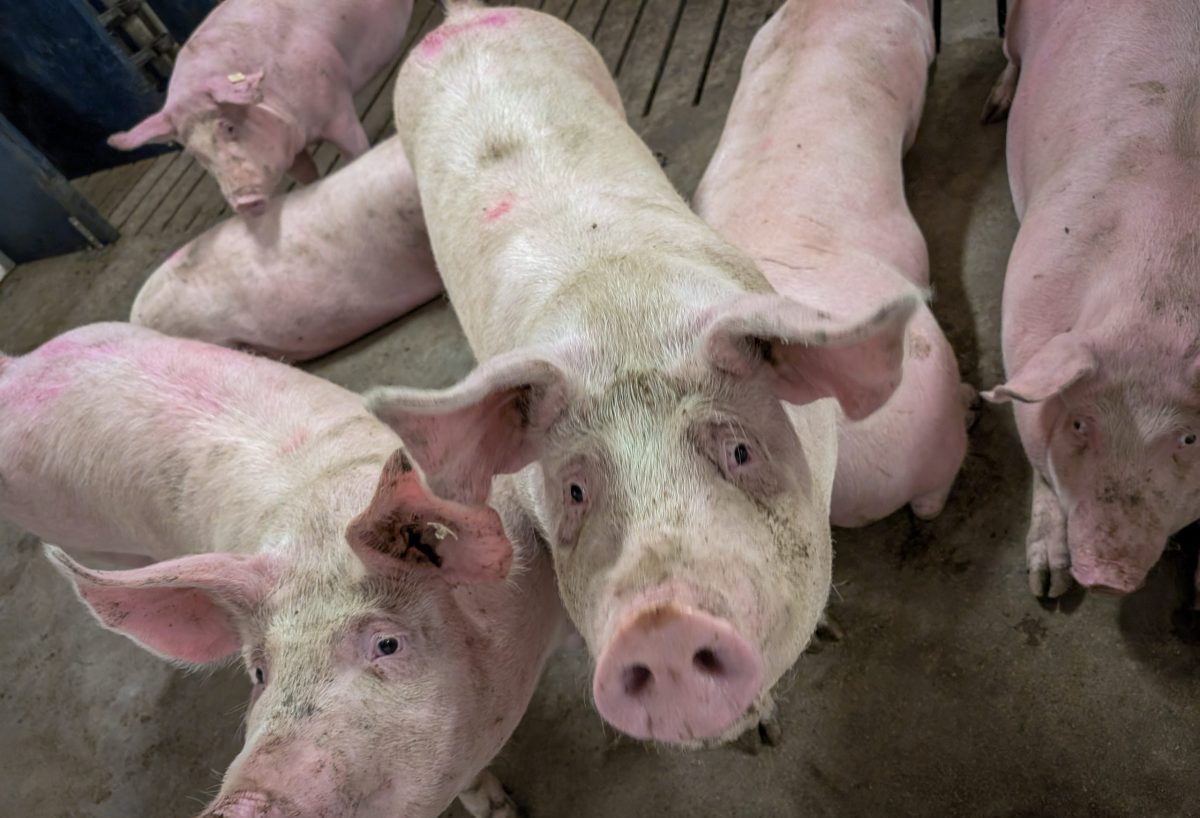
Beijing | Reuters — China’s pig industry representatives will gather next week in Beijing to discuss ways to reduce breeding sow numbers by a million, according to an official notice seen by Reuters, as part of a push to tackle over-capacity and stabilize prices.
Home to half the world’s pigs, China’s massive hog sector struggles with a supply glut amid weak consumer demand.
Why it matters: China has been a key export market for the Canadian pork industry.
Read Also

Mercosur and Canada near free-trade agreement with April talks
Canada and South America’s Mercosur bloc are advancing toward a free‑trade agreement that could be signed by the end of the year, with another round of negotiations scheduled for next month in Brasilia, according to three sources familiar with the talks.
Data shows China’s sow herd hit 40.43 million head at the end of June, above the normal holding level of 39 million.
Cash hog prices, meanwhile, have tumbled below 14 yuan (C$2.68) per kilogram this week. A year earlier, it was around 20 yuan, according to consultancy MySteel.
The upcoming meeting will also focus on curbing “secondary fattening” – a speculative practice of further fattening pigs in anticipation of higher prices – and tightening controls on slaughter weights, according to the notice from the China Animal Agriculture Association, the official animal husbandry association.
The story was first reported by Bloomberg News.
Reuters reported in June that a crackdown on secondary fattening was already underway to stabilize the market.
In July, the agriculture ministry said the country would reduce breeding sow stocks, control slaughter weights, and limit new production capacity.
These efforts are also expected to reduce soymeal consumption, as China contends with ongoing trade tensions with the U.S. and concerns over potential soybean supply disruptions in the fourth quarter.