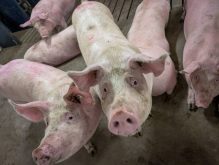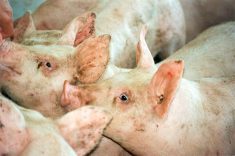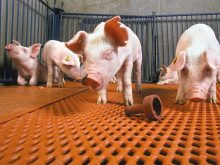


Taizhou, China | Reuters — At the edge of one of the many pig farms spread across the vast, unbroken floodplains of Taizhou, a two-hour drive northwest of Shanghai, a pair of square, four-metre pools of acrid-smelling ochre liquid hold the key to cutting costly soybean use in half.
The pools hold a swill of cheaper, locally sourced ingredients, which can include brans, pumpkin vines and wine lees. But it is fermented – like yogurt – so the proteins are already broken down and easy to digest, lessening the need for the higher-quality proteins in soy, 80 per cent of which China imports.
For the farm’s owner, 47-year-old Gao Qinshan, the motivation is entirely monetary. Feed accounts for 70 per cent of pig rearing costs, and soybean prices have jumped – squeezed by Beijing’s trade stand‑off with Washington and compounded by war in the Middle East.
Read Also
Moroccan fertilizer maker OCP expects output to drop 30 per cent in Q2, sources say
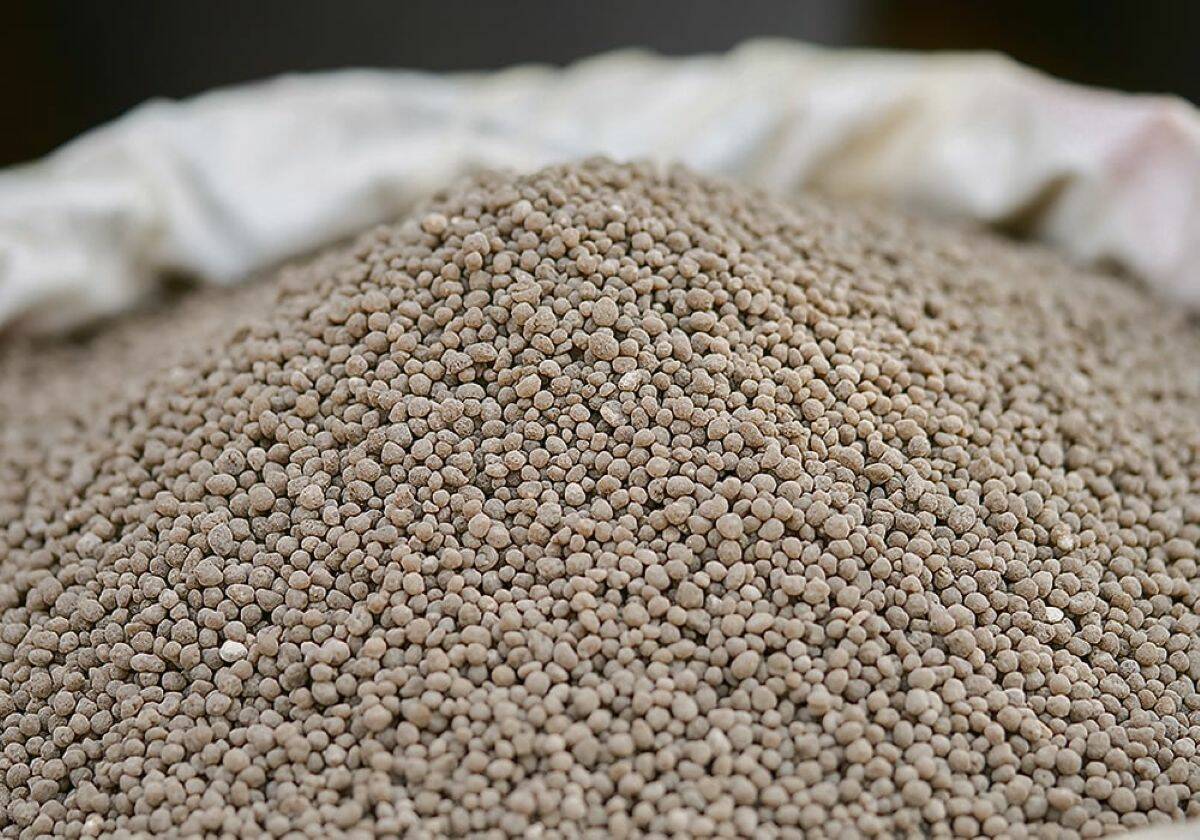
State-owned Moroccan phosphates and fertilizer producer OCP expects its output of soil nutrients to fall by about 30 per cent in the second quarter due to maintenance works.
“Soybean prices have become so unstable,” Gao lamented.
With the industry already hobbled by oversupply and weak consumer demand, “pig farming has become unprofitable,” he said. “Everyone is thinking about how to cut costs.”
Beijing moves to deploy new feed, technology
The grassroots fixation on overheads belies Beijing’s more strategic motivations: long‑term food security and increased self‑reliance.
The government sharply accelerated a drive to expand protein sources for livestock in March of last year, just as trade tensions ramped up early into President Donald Trump’s second term. Soybeans quickly became a key bargaining chip.
Reuters interviews with dozens of livestock and feed producers, state researchers and industry experts revealed Beijing is moving faster than previously thought to deploy new technologies and promote fermented feed.
It’s the agricultural equivalent of Beijing’s campaign to build domestic capabilities in microchips and artificial intelligence, catalyzed by Washington’s stringent controls on advanced technology exports to China.
In terms of agriculture, “the biggest national policy goal right now is soymeal reduction,” said Fu Zhenzhen, a feed analyst at Beijing Orient Agribusiness Consultants.
“The most direct reason for that is the trade war with the United States,” she said. “Fermentation is essential.”
Motivating farmers to switch
China is the world’s biggest buyer of soybeans, and imported $52.7 billion (C$73.3 billion) of the oilseed in 2024, $12 billion of which came from the U.S., the latest figures from the World Bank show.
Last year, inbound shipments increased 6.5 per cent from 2024 to a record 111.8 million metric tons, according to Chinese customs data.
Fermented feed currently accounts for eight per cent of industrial feed in China, up from three per cent in 2022, and is likely to hit 15 per cent by 2030, industry experts predict. That could help China cut soybean imports by up to 6.3 per cent from last year’s levels, according to Reuters calculations.
Pig farmers are just one piece of Beijing’s food security puzzle, albeit an important one, with pork a traditional staple of the Chinese diet — China is home to half the world’s pigs — and swine more dependent on soymeal than poultry or cattle.
Farms like Gao’s raise a third of livestock in China, the world’s biggest meat producer.
However, the switch to fermented feed requires a heavy commitment, often entailing the overhaul of entire feeding systems. Gao struggled initially, with feed growing mould and going to waste. Many farmers simply give up.
Beijing, characteristically, is leaving nothing to chance, offering incentives to every sector of the industry, and every link in the supply chain.
Targeting the entire supply chain
China’s Muyuan Foods, the world’s biggest pig farmer, has reduced soymeal in its feed from 10 per cent six years ago to 7.3 per cent now by using synthetic amino acids produced from fermented corn starch, Zhang Meng, director of the company’s feed division, told Reuters.
Agribusiness giant New Hope has developed soymeal-free chicken and duck feeds by fermenting duckweed and other cheap protein sources, according to people familiar with the matter. New Hope did not reply to a Reuters request for comment.
Working with the government, China’s two biggest dairy producers, Yili and Mengniu, have cut the amount of soymeal in cattle feed by 20 per cent, according to sources at the state-backed National Center of Technology Innovation for Dairy. Yili declined to comment, and Mengniu did not reply to a request for comment.
All of the figures on soymeal reduction are being reported for the first time.
China has also attracted foreign investment, with Dutch-based trading house Louis Dreyfus planning to build its first fermented feed production line in the northern port city of Tianjin.
“China is standing at the forefront of fermentation technology,” said Shambhu Nath Jha, principal consultant at Fact.MR.
The U.S.-headquartered consultancy estimates that the value of China’s fermented feed market vaulted to $6 billion (C$8.3 billion) last year, catching up fast on Europe’s leading but more mature market, worth $7 billion. The U.S. market, by contrast, is worth just $2.5 billion, because soybeans and corn are more readily available.
For poultry, China’s 25 per cent fermented feed adoption rate already surpasses Europe’s 20 per cent, according to Fact.MR.
Costs, complexity and taste
Beijing has momentum on its side: Pork prices at 16-year lows make any cost-reduction scheme an easy sell.
Where the fermentation pitch runs into problems is the lack of a standardized approach, analysts said.
Some argue that pigs mature more slowly if farmers simply ferment whatever food sources are available, and can be weaker to disease.
The ultimate test may be taste.
“There is so much demand from consumers for better quality meat, but the industry is just focused on reducing costs and doing what the government wants,” said Ian Lahiffe, an agriculture consultant in Beijing.
“There are a lot of benefits to feeding soybeans,” he said. “They need to think about how to avoid sacrificing animal health and meat flavour.”