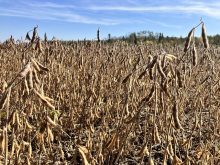

Buenos Aires | Reuters — Heavy rains during the weekend will be followed by a dry spell across much of Argentina’s grains belt, creating ideal growing conditions for the 2014-15 corn and soy crop, a local meteorologist said on Monday.
German Heinzenknecht, meteorologist with the (CCA) Applied Climatology Consultancy, said about 50 millimetres fell across the South American country’s main grains region, but was heavier in the northern reaches of Buenos Aires province.
“These rains are very timely because they replenish moisture in the soil just at the time the corn comes into flower,” Heinzenknecht said.
Read Also

Mosaic misses profit estimates on weak U.S. phosphate demand
Mosaic missed Wall Street expectations for fourth-quarter profit on Tuesday, hurt by a steep drop in U.S. phosphate fertilizer demand that weighed on sales volumes.
He added the extra moisture would also also favor soybean development, with almost half the crop already planted.
The Buenos Aires Grains Exchange forecasts 20.6 million hectares of soy and three million hectares of commercial-use corn will be sown and said soybean planting had covered 44.8 per cent of the expected sowing area by last Thursday.
Argentina is a major exporter of soybeans, wheat and corn, as well as the top world supplier of soymeal livestock feed.
No rains are forecast over the next few days, creating perfect growing conditions for corn. In some fringe areas, in central and western Cordoba province as well as the northwest of Argentina, soils are dry and need moisture, Heinzenknecht said.
— Reporting for Reuters by Maximilian Heath in Buenos Aires.