
Paris | Reuters — An unprecedented number of bird flu outbreaks among wild birds and their wide geographic spread are driving an early and strong wave of the disease in Europe this year, the European Food Safety Authority said on Thursday.
WHY IT MATTERS: Highly pathogenic avian influenza has led to the culling of hundreds of millions of farmed birds in recent years — including among many Canadian farms — disrupting food supplies and increasing prices.
Read Also

Bayer takes its multi-front battle on pesticide liability to Kansas
Kansas lawmakers were set to take up a bill on Tuesday backed by Bayer that would prevent people from suing pesticide manufacturers for not warning them that their products could cause cancer or other illnesses.
Outbreaks typically peak in autumn as migratory birds head south, but this season saw earlier cases, killing many wild birds, mainly common cranes along the German, French, and Spanish routes as well as a large number of waterfowl.
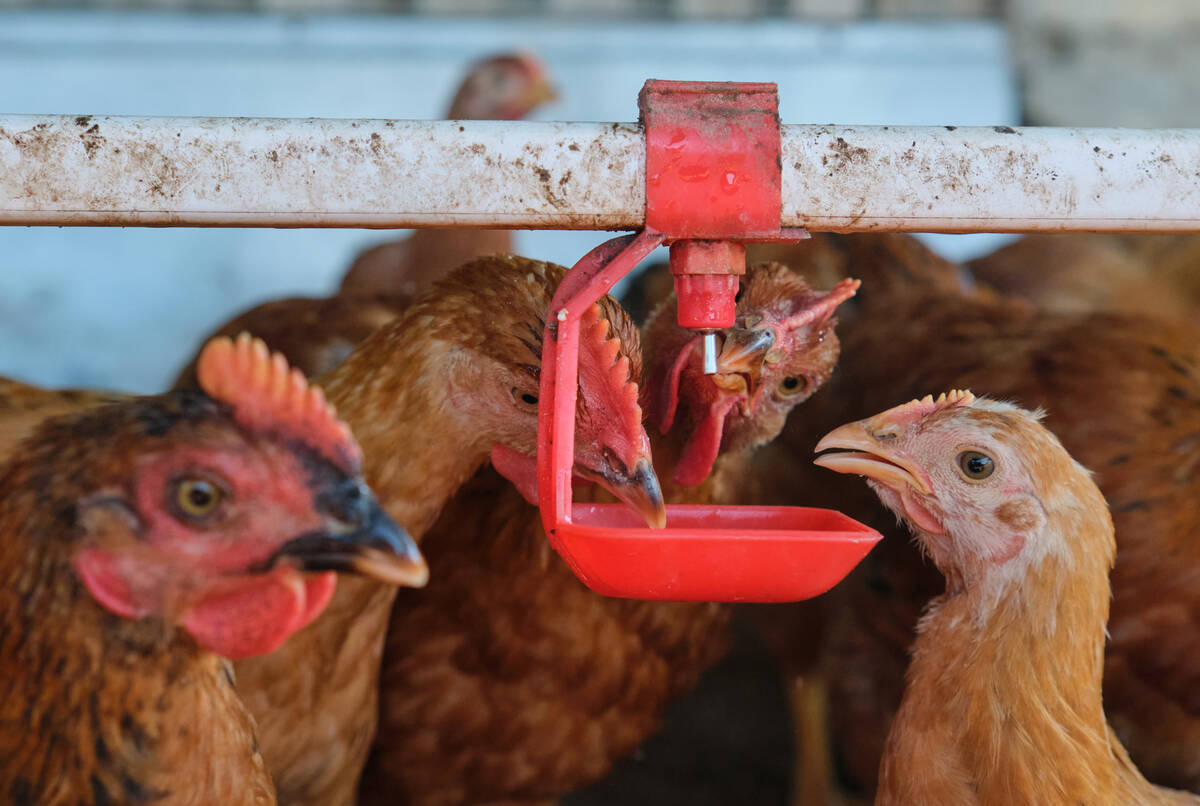
Between September 6 and November 28, 2,896 highly pathogenic avian influenza H5 virus detections – mostly H5N1 – were reported in domestic birds in 29 countries in Europe, with 442 in poultry and 2,454 in wild birds, EFSA said in a report.
“We are currently seeing an unprecedented sharp increase in the highly pathogenic avian influenza virus detections, mostly in wild birds,” Lisa Kohnle, scientific officer at EFSA, told Reuters.
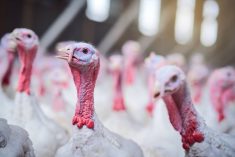
Poultry outbreak numbers were similar to previous years but five times higher than in 2023, and almost double those of 2021. Turkeys were the most affected.
“What is interesting for poultry is that in previous years those epidemics were characterised by a lot of farm-to-farm spread,” Kohnle said. “This year it seems we mostly have introduction from wild birds”.
For humans, bird flu infected 19 people in four countries (Cambodia, China, Mexico and the U.S.), killing one in Cambodia and one in the U.S, EFSA said. All cases involved exposure to poultry or poultry environments.
Bird flu outbreaks in mammals were fewer than in 2022 and 2023, but remain a concern due to potential mutations that would make it transmissible between humans.
Kohnle said detections were likely to keep rising, although high wild bird mortality could prompt tighter farm controls and help slow the virus’s spread.