

Reuters — A U.S. government weather forecaster on Thursday heightened its projections for the La Nina weather phenomenon to take place in the Northern Hemisphere later this year, on the heels of an El Nino likely to fade by early summer.
The Climate Prediction Center (CPC), an agency of the National Weather Service, in its monthly forecast pegged the chance of La Nina developing in the fall and winter 2016-17 at 75 per cent.
That follows a forecast last month for an increasing chance of La Nina in the second half of the year.
Read Also
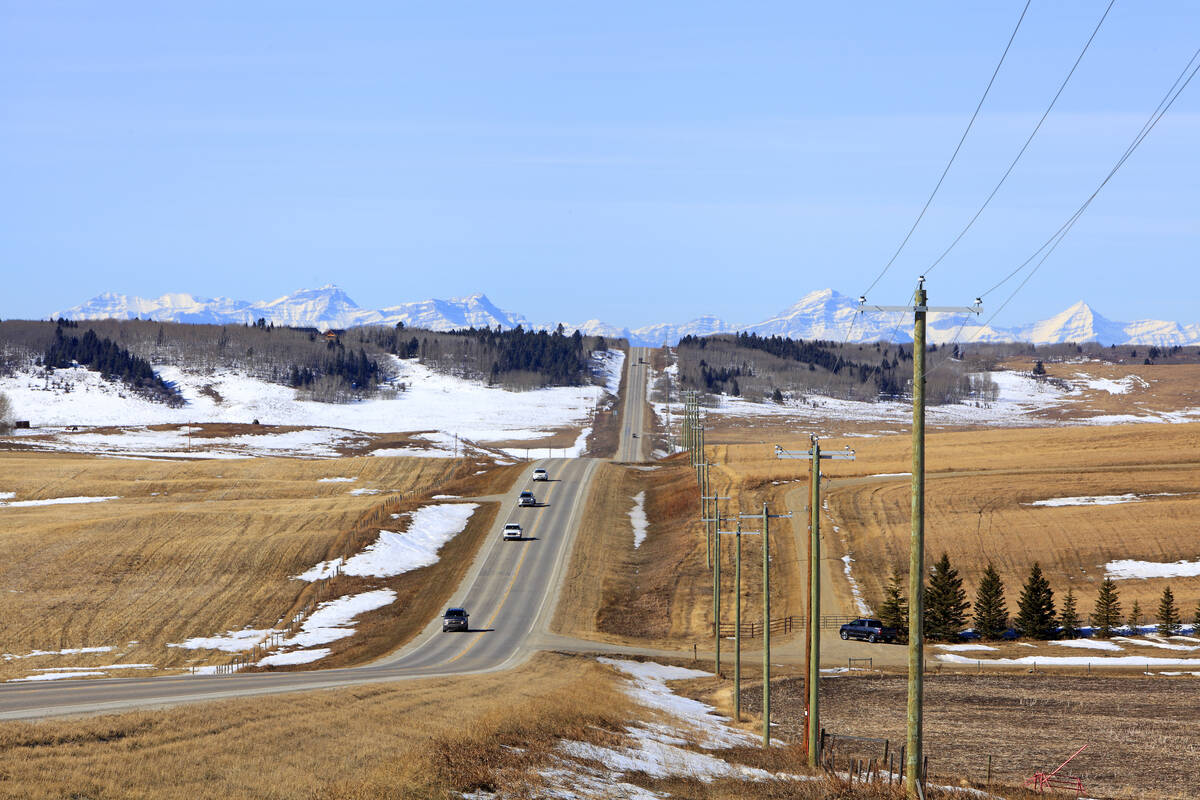
Prairie forecast: A north-south temperature split as spring struggles to move in
For Alberta, a cold front on Sunday and Monday could bring light snow, with a chance of more snow in the south. Saskatchewan and Manitoba can expect a mix of sun and cloud over the weekend with daytime highs ranging from -5°C to 0°C and light winds.
Japan’s meteorological agency said Thursday there was a high possibility that a La Nina weather pattern would emerge in summer after the current El Nino phenomenon ends, adding there was a high possibility the El Nino would finish before summer.
Australian forecasters earlier this week put the chance of a La Nina emerging in 2016 at 50 per cent.
La Nina, which is typically less damaging than El Nino, is characterized by unusually cold ocean temperatures in the equatorial Pacific Ocean. It tends to occur unpredictably every two to seven years.
In Canada, according to the federal environment department, a La Nina winter is often linked to above-average precipitation in British Columbia, Ontario and Quebec and colder-than-normal temperatures on the Prairies.
Where El Nino, a warming of sea-surface temperatures in the Pacific, can trigger drought in Southeast Asia and Australia and floods in South America, hitting production of key foods such as rice, wheat and sugar, La Nina is linked to wetter conditions over much of Australia and Southeast Asia.
— Reporting for Reuters by Chris Prentice and Osamu Tsukimori. Includes files from AGCanada.com Network staff.