
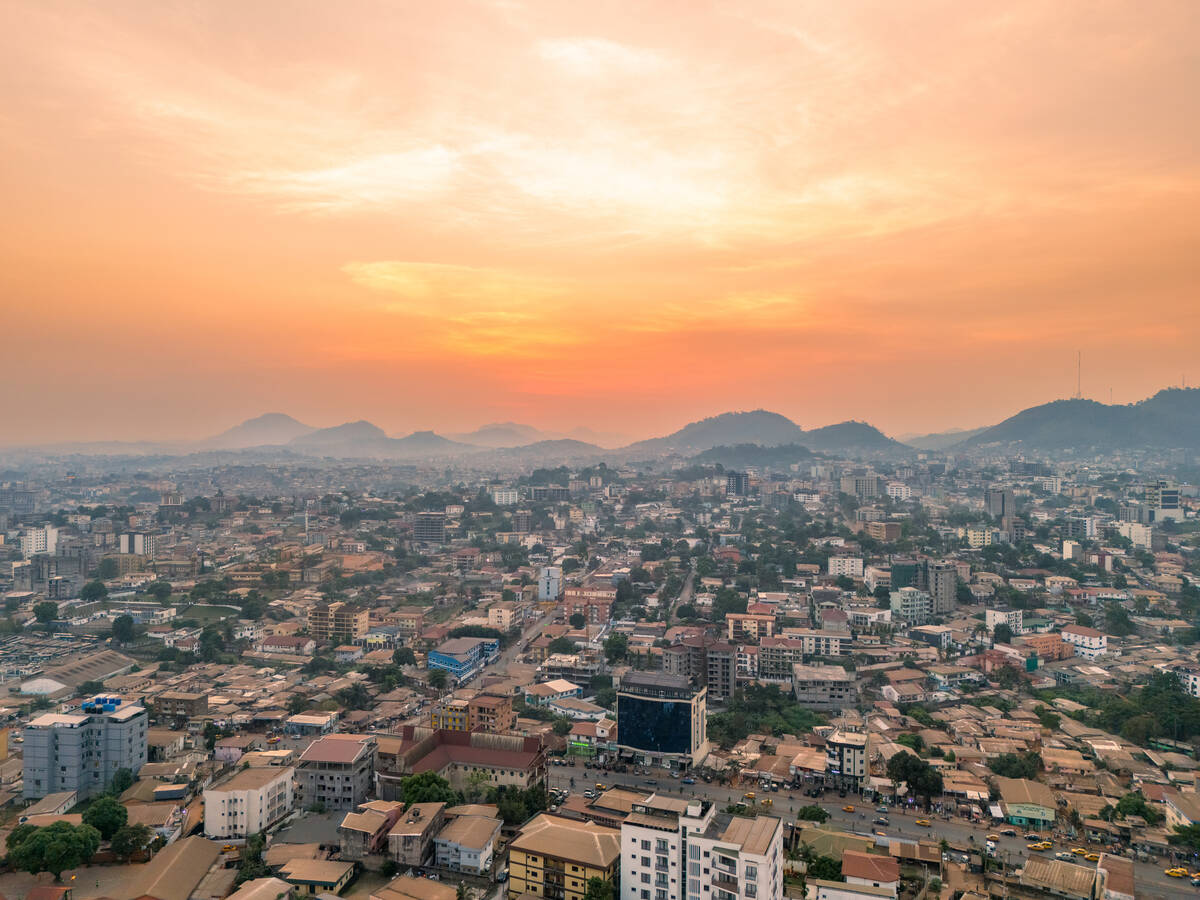
Yaounde | Reuters — World Trade Organization talks broke up on Monday with no agreement on a plan for reform, piling more pressure on the trade body that finds itself increasingly sidelined by economic nationalism.
The four-day ministerial talks in Cameroon’s capital Yaounde ended in the early hours with Brazil blocking a bid by the U.S. and others to prolong a moratorium on duties for electronic transmissions like digital downloads and streaming.
“It marks another crack in the foundations of the WTO system,” said Andrew Wilson, Deputy Secretary General of the International Chamber of Commerce, urging delegates to renew the moratorium before states hit digital services with new charges.
Read Also

New U.S. biofuel rules please canola industry
The U.S. EPA has greatly increased the blending mandate for biodiesel and renewable diesel for 2026 and 2027.
‘Major setback for global trade’
Expectations for progress had been low before the talks but there were hopes the moratorium – which has been regularly renewed since 1998 – would at least be extended.
That ultimately proved impossible. Trade ministers could not agree to extend it for more than two years, which was not enough for the United States, diplomats said.
U.S. officials and business groups voiced frustration, and Britain’s Business and Trade Secretary Peter Kyle called the failure to reach consensus a “major setback for global trade.”
The talks were deemed a test of the WTO’s relevance after a year of huge trade turmoil and more recent disruptions due to the U.S.-Israeli war on Iran.Still, a subset of 66 members did agree to sidestep previous hurdles to usher in the world’s first baseline deal on digital trade rules among participants.
Changes looked for
Prior to meetings, three items were expected to dominate talks wrote Jane Kelsey, an emeritus professor of law with the University of Auckland, in an article for the Conversation.
Those were:
- Decision making: reformers proposed a “responsible consensus” model rather than the current multilateral model, which gives all states an equal voice.
- Development and industrialization: this proposed to limit countries’ ability to define their own level of development, Kelsey wrote. “Special and differential treatment” would give them more time to adopt rules applied to more developed countries.
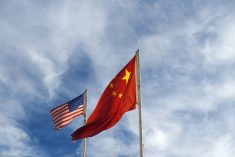
- Leveling the playing field: this was “essentially about China,” wrote Kelsey, which the U.S. says has gained an unfair advantage since joining the WTO. The U.S. wanted rules to restrict state support for industry and to limit application of “most-favoured-nation treatment.”
‘Spaghetti bowl’
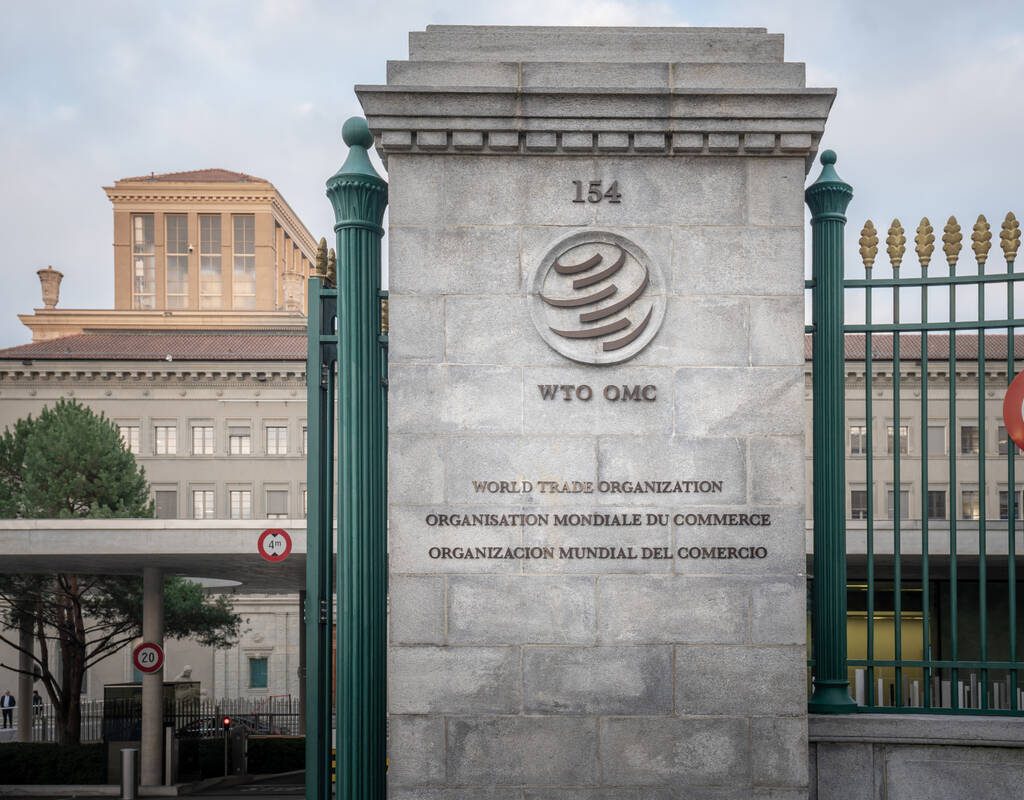
Efforts to rebuild the WTO’s predictable trade terms are creating “a spaghetti bowl of free trade agreements, bilateral initiatives, and plurilaterals,” said Dmitry Grozoubinski, executive director of the Geneva Trade Platform think tank.
Agreeing on an e-commerce moratorium was seen as key to securing U.S support for the WTO, which under President Donald Trump has retreated from global multilateral bodies.
WTO Director-General Ngozi Okonjo-Iweala said the trade body hoped the moratorium could be restored and that Brazil and the U.S. were trying to reach agreement on it.
The WTO said progress was made on a reform roadmap, and discussions on issues like reworking its rules to render subsidy use more transparent and facilitate decision-making are expected to continue in Geneva.
The U.S. and the European Union argue China in particular has taken advantage of current rules to their detriment.
Impasse could boost CPTPP
Diplomats worked throughout Sunday to close the gap between Brazil’s initial two-year proposal on the moratorium and the U.S., which wanted a permanent extension, by drafting a plan for a four-year extension with a one-year sunset buffer.
Brazil then offered a four-year extension with a mid-term review clause, but it lacked sufficient support.
Keith Rockwell, a trade analyst at the Hinrich Foundation and former WTO director, said Brazil’s efforts to leverage e-commerce for concessions on agriculture had failed because the U.S. was no longer so invested in the WTO.
“In the old days because they felt responsibility for the system the Americans would have swallowed hard and taken a hit,” he said. “But now they won’t do that anymore.”
He said the impasse would boost alternative structures like the Comprehensive and Progressive Agreement for Trans-Pacific Partnership, a trade deal encompassing 12 countries including Japan, Britain, Canada, Mexico and Australia – but not the U.S.
“Now what you’re going to see is a lot more energy and momentum into things like the CPTPP,” Rockwell said.
— Additional reporting by Emma Farge in Geneva