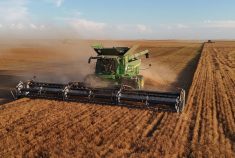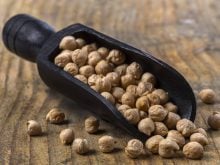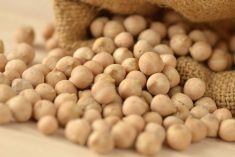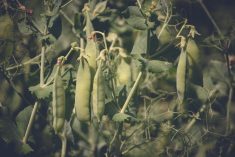


Saskatchewan’s chickpea crop hasn’t been exempt from this season’s challenging harvest conditions. As of Oct. 21, 20 per cent of the province’s chickpea crop was unharvested. What still remains on the field will likely be feed quality at this point.
Colin Young of Midwest Grain Ltd. in Moose Jaw, Sask. explained that some chickpea fields have weathered various storms well, and have maintained quality levels fit for human consumption. However, other chickpea fields “sat through the exact same rain in the exact same region” and significantly suffered quality-wise.
Read Also

U.S. finalizes biofuel blending quotas for 2026-27, cuts RINS for foreign feedstocks
The Trump administration on Friday finalized new biofuel blending volumes mandates for the U.S. oil refiners, requiring more of the fuels made from corn and other agricultural products than initially proposed,in an apparent win for U.S. farmers.
“There’s not any rhyme or reason to it,” he said.
Since a portion of the chickpea crop has downgraded in quality significantly, supply for feed-quality chickpeas has increased to the point that prices have been pushed down. Currently, feed grade chickpeas are around 10 cents per pound.
“With the huge supplies of low grade and feed grade commodities, especially pulses, those prices have been pressured down,” said Young.
However, #2 grade chickpeas have increased by about four cents, to 24 cents per pound.
Young said some producers have pulled out of their pulse crops in favour of harvesting their grain fields, due to the supply glut of feed-quality chickpeas driving down the price in comparison to other commodities.
“With the market being low and damage having done what it did, that’s a new phenomenon for this year,” he said.
“I don’t want to say that all producers are letting their chickpeas rot in the field, but in years past [producers] have prioritized pulses.”