
Winnipeg | MarketsFarm – Pulse crops across the prairies have largely bounced back after rough growing conditions in the spring and early summer, but they’re not out of the woods just yet.
“It’s been an abnormal year,” remarked Carl Potts, executive director of Saskatchewan Pulse.
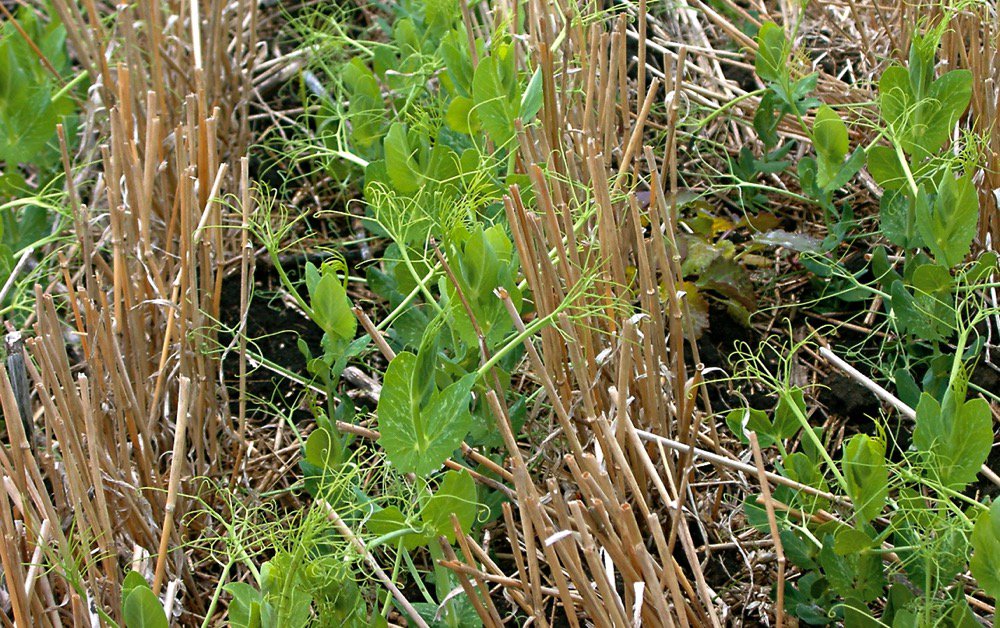
Potts explained that in Saskatchewan, widespread dryness early in the growing season resulted in delayed emergence and development. However, welcome rains throughout July have improved conditions significantly.
“Across the province, we’ll likely be expecting average yields for pulses,” he said.
Read Also

U.S. finalizes biofuel blending quotas for 2026-27, cuts RINS for foreign feedstocks
The Trump administration on Friday finalized new biofuel blending volumes mandates for the U.S. oil refiners, requiring more of the fuels made from corn and other agricultural products than initially proposed,in an apparent win for U.S. farmers.
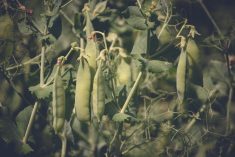
Unseasonable temperatures have resulted in differences in crop maturity and development within a field. In some cases, a field can have both emerging and developing crops, depending on the area.
“Within a field there can be a fair bit of difference in crop development,” said Potts.
“That’s been a concern.”
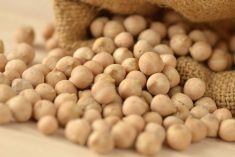
Some crops are a few weeks behind the normal rate of development, sparking concerns of requiring a longer growing period that may not sync up with inclement fall weather. In particular, duli chickpeas require a longer growing period.
“We could run into an issue with fall weather, if we were to have an early frost or rain at harvest, that could impact crops as well,” said Potts.