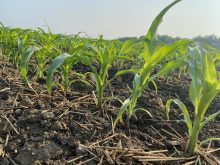


Reuters — A storm front should bring moderate to abundant rainfall across most of Argentina’s key agricultural area over the next week, the Buenos Aires grains exchange said on Thursday, which could help farmers plant their fields after a historic drought.
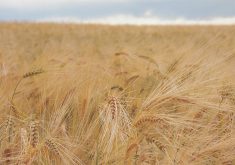
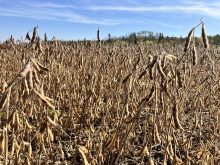
Lack of rainfall in Argentina, the world’s largest exporter of soybean oil and meal and the third-largest exporter of corn, has slowed planting of its current soybean and corn crops and nearly halved the country’s wheat output.
According to the exchange, most of Argentina’s agricultural zone, as well as that of neighbouring Uruguay, should between Jan. 19 and Jan. 25 see “moderate to very abundant” rains of 10-75 millimetres.
Read Also
Canola, U.S. soybean crushes expanding
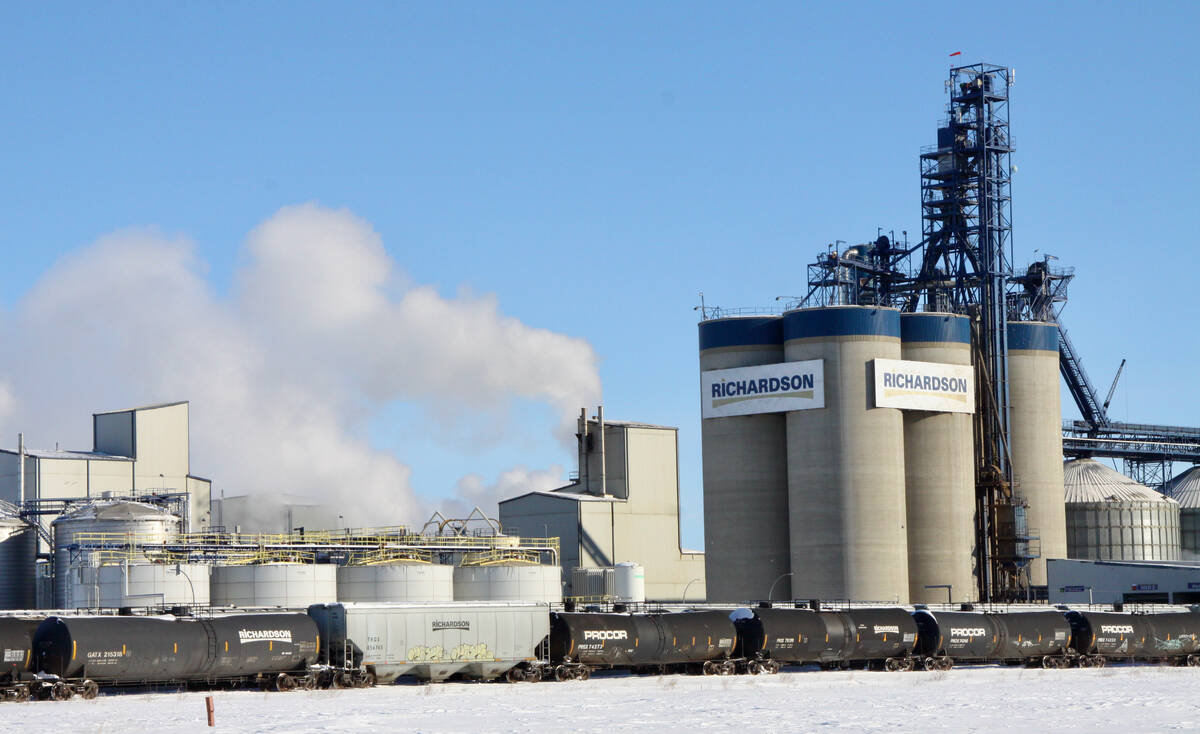
In calendar year 2025, the canola crushes in Canada and the United States remained above their respective five-year averages, Statistics Canada reported on March 13. While the U.S. soybean crush continued to expand, StatCan didn’t include any soybean crush data for 2025 due to confidentiality requirements under the Statistics Act.
Over the northwest of Argentina’s Salta province and most of nearby Jujuy, the exchange forecast severe storms bringing down than 150 mm of rain.
The centre-north of the region, however, spanning most of Paraguay and the Chaco region should receive little to no rain, it added, as hot tropical winds blow across this region as well as a large part of Argentina’s Pampas and eastern Uruguay.
On Wednesday, Argentina’s agriculture ministry predicted rains across the centre and north of the country from the second half of January, but said it was still to early to make estimates on future planting areas.
The ministry said it would need at least a month before it could perform an analysis.
— Reporting for Reuters by Sarah Morland.