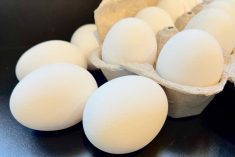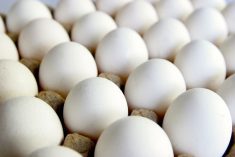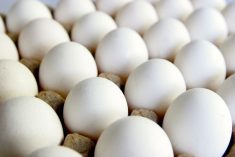

Reuters — Sandwich chain Subway said it would stop using eggs laid by caged hens in its North American outlets by 2025, joining a number of companies that are going cage-free amid pressure from consumers and animal-rights groups.
Subway, which already serves eggs laid by free-range hens at its outlets in Europe and eggs laid by cage-free hens in Australia, said it has already begun using such eggs in select areas in the U.S. and Canada.
The restaurant chain, owned by Doctors Associates Inc., has more than 30,000 outlets in North America.
Read Also
Brazil soybean planting outlook hinges on Middle East war, says Agroconsult
Brazil’s soybean planting area is expected to remain stable in the upcoming 2026/27 season, but the scenario depends heavily on how long the U.S.-Israeli war on Iran lasts, agribusiness consultancy Agroconsult said on Wednesday.
The decision comes at a time when the food industry is under pressure from groups including the Humane Society of the United States, Mercy for Animals and World Animal Protection, which have successfully lobbied many companies to adopt animal welfare practices.
Both General Mills and Kellogg said earlier this year they will source 100 per cent cage-free eggs by 2025.
Fast-food companies have made similar announcements. McDonald’s said in September that its 16,000 U.S. and Canadian restaurants would serve only eggs laid by cage-free chickens within 10 years, while rival Burger King has committed to using such eggs by 2017.
Starbucks said in October that it would also make the switch in North America within five years.
Subway’s recent policy changes in livestock sourcing also included a pledge to serve only proteins from antibiotic-free sources in the U.S. by 2025.
In its release Monday, the company said it “continues to monitor layer hen housing research to identify future, best-practice menu and ingredient solutions that meet the highest standards of animal welfare.”
— Reporting for Reuters by Ramkumar Iyer in Bangalore. Includes files from AGCanada.com Network staff.