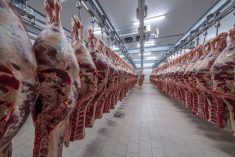

Washington | Reuters — Tyson Foods has agreed to pay $82.5 million (C$113.3 million) to settle a proposed class-action lawsuit brought by grocers and other businesses that accused the meat and poultry giant of conspiring to inflate U.S. beef prices by restricting supply.
The proposed settlement in the federal lawsuit was disclosed on Wednesday in the U.S. District Court for the District of Minnesota.
Lawyers for the plaintiffs — grocery stores, food distributors and other businesses that bought beef products directly from Tyson — said in the filing that they are working on a final settlement agreement to present to a judge for approval.
Read Also

New strategies needed for Canadian agriculture to stand out in global trade
Canada may need new strategies to stand out as issues like tariffs, conflict in the Middle East and loss of faith in the World Trade Organization changing the face of global trade.
Tyson, and the attorneys for the beef purchasers did not immediately respond to requests for comment.
The buyers had accused Tyson and several other major beef producers of conspiring to charge inflated prices for retail sale-ready consumer cuts or edible boxed beef between 2015 and 2022.
The plaintiffs include Pennsylvania-based Redner’s Markets and Mississippi-based R&D Marketing.
Lawyers for the plaintiffs estimated thousands of so-called direct purchasers are part of the proposed class.
The Tyson accord is the second for the direct purchasers, after JBS USA agreed to pay $52.5 million. The company denied any wrongdoing in agreeing to the deal, which was approved by a judge in 2022.
Tyson and JBS are the two largest defendants. Two remaining defendants, Cargill and National Beef, did not immediately respond to requests for comment.
Arkansas-based Tyson, the largest U.S. meat company, settled related price-fixing claims from consumers in the beef litigation for $55 million.
Tyson also separately agreed this year to pay $85 million to settle a proposed consumer class-action accusing it of conspiring with rivals to inflate pork prices.