Chicago | Reuters—Chicago corn futures fell on Thursday as beneficial weather patterns moved through growing areas, analysts said.
Cheap South American crops also weighed on U.S. commodity prices.
The most active corn contract Cv1 on the Chicago Board of Trade (CBOT) fell 4 cents to $4.47 per bushel.
Most active soybeans Sv1 settled up 3-1/4 cents at $10.51-3/4 a bushel.
Drier weather is expected across the central U.S. through the weekend, but widespread rain is forecast for the six to 10-day period, according to Commodity Weather Group.
Read Also
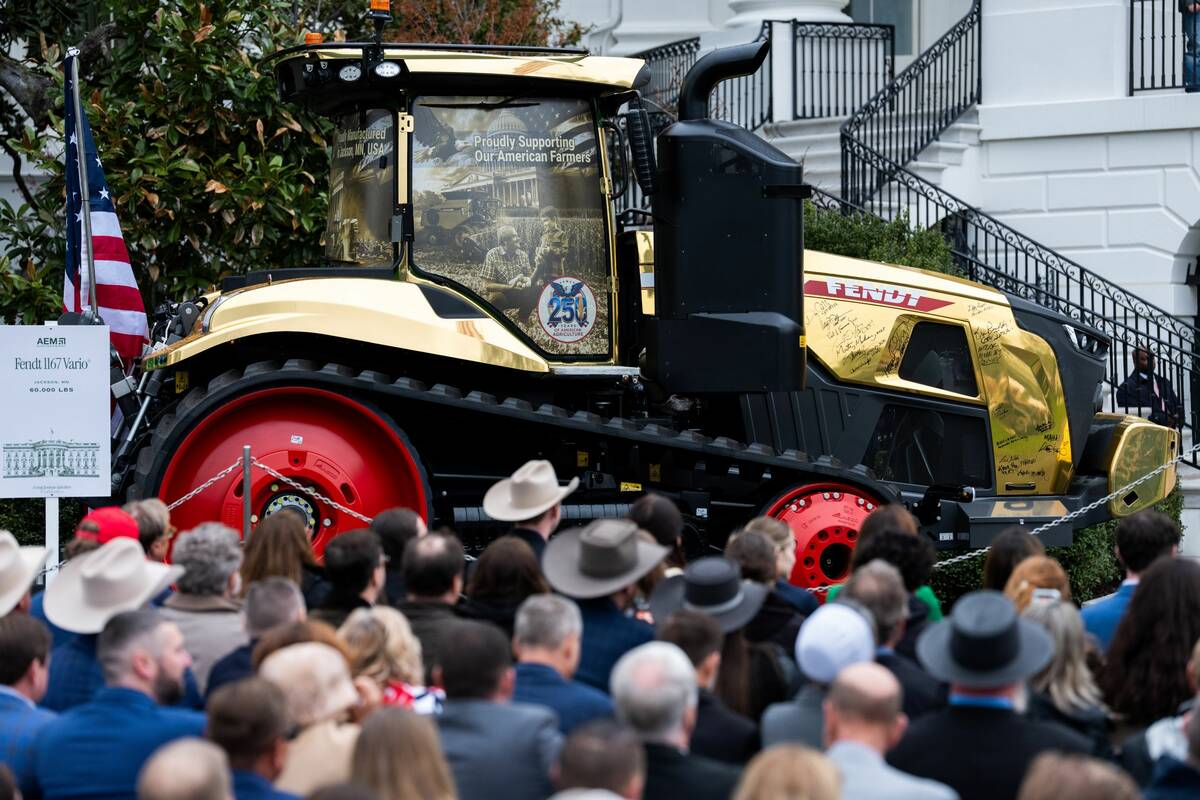
Trump tells farmers that tractor companies should lower prices
U.S. President Donald Trump announced new measures on Friday to support U.S. farmers who are reeling from the administration’s trade policies and the Iran war and suggested farm equipment makers cut prices
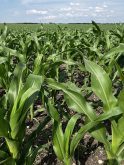
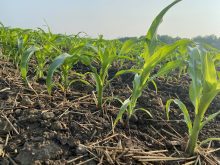
A benign mix of rain and sun in store for the corn crop in the coming weeks pressured futures on Thursday, said Randy Place, analyst at the Hightower Report.
“We are starting to see that South American prices are undercutting U.S. corn export prices now that Argentina’s harvest is moving forward and Brazil’s safrinha crop harvest is just now starting,” Place said.
U.S. weather also weighed on soybean futures.
Wheat futures firmed slightly on Thursday, with rains forecast for the U.S. Plains offsetting support from lower-than-expected U.S. Department of Agriculture crop ratings earlier in the week, Place said.
Most active wheat Wv1 rose 3-3/4 cents to $5.34 a bushel.
The U.S. dollar turned lower on Thursday, giving wheat a lift as investors monitored U.S. President Donald Trump’s appeal of a U.S. trade court decision on Wednesday that blocked most of his proposed tariffs. An appeals court had reinstated the most sweeping tariffs as of Thursday afternoon after trading ended.
A weaker dollar makes U.S. farm exports more competitive for buyers with other currencies.
“There’s such uncertainty on trade that the market can’t really get moving in either direction very far,” Place said.
—Additional reporting by Nigel Hunt in London and Peter Hobson in Canberra