

Chicago | Reuters—Chicago soybean futures dropped on Monday on expectations for a hefty South American crop, while corn futures rose as traders anticipated world supply and demand estimates from the U.S. Department of Agriculture will show smaller U.S. stockpiles.
Wheat rose on technical support, following corn, as the market assessed the size of the Russian crop, according to analysts.
Chicago Board of Trade most-active soybeans Sv1 ended down 3-3/4 cents at $9.90 a bushel. Corn Cv1 ended 1-3/4 cents higher at $4.41-3/4 a bushel, while wheat Wv1 settled up 1-1/2 cents at $5.58-3/4 a bushel.
Read Also
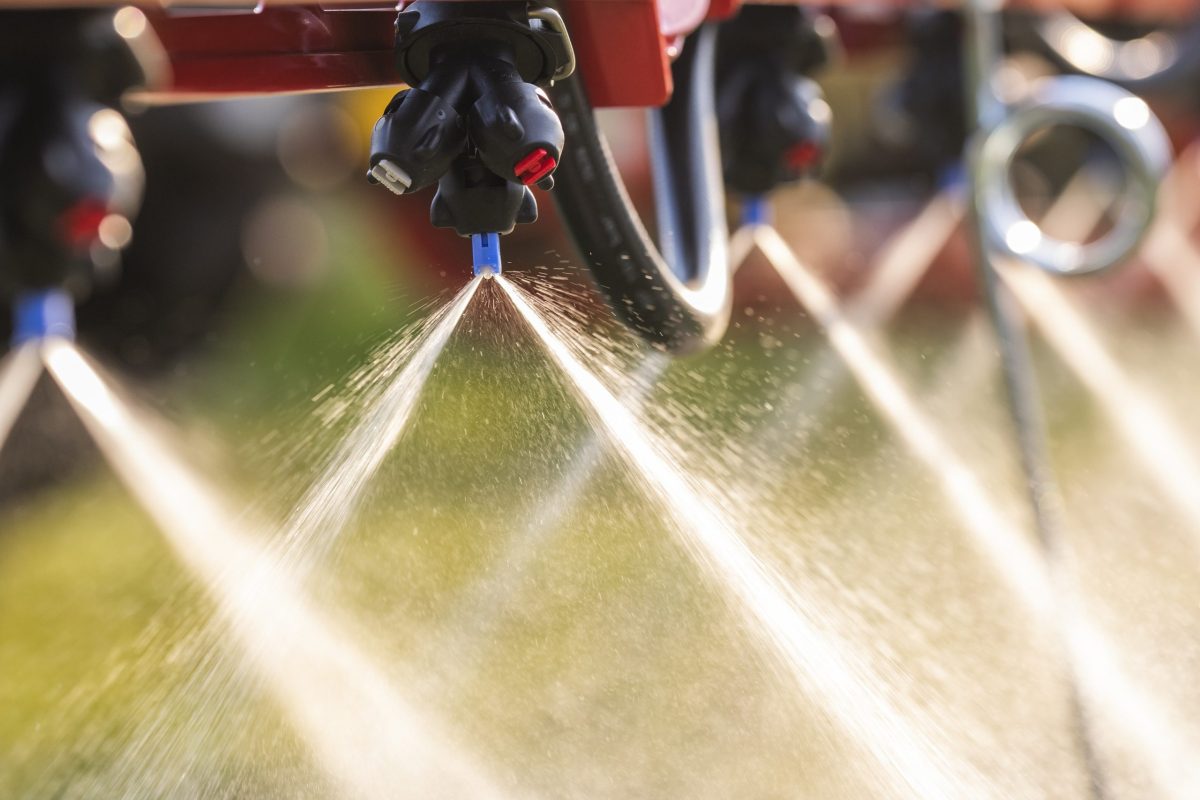
Bayer takes its multi-front battle on pesticide liability to Kansas
Kansas lawmakers were set to take up a bill on Tuesday backed by Bayer that would prevent people from suing pesticide manufacturers for not warning them that their products could cause cancer or other illnesses.
Analysts expect the monthly USDA supply and demand report, due on Tuesday, to raise numbers for the Brazilian soybean crop after a period of beneficial rains.
“The weather looks really good down there,” said Jim McCormick, founding partner at AgMarket.Net.
Widespread rains in Brazil are expected to continue improving moisture in the coming week for soybean growth, according to Maxar, with southwestern Mato Grosso do Sul, eastern Sao Paulo, Minas Gerais, and southeastern and northwestern Mato Grosso seeing the most benefit.
McCormick said support in corn futures came from the expectation that the USDA would cut U.S. season-ending stocks because of rising ethanol and export demand.
Wheat found support in a technical bounce, said McCormick, as well as conflicting reports on the Russian crop.
Analysts said last week that data showed the share of winter crops in Russia that are in poor condition or have not sprouted is at more than 37 per cent—an unprecedented level.
But on Monday, analysts from Russian consultancy Sovecon said the condition may not be as bad as the data indicated, with crops sprouting later because of climate change.
“There’s a lot of debate on the size of the crop coming out of Russia,” said McCormick.
—Additional reporting by Michael Hogan in Hamburg and Peter Hobson in Canberra