


Chicago | Reuters — Chicago Board of Trade corn, soybean and wheat futures weakened on Friday on renewed worries that trade disputes could hurt demand for U.S. farm products, analysts said.
U.S. President Donald Trump said he will announce reciprocal tariffs on many countries next week, confirming a report by Reuters. Grain traders worry the duties may spark retaliation from importers that would dent U.S. crop sales.
“Any type of moves like this may have a little pushback in some ways against the U.S.,” said Rich Nelson, chief strategist at commodity brokerage Allendale. “Certainly, from a psychological basis, any evolving tariff is a question.”
Read Also
Crude price may have topped says analyst
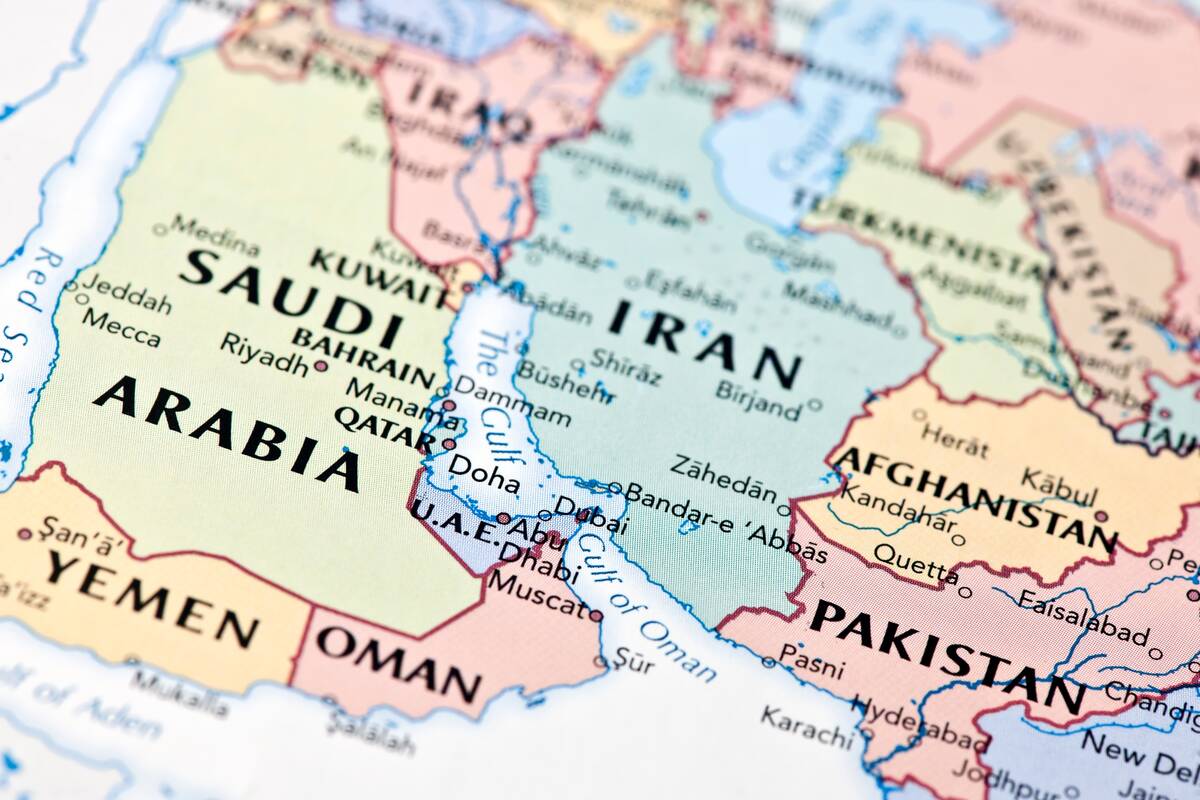
Any chance of crude oil prices skyrocketing higher became less likely on March 9, said Phil Flynn, senior market analyst at the Price Futures Group in Chicago. Flynn based that on the assumption that Iran’s military capabilities are declining quickly.
Trump announced tariffs of 25 per cent on Canada and Mexico on Saturday but delayed them after a negative reaction from investors. U.S. levies against China drew a measured response from Beijing that did not include tariffs on crops in a relief for grain traders.
Most-active CBOT March corn futures ended down 7-3/4 cents at $4.87-1/2 a bushel but remained close to a 15-month peak of $4.98-1/2 reached on Wednesday.
Soybean futures fell 11 cents in the March contract to $10.49-1/2 a bushel after rising on Wednesday to a six-month peak of $10.79-3/4. March wheat finished 5 cents weaker at $5.82-3/4 a bushel, down from a 3-1/2 month high of $5.92-1/2.
There was a “risk off” mentality in the markets ahead of the weekend and following recent gains, traders said.
Improved rains in Argentina helped pressure prices after hot, dry weather in January, they said. Showers this week delivered the country’s soy crop “from the inferno,” according to the Rosario grains exchange.
Argentina is the world’s biggest exporter of soymeal and soyoil and No. 3 corn exporter.
Traders also kept an eye on cold weather in Russia, the world’s biggest wheat exporter, due to concerns about potential damage to its crop.
On Tuesday, the U.S. Department of Agriculture is slated to update global supply and demand estimates in a monthly report. Global wheat imports are likely to drop this year.