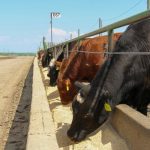


Chicago | Reuters — Cattle futures jumped at the Chicago Mercantile Exchange on Wednesday, bouncing off June lows hit this week on larger-than-expected U.S. supply numbers.
Futures prices collapsed on Monday after the U.S. Department of Agriculture, in a report issued after markets closed on Friday, said that producers placed more cattle than expected into U.S. feedlots in September.
Read Also

Bayer takes its multi-front battle on pesticide liability to Kansas
Kansas lawmakers were set to take up a bill on Tuesday backed by Bayer that would prevent people from suing pesticide manufacturers for not warning them that their products could cause cancer or other illnesses.
“Monday’s washout was probably a bit overdone,” said Matt Wiegand, commodity broker for FuturesOne.
CME December live cattle settled up 0.8 cent at 179.425 cents/lb. on Wednesday. February live cattle finished 0.65 cent stronger at 181.5 cents/lb.
January feeder cattle rose 1.7 cents to 236.55 cents/lb.
Large placements of cattle in September surprised some analysts because U.S. cattle inventories have dropped to their lowest levels in decades after drought raised costs for feed.
But Friday’s data indicates the U.S. could eventually be headed for tighter cattle supplies and higher prices because producers are not yet holding back heifers from feedlots and slaughtering, analysts said. Retaining heifers would allow them to reproduce to rebuild the U.S. herd, they said.
“If we’re not retaining heifers, that could leave us even tighter on the back end,” Wiegand said.
In CME’s lean hog market, February and April futures set contract lows for the fourth consecutive day before settling higher. The market was oversold, analysts said.
Most-active December hogs edged up 1.125 cents to finish at 67.5 cents/lb. after hitting a contract low on Friday.
The U.S. Department of Agriculture estimated average hog weights were 285.2 lbs. in Iowa and southern Minnesota in the week ended Oct. 21, up from 283.5 lbs. a week earlier.
Separately, USDA said frozen pork supplies at the end of September were 14 per cent lower than a year earlier, while stocks of pork bellies were down 19 per cent.
On Thursday, traders will review weekly U.S. pork and beef export sales data.
— Tom Polansek reports on agriculture and ag commodities for Reuters from Chicago.